A delicate matter …

Imagine being a 14 year old girl heading off to school with your menstrual period and not having a clean place to tend to your sanitary needs – or any money to buy sanitary towels for protection. This is the dilemma faced by young African women have no money for the luxury of sanitary pads.

Young African women have enough to contend with but when I visit African schools, the female students are quite vocal about this disadvantage. Schools recognize that girls miss a few days each month because they have no means of dealing with the problems caused by menstruation. This slows their ability to achieve at school and causes them to fall behind the boys.

Sanitary pads are expensive. Particularly if you are barely getting by with other school expenses or even food. In some communities there are initiatives for producing reusable, washable sanitary towels but even this requires a private place to look after your needs which is often not available.

The women at St Mark’s Church in Barriefield, Ontario heard about this problem at one of the schools that has been supported by the CanAssist African Relief Trust for the past few years. Provision of ongoing supplies and consumables is not within the mandate of CanAssist so we approached this Anglican Church Women’s Group for help. And they responded.

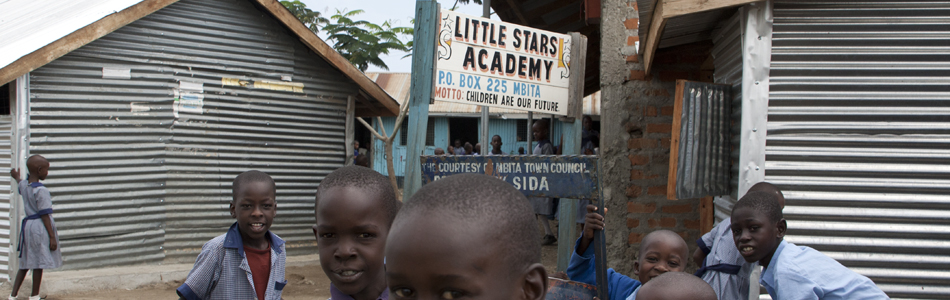
The ACW at St Mark’s have been providing funds to purchase sanitary towels and undergarments for the young girls at Kanyala Little Stars School for the past 18 months. And the reward has been better attendance from the girls who now can match the boys in academics. One young woman even got top marks for the region in the last set of standardized exams before secondary school.

Another Kingston couple came forward with a donation to CanAssist to build construct improved latrines and washing areas for the girls. What an improvement!

This problem is huge. But I commend the women at St Mark’s who have determined that they will help the young girls at Kanyala Little Stars with this somewhat delicate problem.

The school is running low on supplies and the St Mark’s ACW will be looking to send another $450 to help for the next few months. In order to keep this ongoing, I’m sure they would welcome a $10 from other Canadian women (or men) who would like to contribute.

Next time you see me, pass me $10 and I will be glad to send it on to the St Mark’s ACW and thence to the Kenyan young women. Evelyn Bowering (ebowering@cogeco.ca)would also be happy to be the intermediary to help bolster the ACW funds to keep this program going.

ACW friends
To quote Mama Benta “I have to congratulate those Anglican girls. They are good ladies!”

Sanitation improvements on Rusinga Island

Rusinga Island, on the shore of Lake Victoria, is off the beaten path for development and in a very poor region of Nyanza Province, Kenya. The people in lakeshore beach villages rely on fishing for their meagre incomes and the population of the villages fluctuates with the season. Declining fish stocks in Lake Victoria and lowering sale prices for their catch has made living conditions difficult for these people.

Kaswanga Beach - Rusinga Island, Kenya

Kaswanga Beach – Rusinga Island, Kenya

The CanAssist African Relief Trust has been looking to improve sanitation in four of these lakeside commnities. The villages may have a population of between 100 and 400 inhabitants throughout the year and have had no toilets or washing facilities. Bathing has been done in the lake where there was no privacy and near the same region where household water was drawn for both cleaning and even drinking. The fields near the village were makeshift night toilets and became both contaminated and a health hazard. When it rained, fecal contamination was washed into the lake close to the bathing/water retrieval areas. This, of course, provided a significant health hazard for diarrheal diseases like typhoid and cholera.

CanAssist has been working through the Badilisha Ecovillage Foundation on the island to improve this situation.

VIP (Ventilated Improved Pit) latrines and a washing room at the Kaswanga Beach community.

VIP (Ventilated Improved Pit) latrines and a washing room at the Kaswanga Beach community.

We  built latrines at four of these villages around the island. Although four stalls may not really seem adequate to serve the population of the village, these are four more than zero and the communities are grateful for their addition. The fields adjacent to the villages are much cleaner. Fecal contamination no longer is washed into the lake near the village where water for drinking, washing and cleaning is gathered.

The communities have also asked for washing facilities so that they can have some privacy when cleaning themselves and also discourage contamination of their water supply with detergents and soaps. Last year, assisted by a specific donation from the Mission Committee of St.Peter’s Cathedral in London, Ontario, CanAssist built two washing rooms with cement floors, four private stalls with doors and drainage into a grey-water underground pit.

I visited the Kaswanga Village in February (see the movie trailer here! and was assured that these improvements, which may seem rudimentary and even crude to the North American reader, were making a grand difference to the people who live there.

The treasurer of the Beach Management Unit smiled and added ” If we could get a water pump to bring water from the lake to a raised tank near the washing facility it would be warmed in the sun and we could have warm showers.”

Some things that we just take for granted are deemed luxuries to many African villagers.

Voters queueing to cast ballot in Nairobi this morning.

According to news reports people in Kenya started lining up in the middle of the night to vote. They blew whistles and horns to rouse everyone to get out to vote and lined up in long, long lines waiting for the polls to open. This is an historic vote for Kenya, both in terms of the outcome and the aftermath. I am following reports on Twitter to get a sense of it.

Here is a photo posted on Twitter of a bird’s view of voters queueing to cast ballot in Nairobi’s Eastlands.

And here is another posted on Twitter of people lined up to vote. Incredible.

Would Canadians queue like this to vote?

Kenya Elections

Kenya is having a very important election on March 4, 2013.  Not only will the outcome of the election determine the course that the country takes in the next four years, it will test if  fair, democratic elections, free of tribal antagonism  can happen in Kenya.  Last time it was a disaster.  I do hope that this election is free of corruption and tribal violence.

This is a copy of an article that I wrote for the Kingston Whig Standard when I was in Kenya last month. It was published on Saturday February 23.

Kenya goes to the polls on March 4 and throughout the. country there is an air of anticipation and some angst.  After the last general election in December 2007, allegations of rigging and unfairness led to two months of tribal turmoil that left about 1500 dead and many people displaced.

Traditionally, political parties in Kenya have been organized with tribal affiliations.  There are over 40 tribes in Kenya, each with their own customs and language. Three of these make up the majority of the population and since the country got independence in the early 1960’s governments have been predominantly formed by these.  In a culture where nepotism and rewarding friends is common, this meant that many people were left disadvantaged because they had no effective political representation.

But this is changing.  The ruling President, Mwai Kibaki, has had his share of corruption scandals and improper political manipulations but the freedom of speech and right to protest that was introduced when he was elected in 2003 is remarkably different from the preceding regimes of Moi and Kenyatta.  Under their rule, dissenting views were not permitted and perpetrators were punished and even tortured.

 The resulting opening-up of the press and media and the ability for people to freely challenge or express opposing views has allowed Kenyans to participate more openly in the process. Last week, an historic open debate between the 8 Presidential hopefuls took place. Kenyans throughout the country were glued to their radios or looked to find televisions to witness their leaders actually debate policy rather than just face off like power mongers.  This sort of open contest of ideals has never happened here before. It symbolizes progress.

After the last election, some Kenyan leaders were indicted to go to The Hague on charges of crimes against humanity resulting from their alleged inciting of the 2008 post election violence.  In a peculiar twist, two of these men, whose followers in 2007-8 were in violent opposition to each other, have united into one party and are seeking the posts of President and Vice President.  Although this seems a strange alliance, there are many who support their party because of their tribal allegiances.  On the positive side,  the uniting of these two opposing groups into one party will likely dramatically dilute the risk of violent post-election conflicts this round. On the down side, if they are elected it may provide some strain on international relations.

Another hopeful sign of democratic progress occurred last month when party nominations were held.  Because there is an almost assured win for some parties in different constituencies, and because new alignments of parties and tribes have happened since the last government was formed, the competition to get the nomination certificate was fierce.  In some regions, winners were announced that clearly were the result of unfair practices or rigging of the voting process.  This led to protests in many areas and although these were sometimes rowdy, they did not lead to violence.

And what is even more encouraging, in many locations, the nominations that were announced with corrupt support were revoked and the candidates preferred by the people through a legitimate voting process were installed.  Many established Members of Parliament lost their positions and thereby their power to control. 

In one city there was great celebration as the corrupt nominations were overturned and a joyful parade ensued, people singing and waving tree branches in a symbol of peace.

Kenya is a young democracy. Canadian confederation occurred in 1867 and one has only to look at the Robocall scandal in 2011 go know that we still have some problems with our elections. Kenya was granted independence in 1963 and so are 100 years behind us in development of governance. In this technological age we are used to things happening with immediacy.  The growth of a democratic society takes time.  For years this country was under colonial rule with a control being in the hands of a few.  Kenyans learned that power was concentrated at the top and that individuals, particularly Africans, had little opportunity to express their political views or have any influence. So it is no wonder that it is taking time for Kenya to grow into a freely democratic society.

The people who live here are anxious for this change to happen and it may be frustrating to them that it is so slow.  But in the ten years that I have been visiting Kenya, there are many improvements and opportunities for citizens to express themselves freely and exercise their franchise to vote.  As a result of the new constitution, the judicial system has been revamped and people now have confidence that they can be represented fairly in their courts.  

 The upcoming elections will be a chance to overcome the turmoil that ensued after the last debacle which may turn out to be a difficult but essential lesson.  The consensus now is that with the contentious party nomination process behind them, the introduction of electronic voting for the election (supported in part by Canadian aid), a fair judicial system to prosecute perpetrators of crime and violence, and the realignment of parties and constituencies there will be an openly fair upcoming election. I hope that the country will be able to celebrate progress after March 4.

This article on BBC may expand if you are interested in learning more.

BBC news video about the upcoming Kenya Elections.

The hits just keep on coming …

I started blogging at the end of June in 2012.  I have always enjoyed writing and sharing my thoughts and observations, particularly about my travel experiences, particularly  in Africa.  So it seemed natural (after some encouragement) for me to blog. I have also hoped to inform people of the work that we are doing through The CanAssist African Relief Trust.

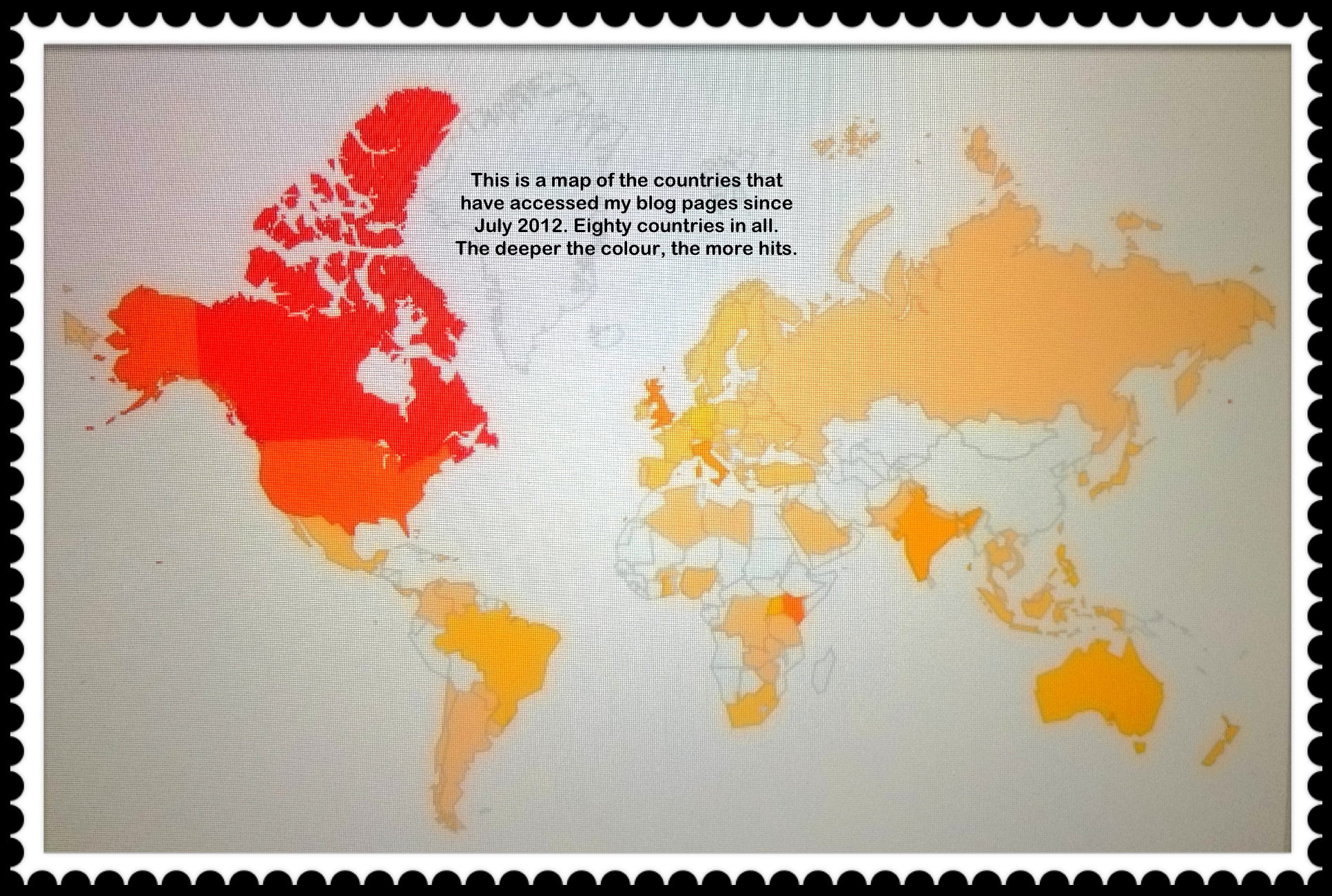
I am astounded that since that time there have been over 5000 views of the pages on my blog from 80 countries around the world.  i have often remarked that I feel like a global citizen and this ability to have interaction with people in so many parts of the world is extraordinary.

Thanks to everyone who has encouraged me and to every one of those 5000 reads.

Image

A bit of Heaven on earth?

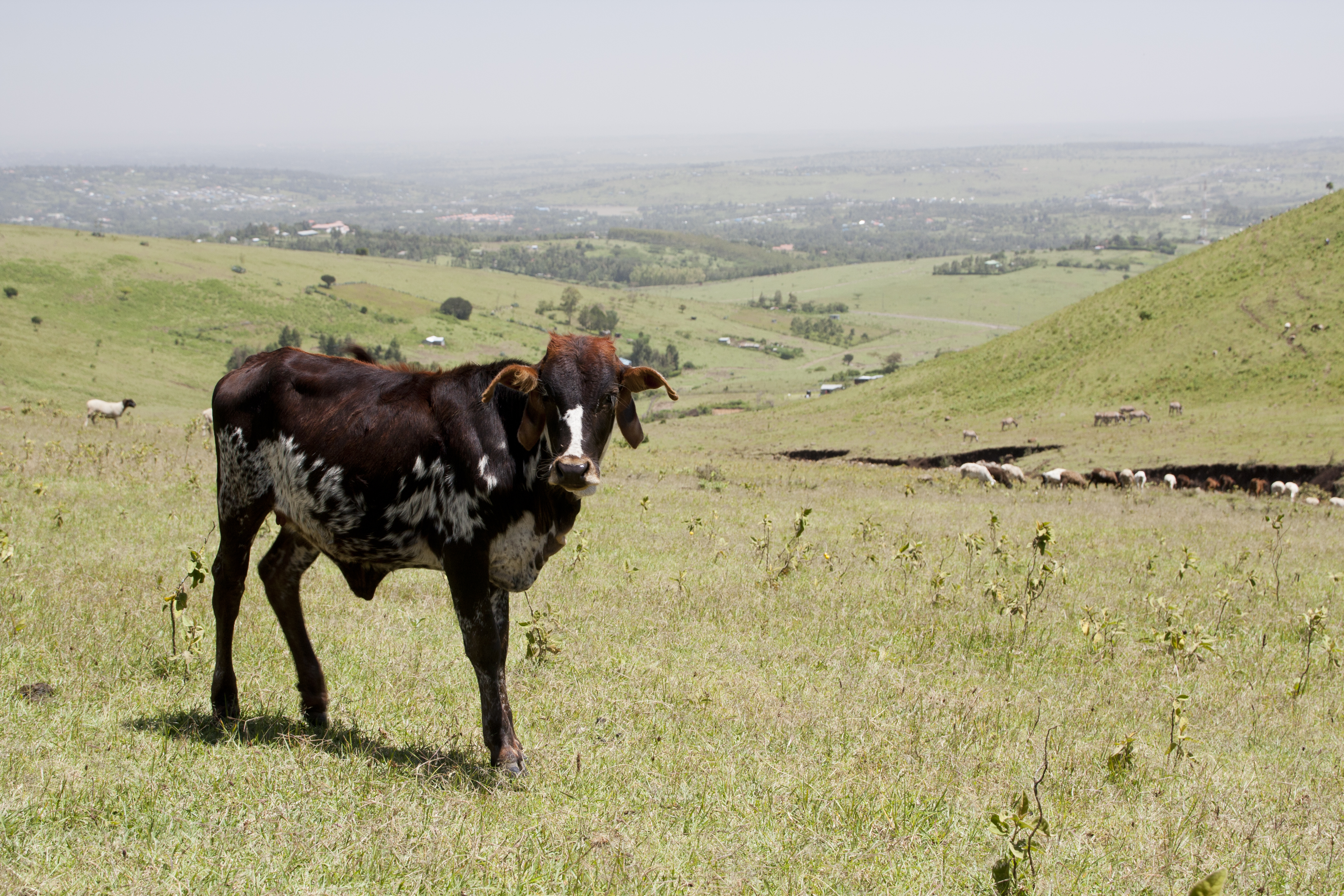
Rift cowWhen I visit my friends the Moiko’s in Kenya, we take a trek up the neighbouring hillside to Kona Baridi to feel the cool wind coming up from the Rift Valley and just enjoy the spectacular view.  It always refreshes and invigorates me. (Baridi means cold in Kiswahili.  Although it is cooler on the top of the hill than in the valley below,  it is still a long way from cold by Canadian standards.)

The climb through the hills passes goats and cows and rambles over rocks and a dried up stream that, I am told, gushes with water in the rainy season.

Baridi walk banner

If I look back as I walk, I can see the Moiko farm in the distance, the long laneway going up from the main road and the fields where their cows and goats (including Veronica’s offspring) graze.  In the past few months there have been African Buffalo coming down from the hills at night to invade the fields.  They are both dangerous and disruptive and are breaking down the fence to get into a natural salt-lick that is in the field. Stephen is not sure what to do about them. They are protected wildlife yet they are having an impact on his property.

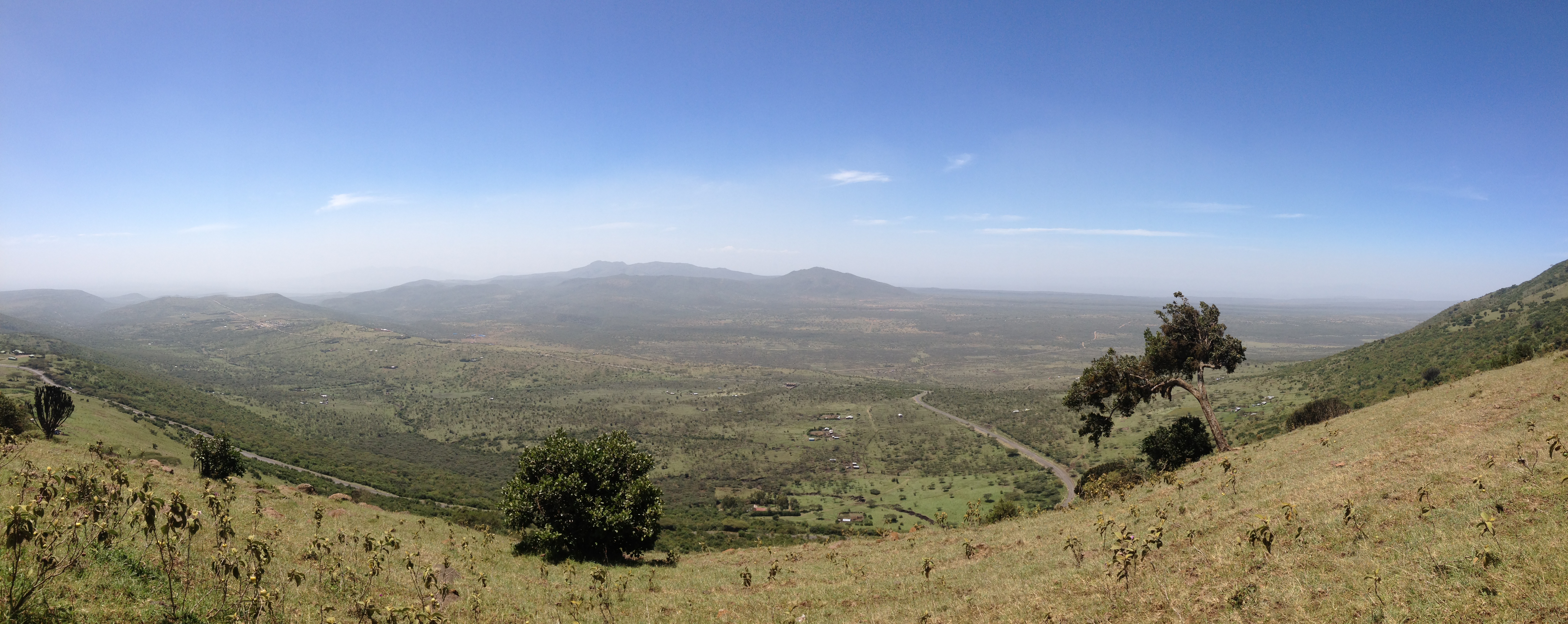
At the top of the hill is a wonderful vista overlooking the Rift, or the start of it.  If one were to progress down the hill and along the road to Magadi there would be a series of slopes downward to eventually reach the floor of the valley and Lake Magadi, a hot, dry, parched, soda lake that is only fit for a few flamingos and some very tough workers who mine soda from its floor.

2013-01-20 12.53.45

I usually sit for an hour or so on the grass at the top of the ridge, opening myself to the cool wind and soaking up the surrounding silence that  is broken only by the buzz of a bee or the occasional bleat of a sheep on a far-away hill.

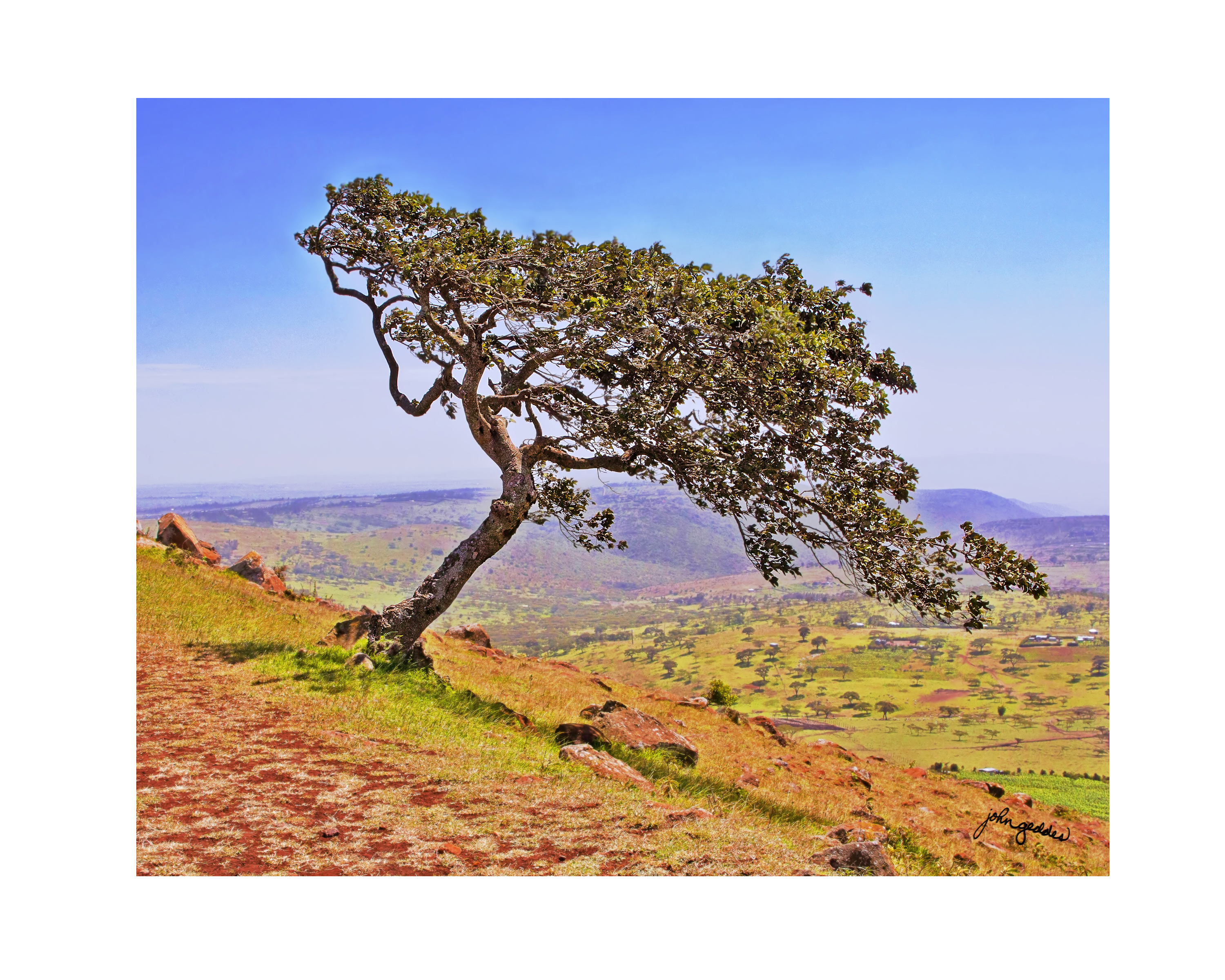
I visit with a couple of trees whose branches lean out toward the valley – outstretched like open arms to embrace the grandeur, feel the wind and gather up the freshness. I never tire of this hike and view which has become a traditional ritual for me over the past ten years.  Every time I go, I take photos of the vista and the trees – I must have taken hundreds over the years – but none come close to capturing the feeling that I get standing there.

Feel the breeze, absorb the silence, smell the clear air…

I fear that some day the hill will become cluttered with wind turbines.  I worry that these two  familiar trees will become victims “development”.

Although I am in no hurry, and as long as this place remains unaffected by “progress”, I think that I would like (some of) my ashes to be scattered to the wind here when the time comes. I have shared many pleasant moments with my African “family” on this ridge and they will know exactly where I want to be.

A perfectly heavenly place to spend eternity.

Baridi tree 2 HDR_f5

Congratulations are in order …

The CanAssist African Relief Trust has been a supporter of the Kanyala Little Stars School on Rusinga Island for the past few years. We have become good friends, visited often and shared the friendship with other Canadians who, like me, love to visit Mama Benta and the kids at the school.

Since we first met the school in 2007, it has grown. When I first visited them there were four classrooms with students up to about Grade 3. There are now 300 students at the school. It is bursting at the seams. Despite this crowding, they are not compromising on academics.

LS WP banner

Last year they graduated their first Class 8 students and when I was there earlier this month they proudly showed me the results of the standardized country-wide exams that students write to gain entrance to Secondary School.

They had 19 candidates and all of them passed. In addition, one of the “Little Stars” was first on Rusinga Island and second in the much larger Suba District. They also proudly reported that the second standing at the school was a girl, Phelistus Ogola.

This week I also learned that Elisha Onyando has been “awarded a full comprehensive scholarship from Equity Bank Kenya based on his superb academic performance.”

I am so proud of the students, teachers and directors of the Kanyala Little Stars organization. They are all working to build a better Kenya.

Congratulations to Elisha Onyando on his academic successes and the scholarship to help him pursue his Secondary School education.

Congratulations to Elisha Onyando on his academic successes and the scholarship to help him pursue his Secondary School education.

A Lake View ?

The hotel that I stayed in last week in Kisumu, Kenya boasted a lake view.
Well there was a view, all right but you could not see any water. The whole of Kisumu Bay is covered in Water Hyacinth, a species introduced into the Lake Victoria ecosystem in the 1980’s. It has taken over some parts of the lake, clogging up any boat access to the shore, thus disrupting fishing and transport of goods by water.
When I looked out across the bay it appeared like a green field. There may be some benefit to smaller fish that can hide in the roots of the plant and thus escape another introduced species, the Nile Perch. It can cause deoxygenation of the water, however, which is another negative effect for the ecology of the lake.
I wonder if there will be some process found to make use of this pest, as compost, fertilizer or even to produce biogas!
This was the "lake view" from my Kisumu Kenya hotel room.  Kisumu Bay is completely clogged with water hyacinth.

This was the “lake view” from my Kisumu Kenya hotel room. Kisumu Bay is completely clogged with water hyacinth.

A CanAssist success story …

This morning, I received this report from Tracey Onyango of the Nyatike Women’s Group in Kenya. I visited them and was impressed that they had gained confidence and were absolutely delighted with the progress they had made due to the installation of five CanAssist-funded rainwater catchment tanks in their community. Two of these tanks are at schools, one at a church and two at personal homesteads. Adjacent to one of these they have erected a greenhouse and are now selling produce from that venture. They were very proud of their accomplishments which has given them some financial independence, lessened the time and risks of walking several miles to the river to fetch water, allowed young girls to go to school instead of being water donkeys and improved the health conditions in the community by reducing waterborne illnesses like cholera and typhoid.

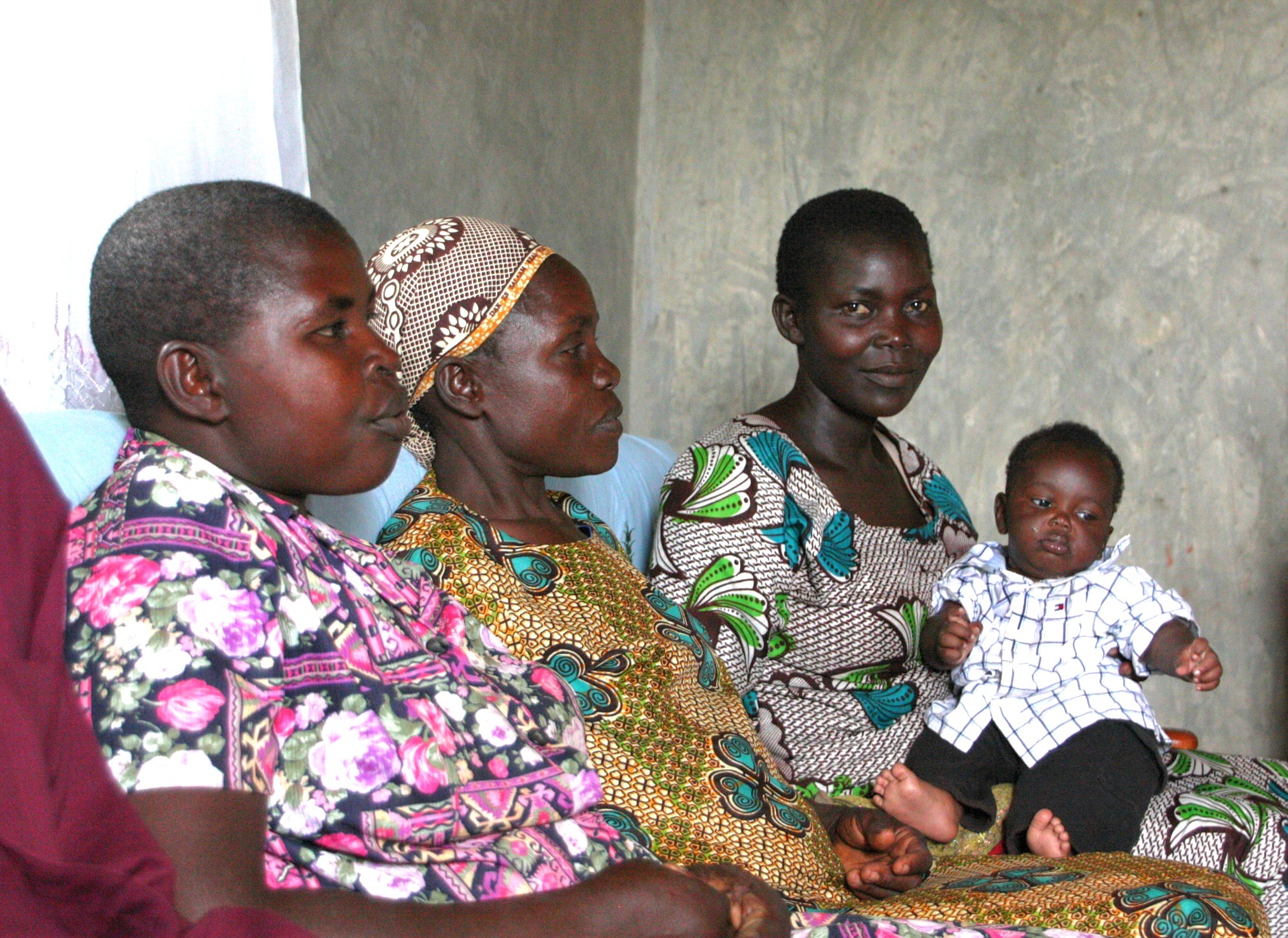
Some of the women in the Nyatike Interior Women's Group

Some of the women in the Nyatike Interior Women’s Group

The CanAssist board has agreed to continue to support this women’s group by helping them install public latrines in their community. They will start at Nyaktike village where there is currently no public toilet. They will maintain the toilet 24hrs a day, and keep it clean in exchange for a small user fee (common in this part of the world for public latrines). The income generated will be used to support the women in the group and to expand other public service projects to improve living conditions in the area.

Here is her report.

I’m happy to share some success stories some of which you witnessed during your 28th January 2013 visit to Nyatike Interior Women’s Group (NIWG)

– CAART support has enabled Nyatike Interior Women’s Group to address the overlooked and unpaid economy, where women predominate. Women perform all domestic tasks. They are responsible for the care of children, the sick and the elderly, in addition to performing essential social functions within their communities. Nyatike women’s fundamental contributions in their households, food production systems and national economies are increasingly acknowledged. This is due, in no small part, to African women’s own energetic efforts to organize, articulate their concerns and make their voices heard. Interestingly, women have started to not fully economically dependent upon their husbands.

– There has been a growing recognition of women’s contributions which is translated into significantly improved access to resources or increased decision-making powers. It is noted that the dynamism that women display in the economic, cultural and social lives of our communities through our organization and informal networks has been instrumental into creating new models in women’s participation and leadership.

– Issues of rape, sexual assault and domestic violence including drowning and crocodile attacks are also are beginning to receive due attention/mitigation measures in discussions of women and children health. Also important to note is that women and children are relieved of labour, distance and time they walk daily in obtaining this basic resource. The beneficiaries are now able to translate the time and workload they usually face into education and other socio-economic developments.

– Evidence from our innovation, actions and replication has shown important links between improved HIV and AIDS outcomes and nutrition. The establishment of Water & sanitation facilities and the only green house established in Nyatike demonstrates the ability and viability of women in adequately responding to health and nutritional needs in a sustainable way. It is clear that nutrition is necessary to maintain the immune system, manage opportunistic infections, optimize response to medical treatment, sustain healthy levels of physical activity, and support optimal quality of life for a person living with HIV (PLHIV). Good nutrition may contribute to slowing the progression of the disease. Food insecurity and poverty may lead to high-risk sexual behaviors and migration, increasing the risk of acquiring HIV. At the same time, HIV weakens a household’s ability to provide for basic needs. Also, awareness on water and sanitation, the community have gained skills and knowledge on dangers of using surface water and benefit of maintaining hygiene and good use of sanitation facilities e.g. VIP latrines as such there is ensured access to equitable water and sanitation services in the community. It is evidenced from the impact assessment that fewer referrals on water related diseases are done to the local health facilities. Thus, it is our assumption that families livelihoods have improved.

The Nyatike Interior Women’s Group thanks CAART for your support. We hope future partnerships will impact more in the lives of the vulnerable in the East Africa.

Tracey Onyango , NIWG, Kenya

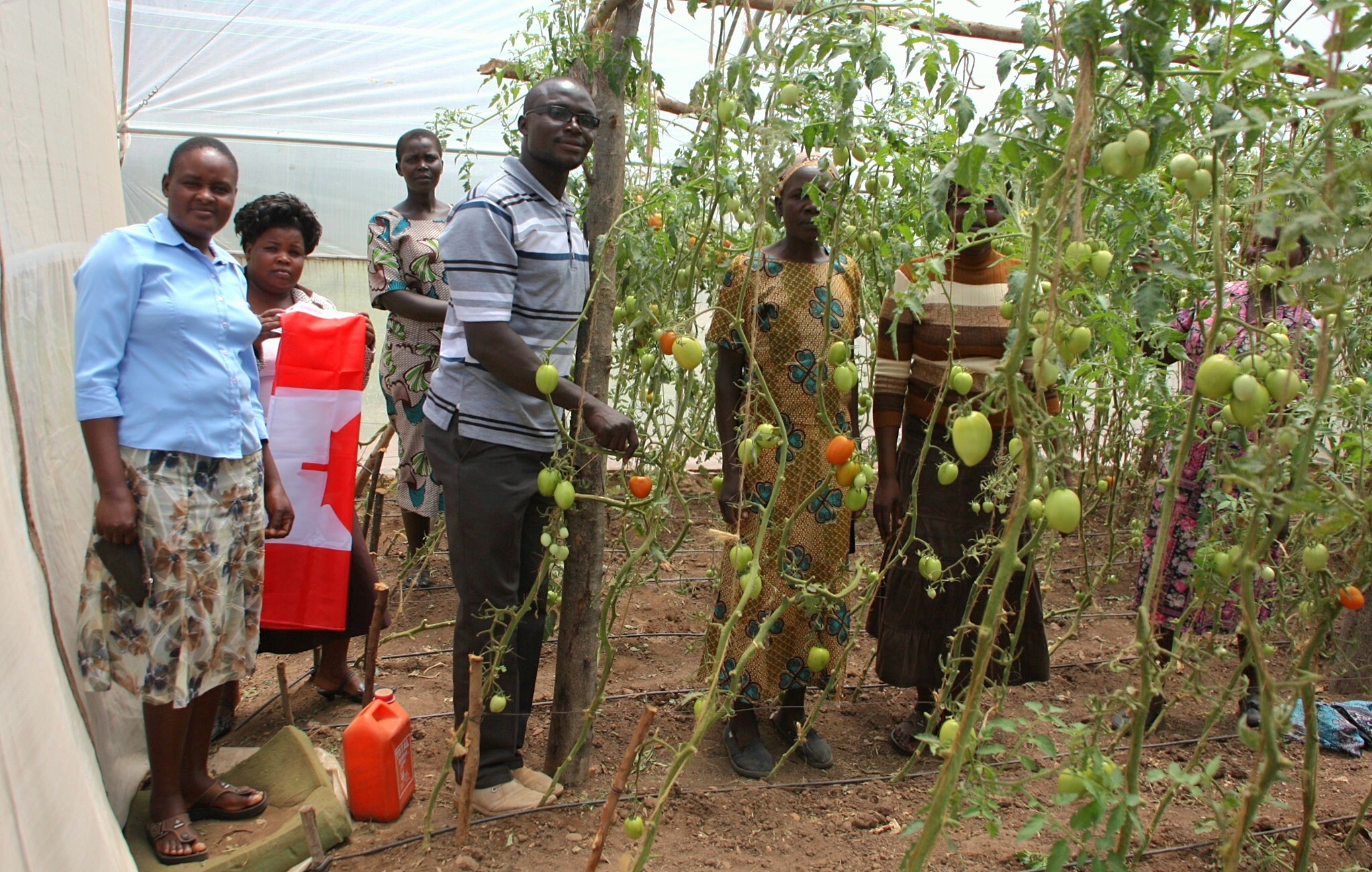
Executive members of the NIWG show off the tomatoes that are growing in their greenhouse, thanks to the availability of water from the CanAssist water tank.  This is both providing nourishment and income for the group and they report feeling somewhat liberated by this project.

Executive members of the NIWG show off the tomatoes that are growing in their greenhouse, thanks to the availability of water from the CanAssist water tank. This is both providing nourishment and income for the group and they report feeling somewhat liberated by this project.

Heading home …

Image

20130214-101633.jpg

On my way home.

Gradually watching my surroundings change. Despite being a high exporter of coffee to the rest of the world,Kenya tends to be a tea society. Probably has to do with lack of easy preparation of brewed coffee.

More commonly if you are served coffee it is instant Nescafé. Their local instant coffee is very good, however, when you can find it. I have a little tin to bring home with me. Finely ground and good coffee taste.

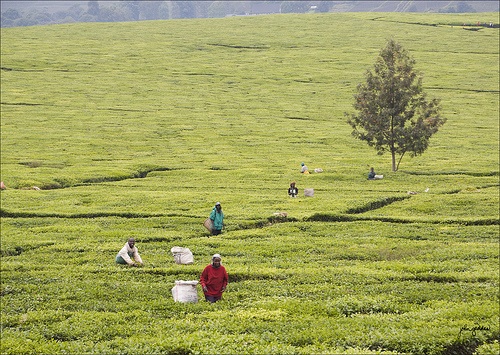
There are parts of Kenya that are particularly good for growing tea. The fields are an endless green table of waist-high bushes that are speckled with workers hand picking the young tea leaves for drying and processing and shipping around the world.
image