One of the goals I set for myself as I returned to Bosnia after a long absence, was to taste again as many of the traditional dishes that were a staple part of my diet when I worked here from 1998-2012 but have not had for quite a while. I made myself a list before I traveled so let’s see how I have done.
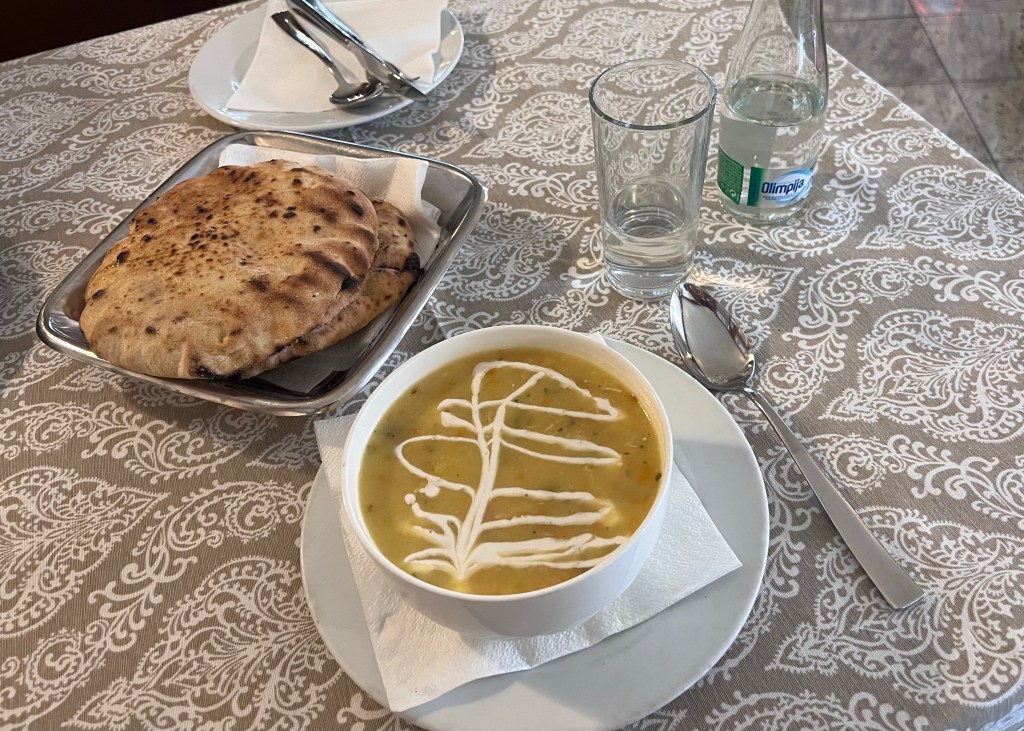
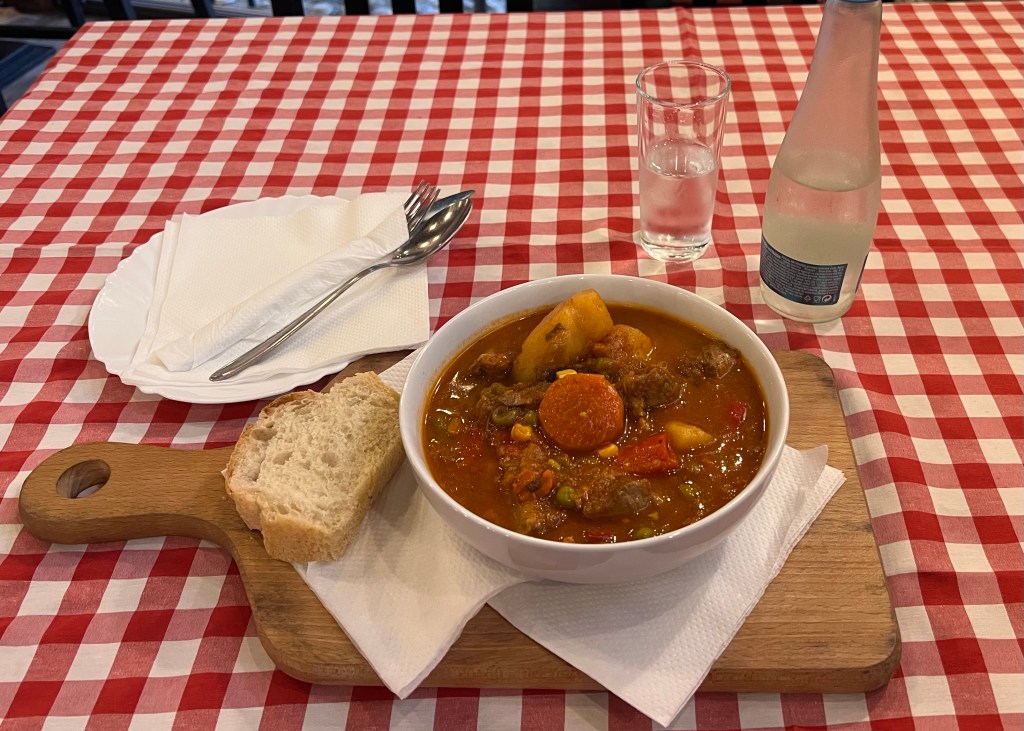
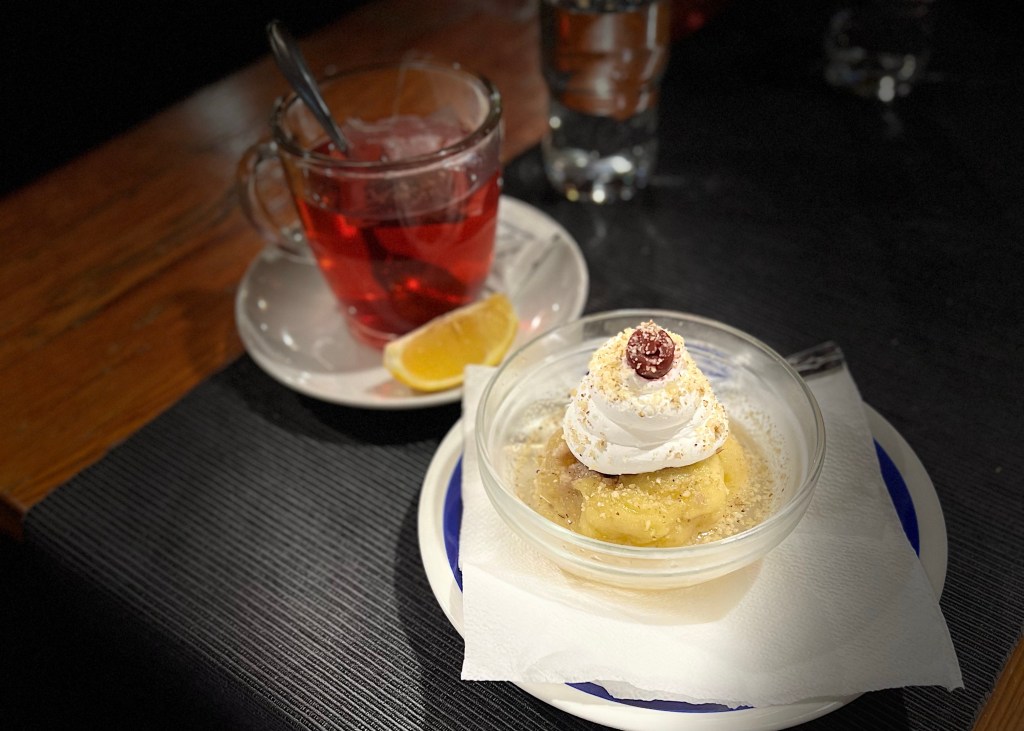
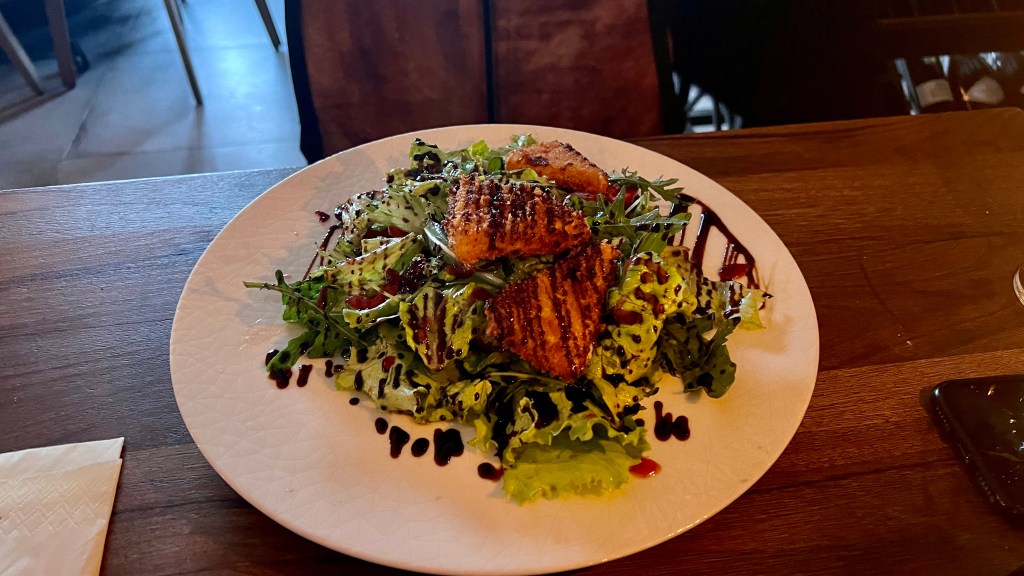
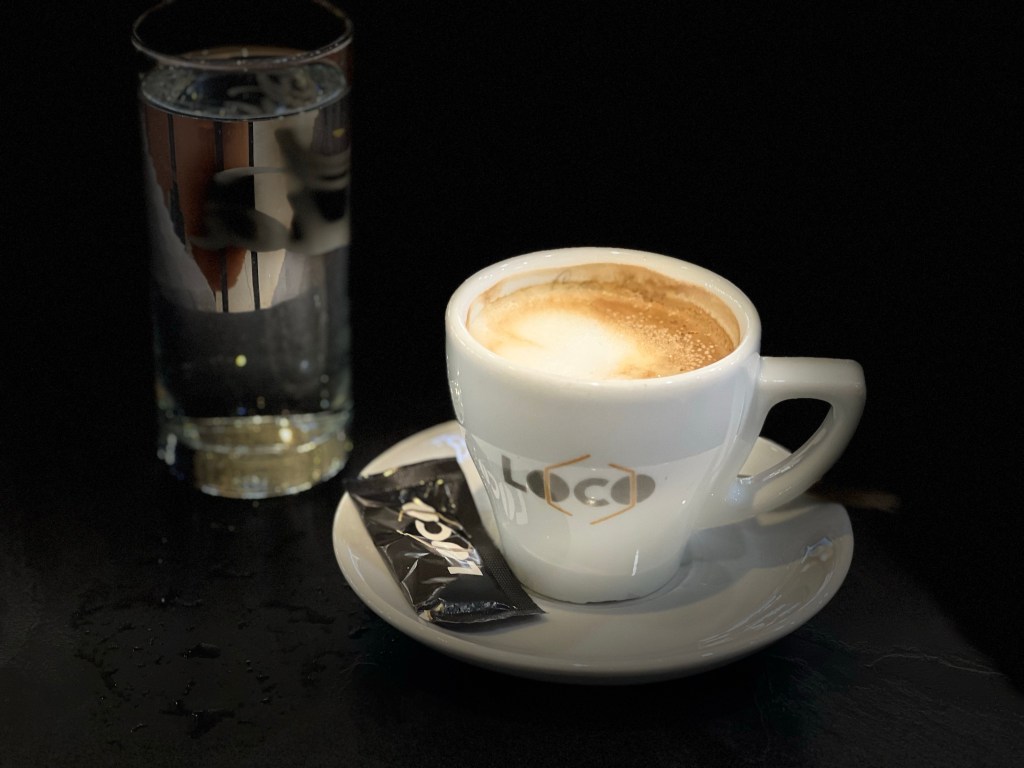
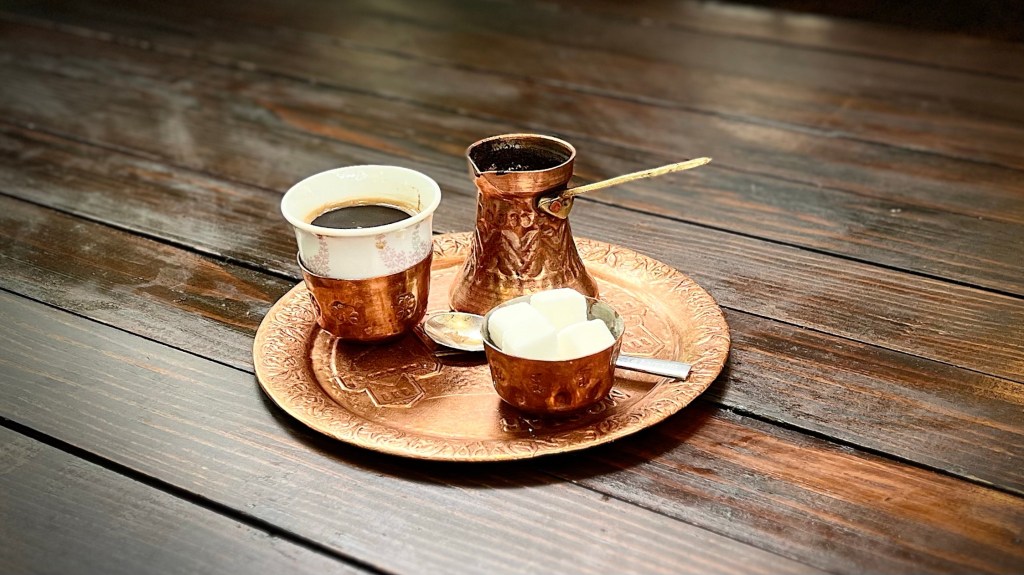
Ćevapćići. This was my introduction to Bosnian cuisine in 1998 at a restaurant called Hodzić in Sarajevo. So I had to go back there to do it again. Basically these are little skinless spiced sausages of lamb and beef grilled up when you order it and served with onions in a tasty, fresh pita-like bread called somun. It is often served with drinkable yoghurt but I am not a yoghurt fan so I take it will beer!Once again the somum bread accompanies Begova Ćorba, s creamy chicken/vegetable soup that also has sour cream in it. Great lunch dish.When at the Slava celebration in RS, part of the meal was sarma and corn bread muffins. Sarma is basically a cabbage roll, The filling typically consisting of a combination of ground meat (commonly beef and/or pork), rice, finely chopped onions, garlic, and a blend of spices such as paprika, salt, pepper, and sometimes herbs like parsley.Mućkalica is a flavorful stew that typically includes cubed or diced pieces of meat, such as pork, beef, or lamb, sautéed in oil or fat until browned. Onions, garlic, and bell peppers are then added and cooked until softened. The stew is further enriched with the addition of tomato sauce or crushed tomatoes, along with paprika, salt, pepper, and other seasonings. It is then simmered slowly until the meat becomes tender and the flavors meld together.At Inat Kuća in Sarajevo I had a mix of Bosnian specialties including dolme ( stuffed cooked onions), bamija (okra – always said to be “good for the potention”) and ćevaps. Served with a dollop of sour cream and a Sarajevsko pivo (beer)For dessert we wandered down the street to another old restaurant where I always enjoyed Tufahija, a poached apple stuffed with walnuts and topped with whipped cream. Accompanied by voćni ćaj (pronounced vochni chai) or fruit tea.Burek is a savory pastry made of phyllo dough and filled with either meat, cheese, or spinach. Sliced up like a pizza and good for breakfast or lunch.Fresh salads are always good, often with tomatoes and cheese and greens and cucumber.When I worked in Sarajevo I spend many a memorable Friday night in this little corner of Avlija with my co-workers Daren and Al and Donna in particular. What a treat to be there again with Lejla, Aldina, Saša and Muco. We ordered a couple of platters of food that included proccuitto, Travnik cheese, olives, tomatoes and a basket of Uštipci or Lokum. Uštipci are sort of like fried doughnuts that are often served as a snack or side dish. They are light and chewy and are often served with kajmak cheese or ajvar spread. Kajmak cheese is known for its rich, creamy texture and a slightly tangy and salty flavor. It has a smooth consistency that spreads easily. The other solid cheese on the tray is Travnik cheese often made from sheep milk. It is crumbly and salty and much like feta.Our second platter was grilled beef, baked potatoes, zucchini, deep fried chicken and mushrooms, more kajmak and lokum. And another toćeno pivo. (draft beer).My go-to request for coffee for breakfast or a break was usually is “Ja BiH Produženu kafu sa mlijekom, molim” that translates to “I will take an exyended coffee with milk, please. Sort of like a small latté. Comes with a glass of water and sometimes a little biscuit or lump of sugar.And then there is Bosnian coffee . Bosnian-style coffee or Turkish coffee, is a traditional method of preparing and enjoying coffee in Bosnia and Herzegovina. It is a strong and aromatic coffee brewed in a special long-handled pot called a “džezva.” Lots of grounds in the pot and foam on the top. The grounds settle to the bottom of the small coffee cups. Usually sweetened with sugar cubes you can drop into the cup before decanting the coffee or sometimes you dip the sugar cube into the coffee and eat it.
I loved getting a taste of all these foods that I had enjoyed years a go. I also sampled local beers from all the cities (Nektar in Banja Luka, Tuzlanski pivo and Sarajevsko pivo and Mostarsko pivo in those cities.
The downside was that with all this beer and bread and Bosnian cuisine, I put on 4 pounds over my visit to BiH!






 johnageddes