When I was selling my house three years ago, prospective buyers were always anxious to see the kichen and the bathroom(s) as a priority. What was the bathroom countertop like? Were there two sinks? A rain shower? One of those toilet lids that closes quietly without banging? Magazines and web sites intrigue us with bathrooms where we could luxuriate all day. We in North America are certainly spoiled when it comes to bodily ablutions and evacuations and we have all been in service station washrooms that make us cringe.
According to Unicef and World Health Organization data, less than 35% of the population of Kenya has access to “improved sanitation” – which might just mean a clean ventilated outdoor latrine. Flush toilets for most…forget it.
One of the areas of focus for the Canassist African Relief Trust is to help schools in East Africa improve the situation for their students by constructing new latrines and having rainwater collection for both drinking and washing.
Let’s compare our expectations for sanitary toilet facilities with what some students and teachers endure in Kenya

These are the two buildings that serve as toilets for 300 pupils at the Mutunda School in Kenya
Initially he was surprised that the request was coming from this community which, on the surface, seemed to be reasonably well off. But as he went a bit more rurally to one of the schools, even he was shocked by what he found.
The Mutunda Primary School has about 300 pupils and ten teachers. There are six stances in two toilet buildings to serve the students. The latrine for teachers had long ago collapsed and was unusable. The student latrines were in disrepair. There was no access to water for hand washing.
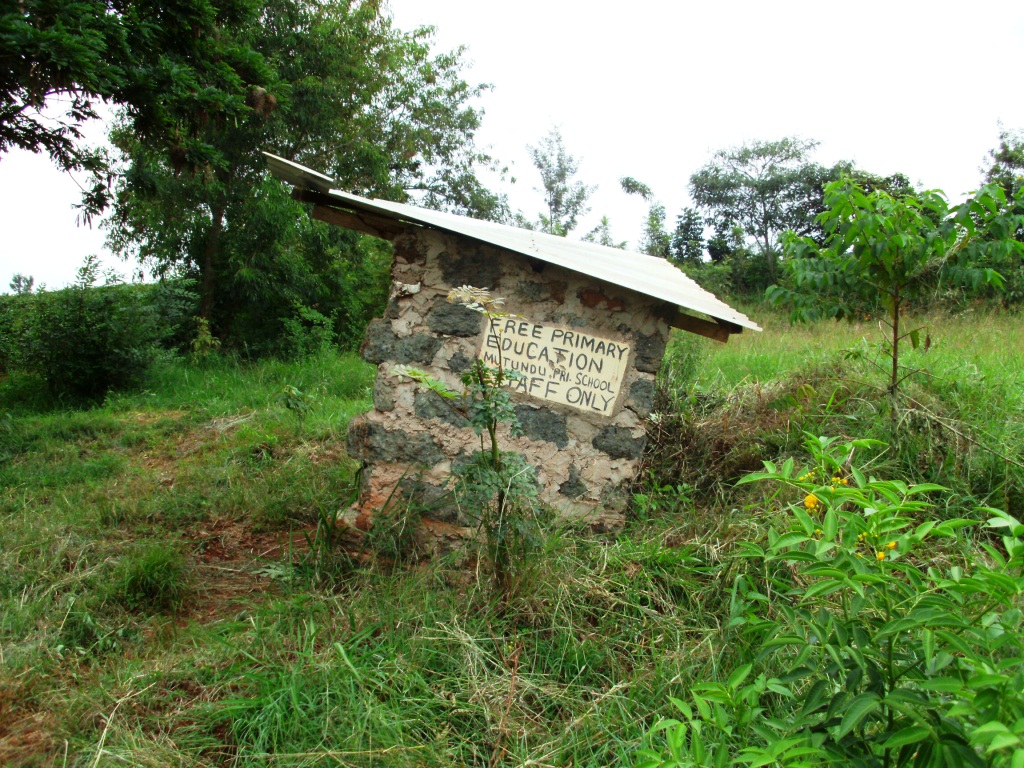
The toilets that were used by the teachers have collapsed and can not be used. Want to teach here?
Dan sent photos. I have seen other latrines like this in Africa and remember the smell. Just looking at the photos almost made me gag.

The girls’ toilet. No further explanation necessary.
How on earth can you teach young people the health advantages of using clean sanitation facilities and hand-washing when the school toilets look like this?
The school has requested $5000 to build new toilets – ventilated drop toilets that are 30 feet deep. There will be 8 stances for the boys, 8 for the girls and two for the teachers (about $250 for each unit). They will also install some rainwater catchment gutters on the school building to help promote hand-washing. Hand-washing has been demonstrated to be as effective as clean drinking water to reduce disease from fecal contamination.
The CanAssist board has yet to review this proposal but I can’t imagine that we will not approve of this project. How can we refuse? This is not only a matter of sanitation and health but also one of simple dignity.
 .
. johnageddes