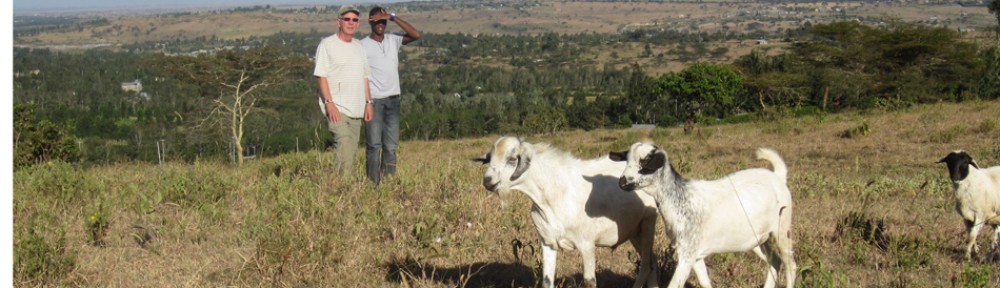
Osiri, a Lake Victoria fishing village

Osiri village is a 15 minute walk from the Luanda ferry dock that takes me to Mbita town. It is a small fishing village with a population of about 500. The people there struggle with poverty and the unfortunate lack of adequate clean water and sanitation.

Osiri fishermen

Osiri fishermen

I was introduced to the community through Meshack Andiwo, a fellow who as had the opportunity for a bit more education than most there. He indicated that the community was concerned about the children not getting any schooling. It is near this village that CanAssist has built the Stewart Geddes School. Fishing had been the main source of income for people in the village but this is becoming more challenging for a number of reasons.

Firstly, as in the rest of lake Victoria, the fish stocks are being depleted. Nile perch were introduced to the lake in the 1950’s as a potential source of fishing income. This was both a blessing and a curse as these fish have a voracious appetite and have consumed many of the smaller species in the lake, upsetting the ecological balance. They can grow to be very large. Nile perch caught in the lake are packed in ice and taken to a larger city, Kisumu or Nairobi, for filleting and shipping to Europe.

Day catch of Nile Perch. These four fish weighed 38.5 kg.

Day catch of Nile Perch. These four fish weighed 38.5 kg.

Although the price that the fishermen can get for the fish has fallen, it is still an income. So the people who live here are forced to sell the fish and go without. Despite being close to this nutritious food source, they can not afford to keep the fish which end up in European markets.

Another introduced species that is causing problems in the bay is Water Hyacinth. You may know this as the lettuce-like floating plant on ornamental garden ponds in Canada. They sell for $4-$5 each in garden centers in May and June. They have a nice purple flower and spread out over the pond only to be frozen at the first frost.

Somehow, this native of South America entered the Lake Victoria system in the 1980’s and since then, they have rapidly taken over. Millions of them float in clumps or even large islands in the lake, being blown around by the wind and currents.image Although they may shelter the fish in some ways, the fishermen have trouble with their nets brewing caught up in the rafts of plants and when a large crop blows in to the shore at the village, it makes landing or launching a boat impossible.
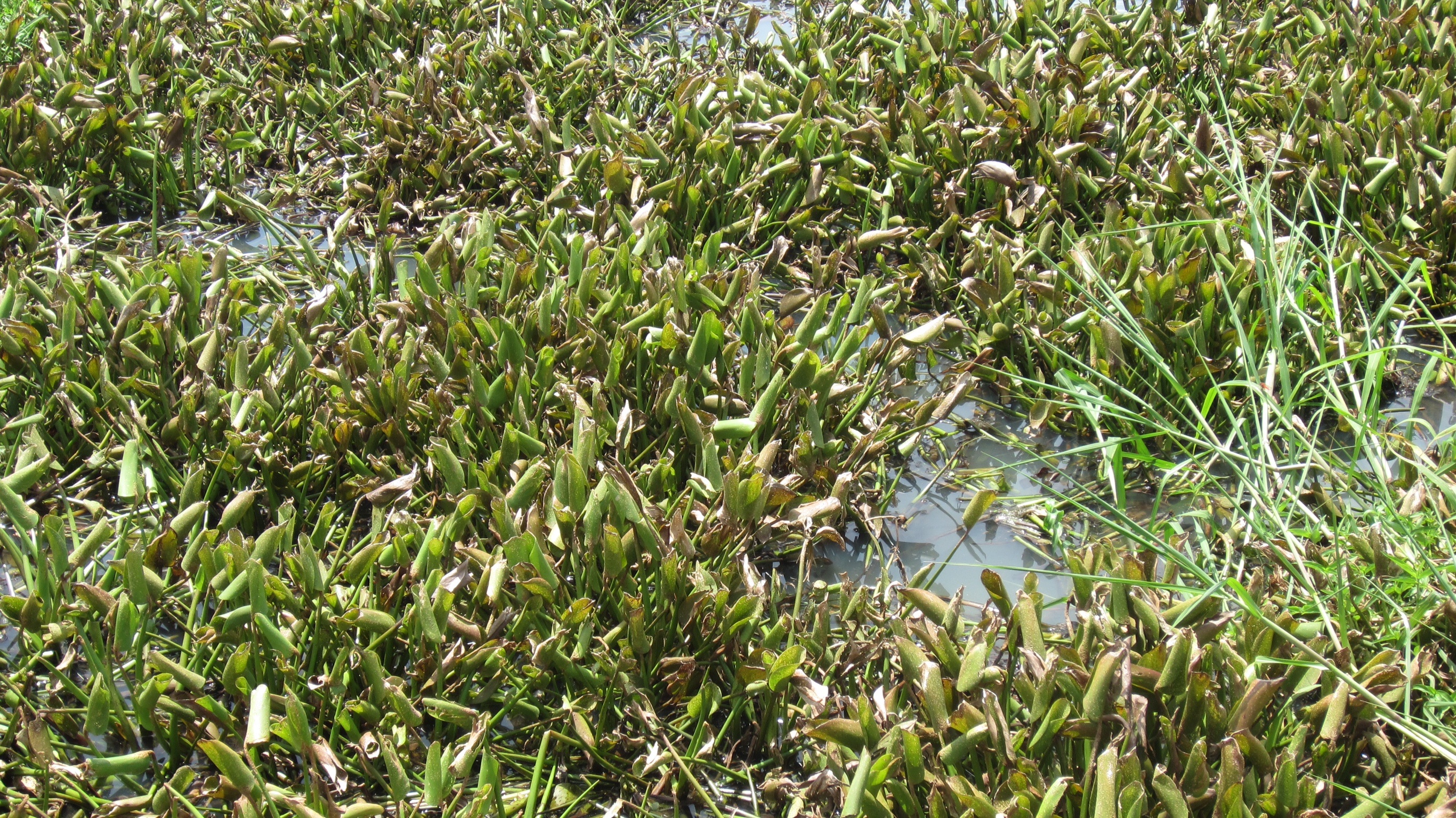
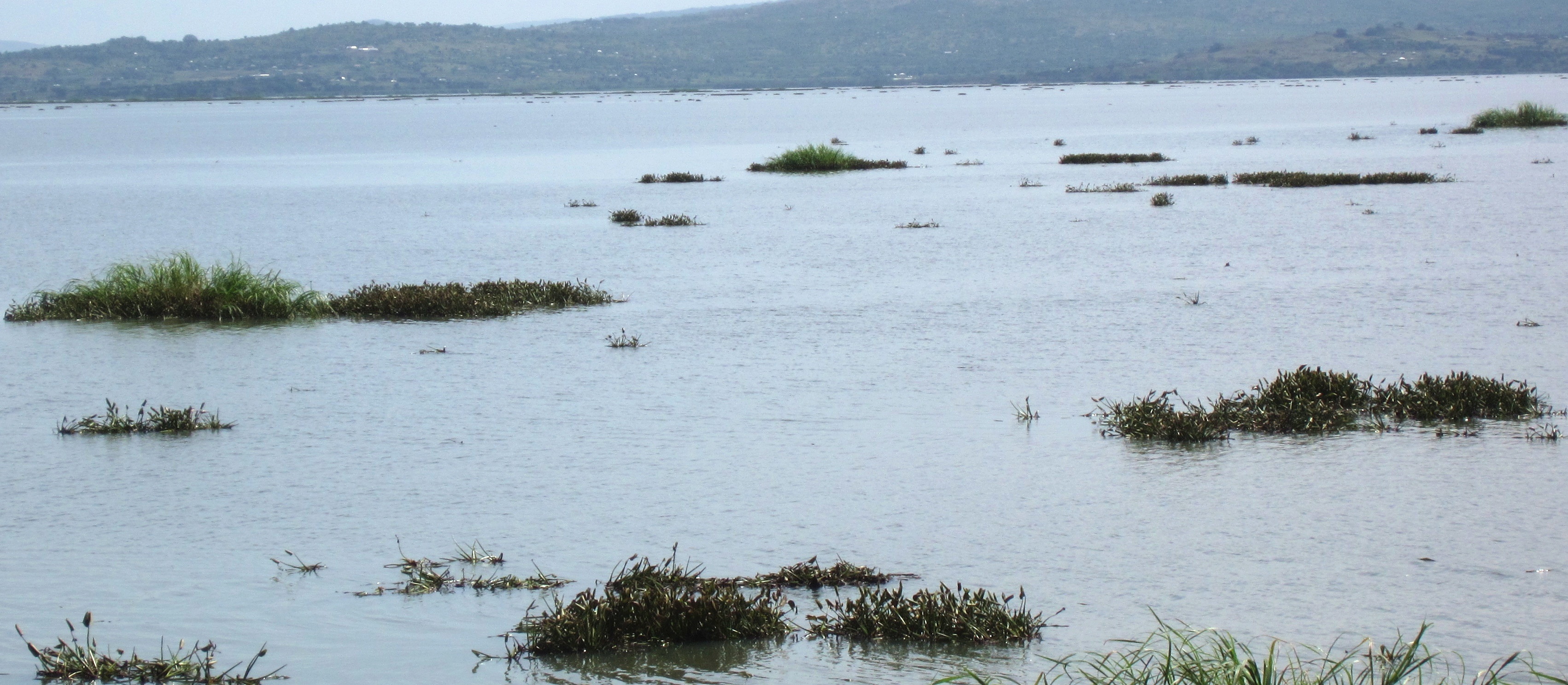
Water hyacinth floating on the lake.

Water hyacinth floating on the lake.

They also act as a breeding ground for mosquitoes, thus increasing the spread of malaria and dengue fever.

I told the folks here that the poverty problem in their community could be solved if they could just sell these plant pests to North Americans and Europeans for their backyard ponds. Another inequitable obscenity, when you think about it very much.
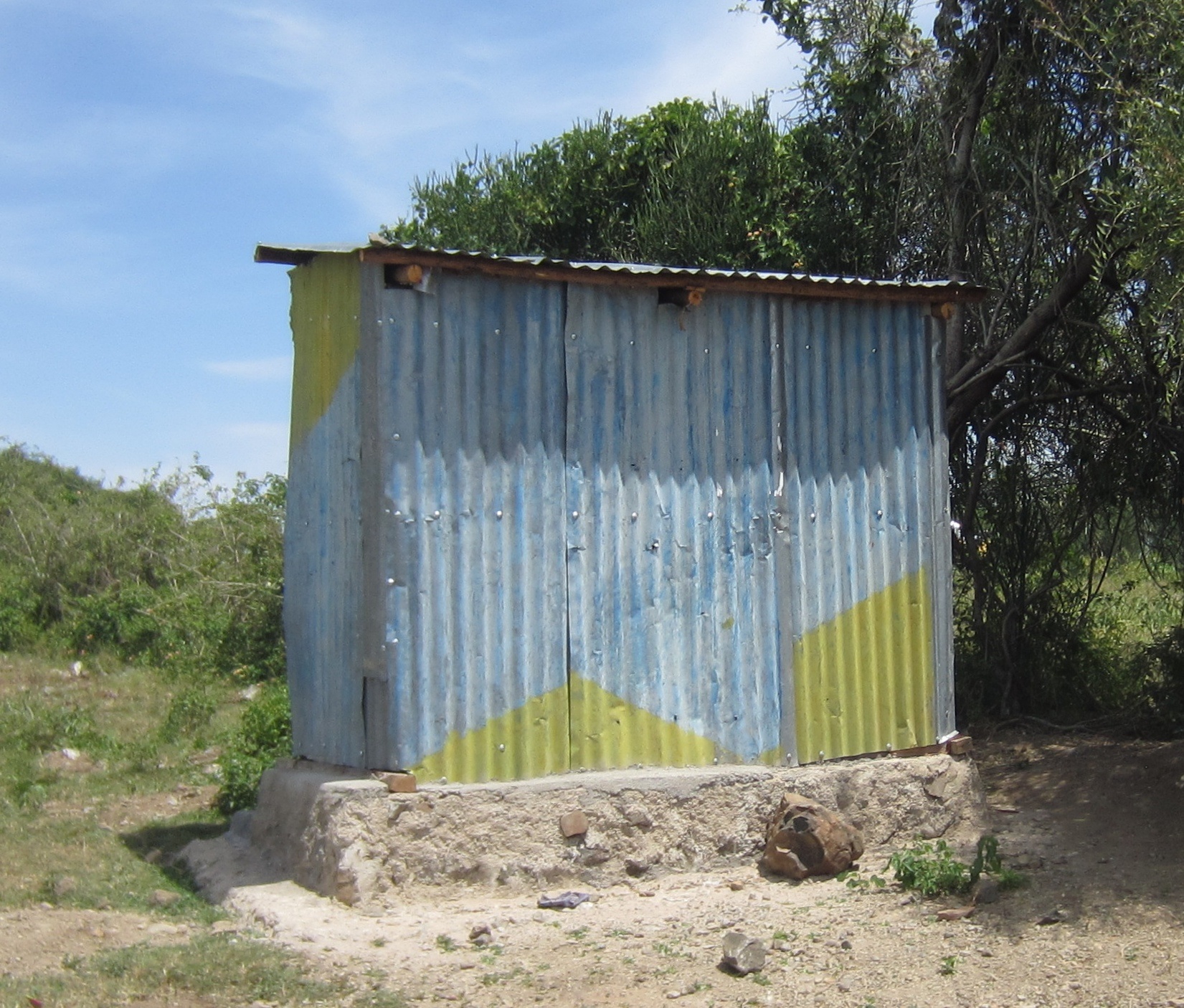
This unventilated latrine is the only toilet for the 500 people living in Osiri village.

This unventilated latrine is the only toilet for the 500 people living in Osiri village.

There are few households with any toilet and most of the people in the community either use the bush or one small latrine found near the centre of the village. They collect their water from the lake but the lake is becoming increasingly polluted with sewage, laundry detergents and other effluents. Many do not boil or purify their water before consuming it as this takes time and money or consumes scrounged firewood that is needed for other cooking.

Kids swim in the lake and others bathe there. Many are infected with bilharzla, a parasitic fluke that can infest kidneys and bowel.

Despite these challenges, the people who live in Osiri Village are cheerful and optimistic and my visit to the community and the Stewart Geddes school was heart-warming.

image

A letter from Africa

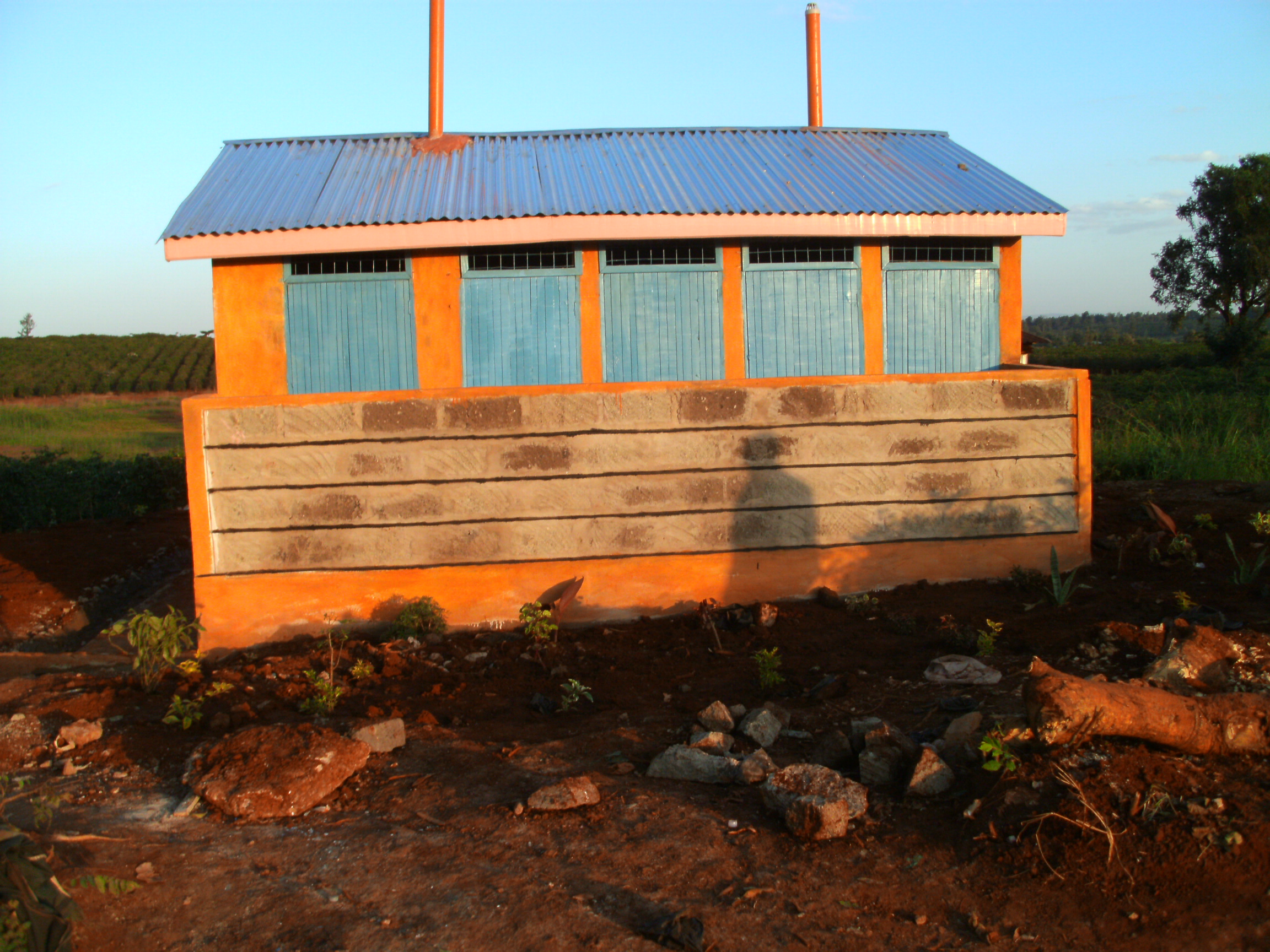
One of the three completed latrines that will dramatically improve sanitation for students at the Mutundu School in Kenya – funded by CanAssist African Relief Trust

I am happy to share this letter of appreciation from Michael Gichia who has been the African contact with the Murera Community Empowerment group and the Mutundu School where the CanAssist African Relief Trust has funded construction of new latrines and provision of clean water.

See these earlier posts for background on this project.

Sanitation…or lack of it
Sanitation..making progress
Not just new latrines

Dear John,
I hope you are doing fine as we are here in Kenya. I would like to let you know that we have completed the proposed project successfully and I’m taking this opportunity on behalf of MCESO to thank all the trustees, board members, staff and the friends of Can Assist African Relief Trust for their generosity in support of our project titled, provision of clean portable drinking water and construction of enhanced sanitation facilities in Mutundu primary school in Ruiru District 0f Kenya. Your financial commitment has incredibly helped and has allowed us to reach our goal. We would like to let you know that your financial inputs towards our proposed project have greatly helped the project turn into a successful and replicable model and the situation at Mutundu pry school has improved from worst to best.

We pray that may God keep continue giving you good health as well as good will to keep on helping marginalized communities.Please find attached our end project for your files.Too, we have kept all the project invoices safe.We look forward to submitting another project proposal to Can Assist African Relief Trust soon.

Thank you once more and God bless.
Sincerely,
Michael.

Read Michael’s full report on this project here.

Mutundu school latrines

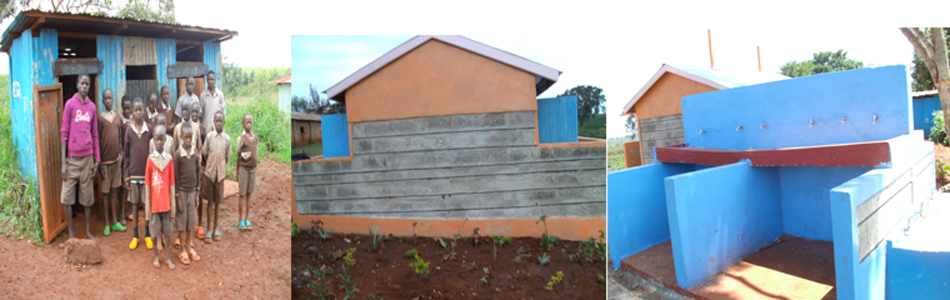
Before and after photos of the boys latrines at Mutundu School. In addition to the latrines, sanitation has been improved by the construction of handwashing stations. CanAssist has been delighted to have funded these sanitation improvements.

Not just new latrines

I’m delighted to have received further updates about the sanitation improvements that CanAssist is funding at the Mutundu Primary School in Kenya.

Toilet for girls at the Mutundu School – Spring 2012

I first wrote about this in a blog article in June (Sanitation – or lack of it) and subsequently updated it last month (Sanitation – Making progress) As you can see from the photos, the state of the toilets for staff and students at the school when our Kenyan assistant, Dan Otieno, assessed them was nothing short of disgusting.

Last week I received more pictures of the new latrines at the Mutundu School I would like to share along with some hidden advantages to the community from the kind of development work we are doing through the CanAssist African Relief Trust.

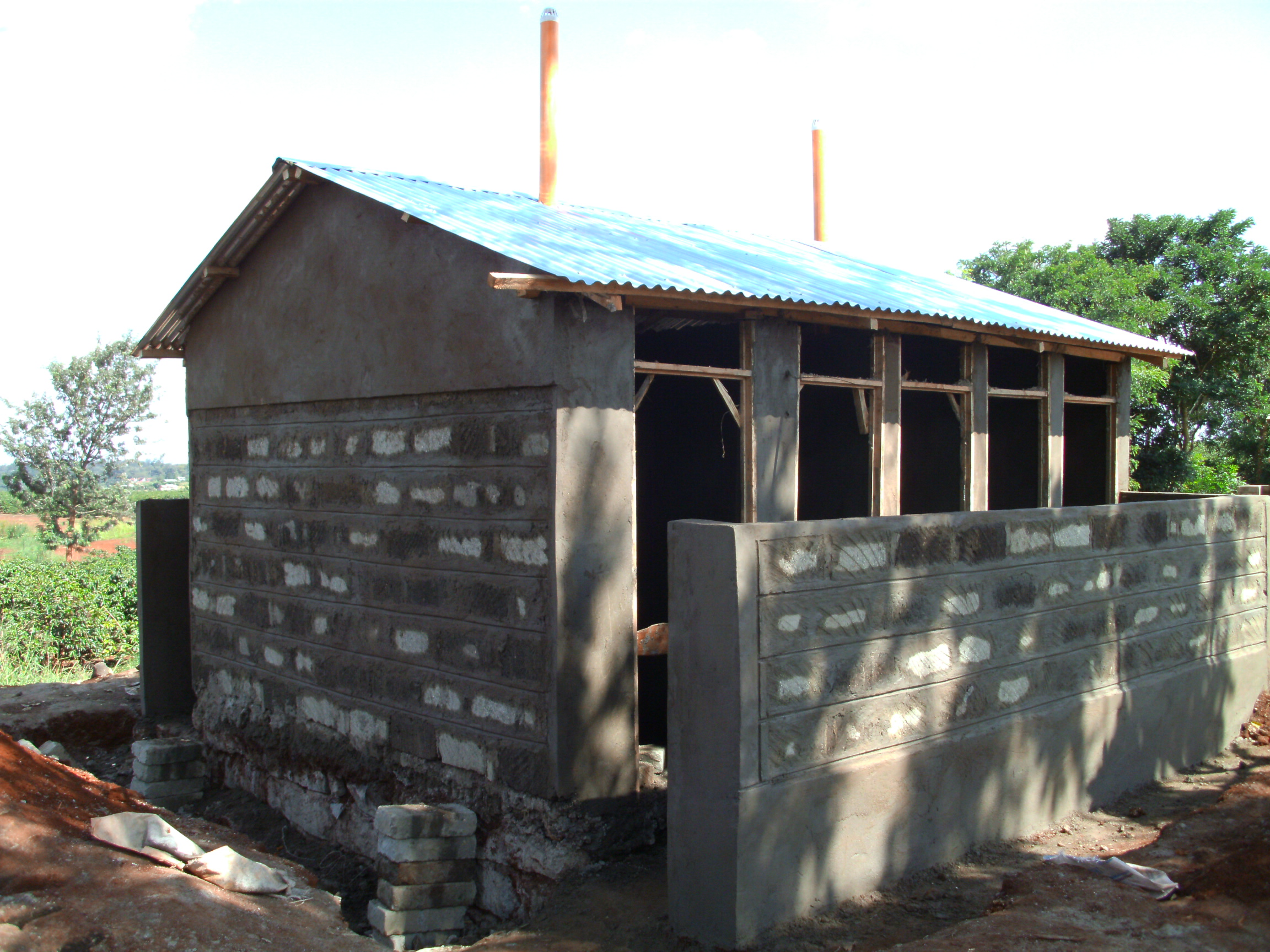
New CanAssist-funded girls toilet at Mutundu School. August 2012

I have come to realize that often the stimulus to a community provided by the funding of an infrastructure project such as this one has other less obvious benefits. The materials for construction are all locally purchased and the skilled (and unskilled) labourers to construct the projects are local tradesmen, often without much work. So we are not only providing the structure or item that will be part of the community and improve well-being there, we are also giving some employment to the locals, albeit temporary.

CanAssist recently sent money to another school in Uganda – Hope for Youth School near Mukono – to purchase 70 desks and chairs for the school. The cost comes to just over $5000 to do this. The bonus is that the desks and chairs will all be made locally by carpenters who will therefore benefit as well. This is a Win-Win situation. The school gets the needed furnishings and the local carpenters (and suppliers) benefit from the business.

It makes me happy to see this work at the Mutundu school progressing, knowing that the sanitation (and thereby health) conditions at the school will be greatly improved. I am also glad that the community are having some opportunity to participate in the construction and even earn a bit of money as they contribute to achieving these goals.

When money for infrastructure projects like the latrines at Mutundu School becomes available, it creates lots of interest in the community, a sense of ownership of the project and employment for tradesmen in the region.

Sanitation – making progress

A month ago, I wrote in my blog about the need for latrines at an elementary school in Kenya – “Sanitation – or lack of it”.

The CanAssist African Relief Trust board approved of this project and sent money (about $5200 Can) to the school last week to start construction of latrines for the school with 8 stances for girls, 8 for boys and 2 for staff. This will be a huge improvement in the sanitation for the school,

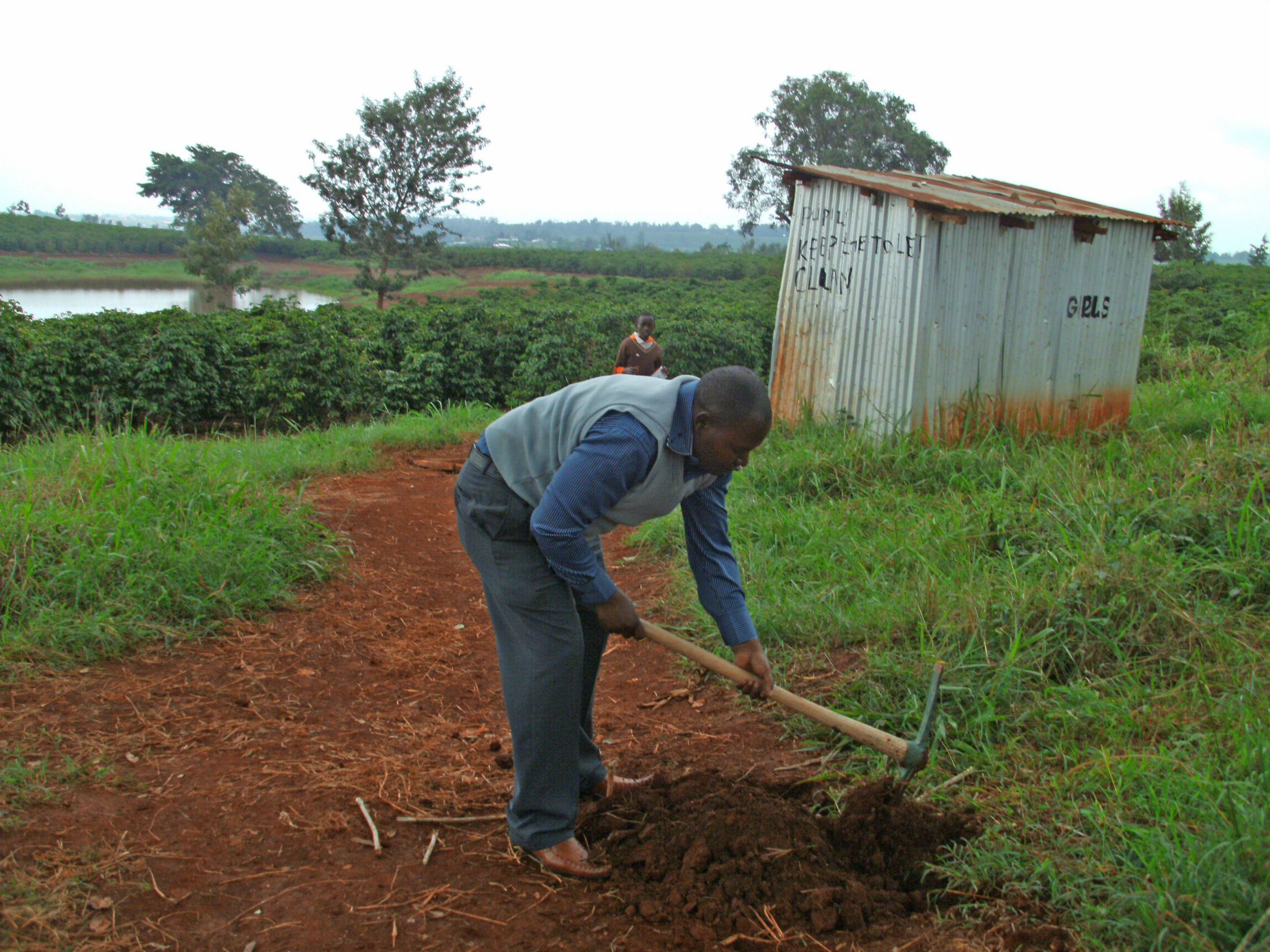
Today, I received photos from the community showing that their construction has already started. Once these people have the funding, they dig right in (literally) to get the job done.

It will be delightful to follow this project through to completion. Congratulations to the community for your enthusiastic initiation of this improvement to your school.

Thank you to Michael Gichia of the Murera Community Empowerment and Support Organization for the photo updates.

Sanitation….or lack of it.

When I was selling my house three years ago, prospective buyers were always anxious to see the kichen and the bathroom(s) as a priority.  What was the bathroom countertop like?  Were there two sinks? A rain shower?  One of those toilet lids that closes quietly without banging?   Magazines and web sites intrigue us with bathrooms where we could luxuriate all day. We in North America are certainly spoiled when it comes to bodily ablutions and evacuations and we have all been in service station washrooms that make us cringe.

According to Unicef and World Health Organization data, less than 35% of the population of Kenya has access to “improved sanitation” – which might just mean a clean ventilated outdoor latrine. Flush toilets for most…forget it.

One of the areas of focus for the Canassist African Relief Trust is to help schools in East Africa improve the situation for their students by constructing new latrines and having rainwater collection for both drinking and washing.

Let’s compare our expectations for sanitary toilet facilities with what some students and teachers endure in Kenya

These are the two buildings that serve as toilets for 300 pupils at the Mutunda School in Kenya

Recently CanAssist received another request for latrines from a school in a region where we were not acquainted with anyone as a contact.  So we sent one of our Kenyan colleagues to check it out.

Initially he was surprised that the request was coming from this community which, on the surface, seemed to be reasonably well off.  But as he went a bit more rurally to one of the schools, even he was shocked by what he found.

The Mutunda Primary School has about 300 pupils and ten teachers.  There are six stances in two toilet buildings to serve the students. The latrine for teachers  had long ago collapsed and was unusable.  The student latrines were in disrepair.  There was no access to water for hand washing.

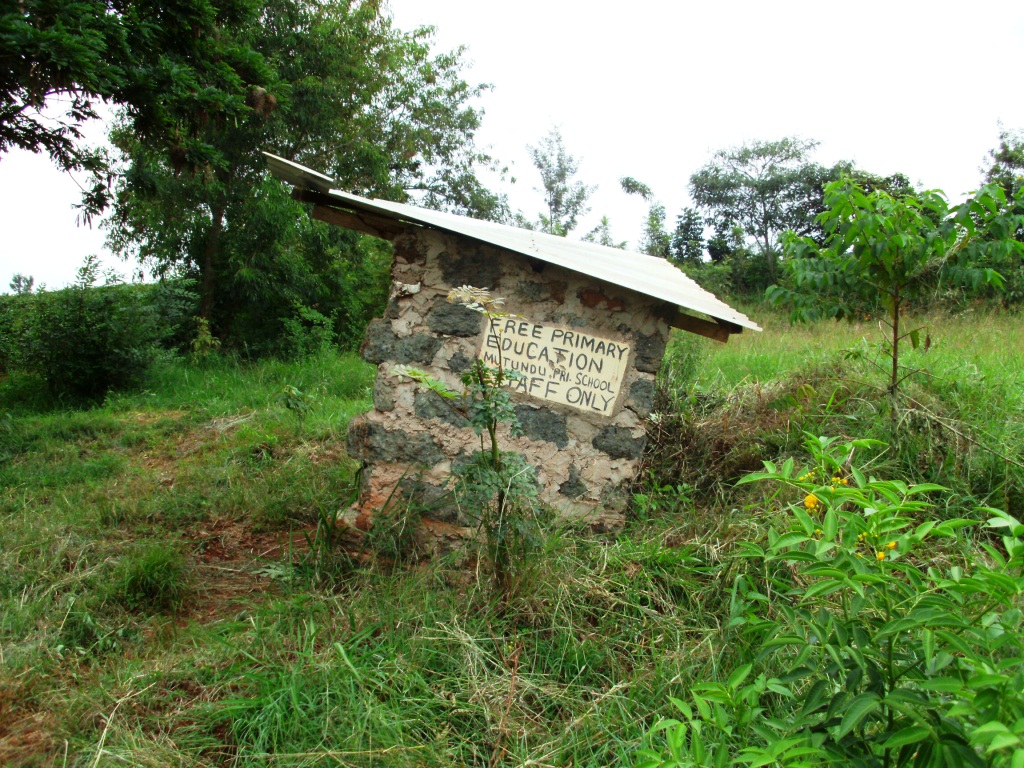
The toilets that were used by the teachers have collapsed and can not be used. Want to teach here?

Dan sent photos. I have seen other latrines like this in Africa and remember the smell. Just looking at the photos almost made me gag.

The girls’ toilet. No further explanation necessary.

How on earth can you teach young people the health advantages of using clean sanitation facilities and hand-washing when the school toilets look like this?

The school has requested $5000 to build new toilets – ventilated drop toilets that are 30 feet deep. There will be 8 stances for the boys, 8 for the girls and two for the teachers (about $250 for each unit).  They will also install some rainwater catchment gutters on the school building to help promote hand-washing.  Hand-washing has been demonstrated to be as effective as clean drinking water to reduce disease from fecal contamination.

The CanAssist board has yet to review this proposal but I can’t imagine that we will not approve of this project.  How can we refuse? This is not only a matter of sanitation and health but also one of simple dignity.