Now look what you have done!

On July 1, I issued an appeal/challenge on behalf of the CanAssist African Relief Trust to raise money to build two classrooms at the Hope School in Mbita, Kenya on the shores of Lake Victoria.

The Vancouver-based Sasamat Foundation had offered $10,000 and up to another $5000 to match 2:1 donations that were received from CanAssist supporters to build the school.

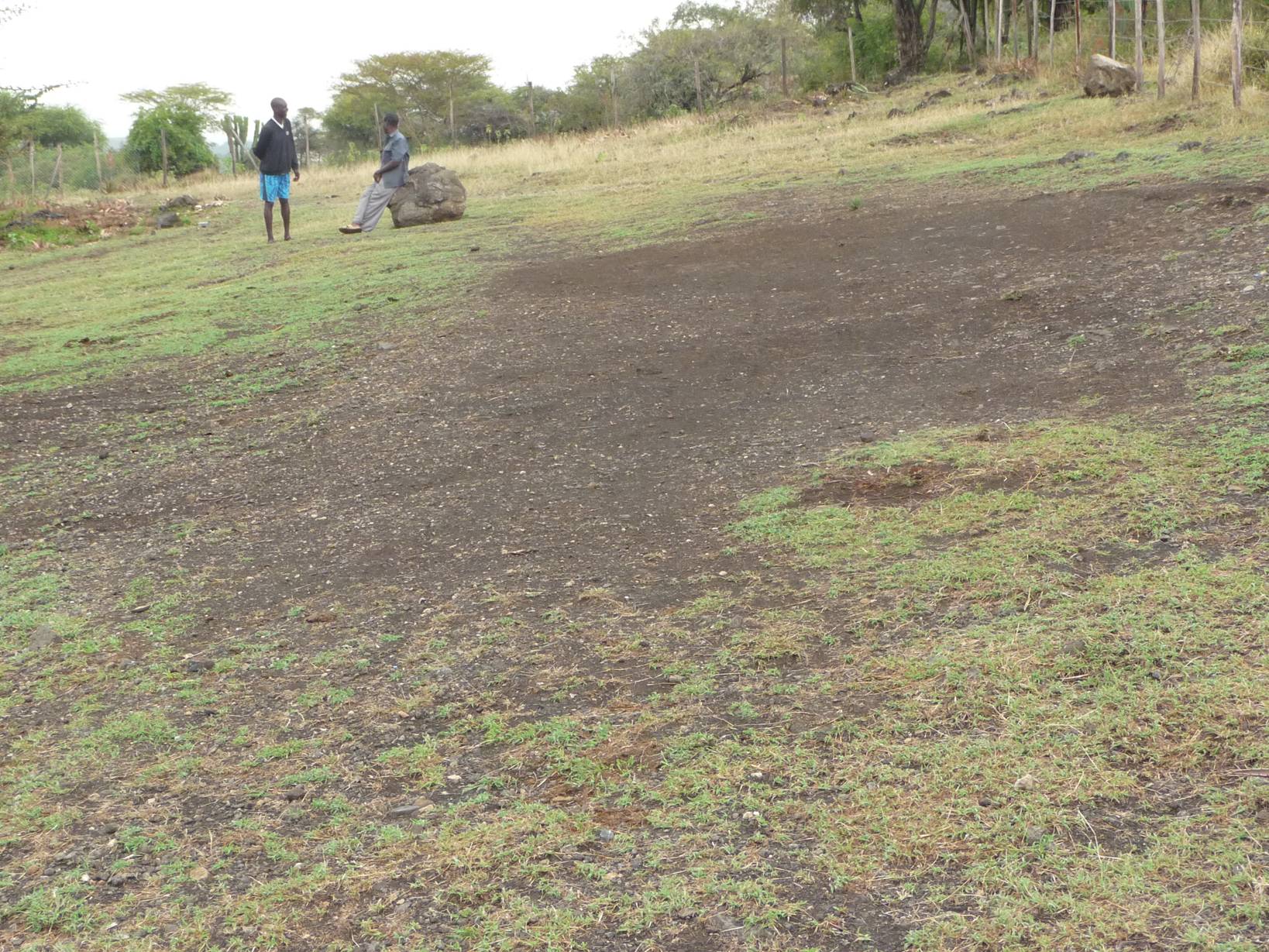
This is the schoolyard of Hope School in mid August 2012. The site of proposed CanAssist classrooms.

By the end of July we had reached our goal and in late August the money to start construction was sent to the Hope School.

The CanAssist Hope School Classrooms are coming along in leaps and bounds. I could not believe my eyes when I received photos today of the construction under way. The barren piece of ground in the schoolyard is quickly being converted into a learning setting for the children of this community who have previously been taught in a rudimentary building or under a tree. Most of the children in this neighbourhood are disadvantaged and some have simply not been able to attend school even up to age 9 or 10.

The CanAssist Hope School Classrooms are coming along in leaps and bounds.

This project will transform the community for these kids. And as I have mentioned previously, this not only provides the classrooms for the children, it gives some employment to local workmen who struggle to find employment.

Thanks to everyone who rose to the challenge. I hope you are gratified with the way that your gift to these children is working so quickly. I look forward to visiting this school in early February and participating in a Grand Opening celebration.

Read earlier blog posts about this project here:
A Canada Day Challenge
Canada Day Challenge Met.

My thanks, as well, to Kennedy Onyango for the photos and for the ongoing responsible supervision of this project.

Not just new latrines

I’m delighted to have received further updates about the sanitation improvements that CanAssist is funding at the Mutundu Primary School in Kenya.

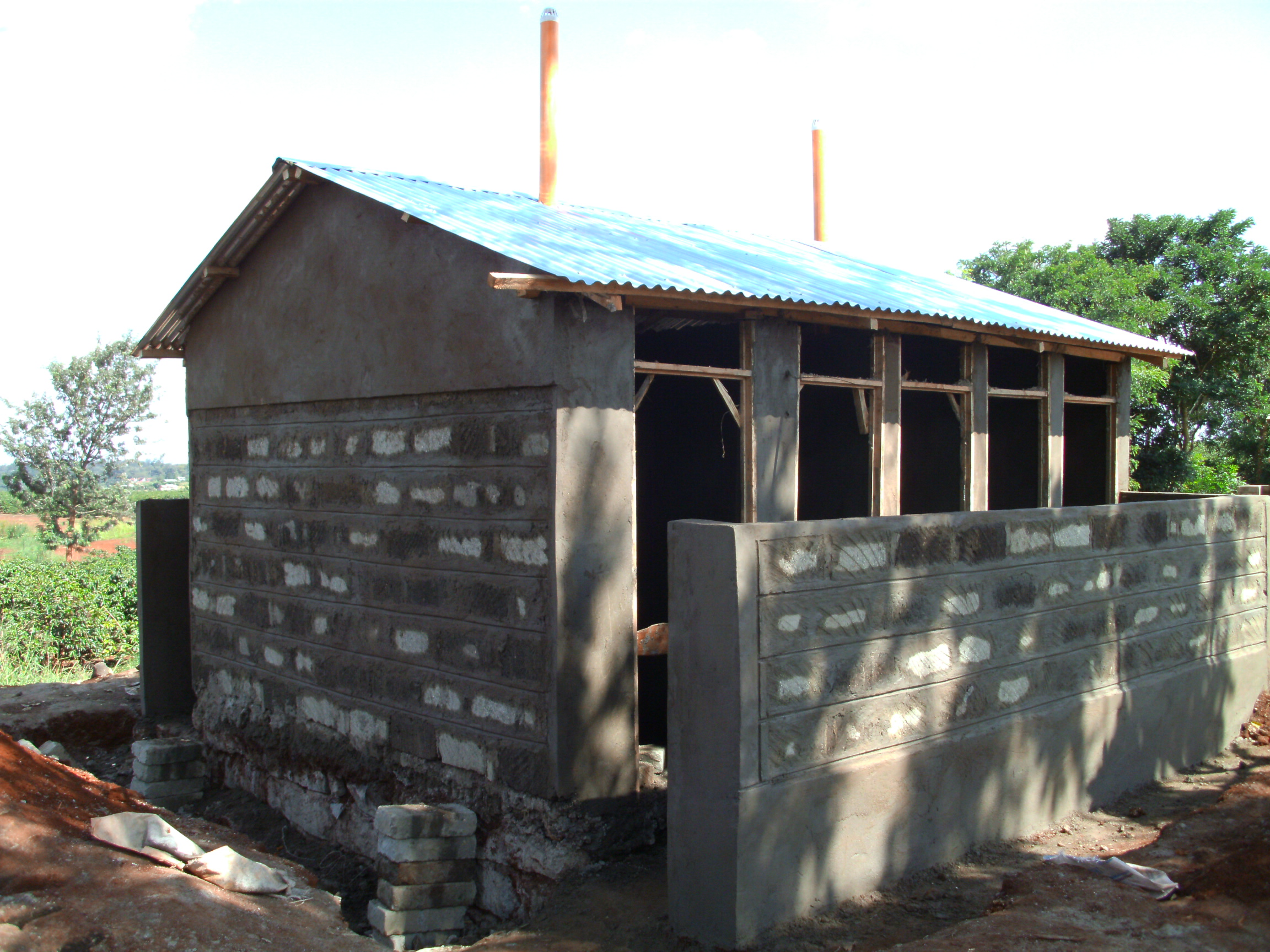
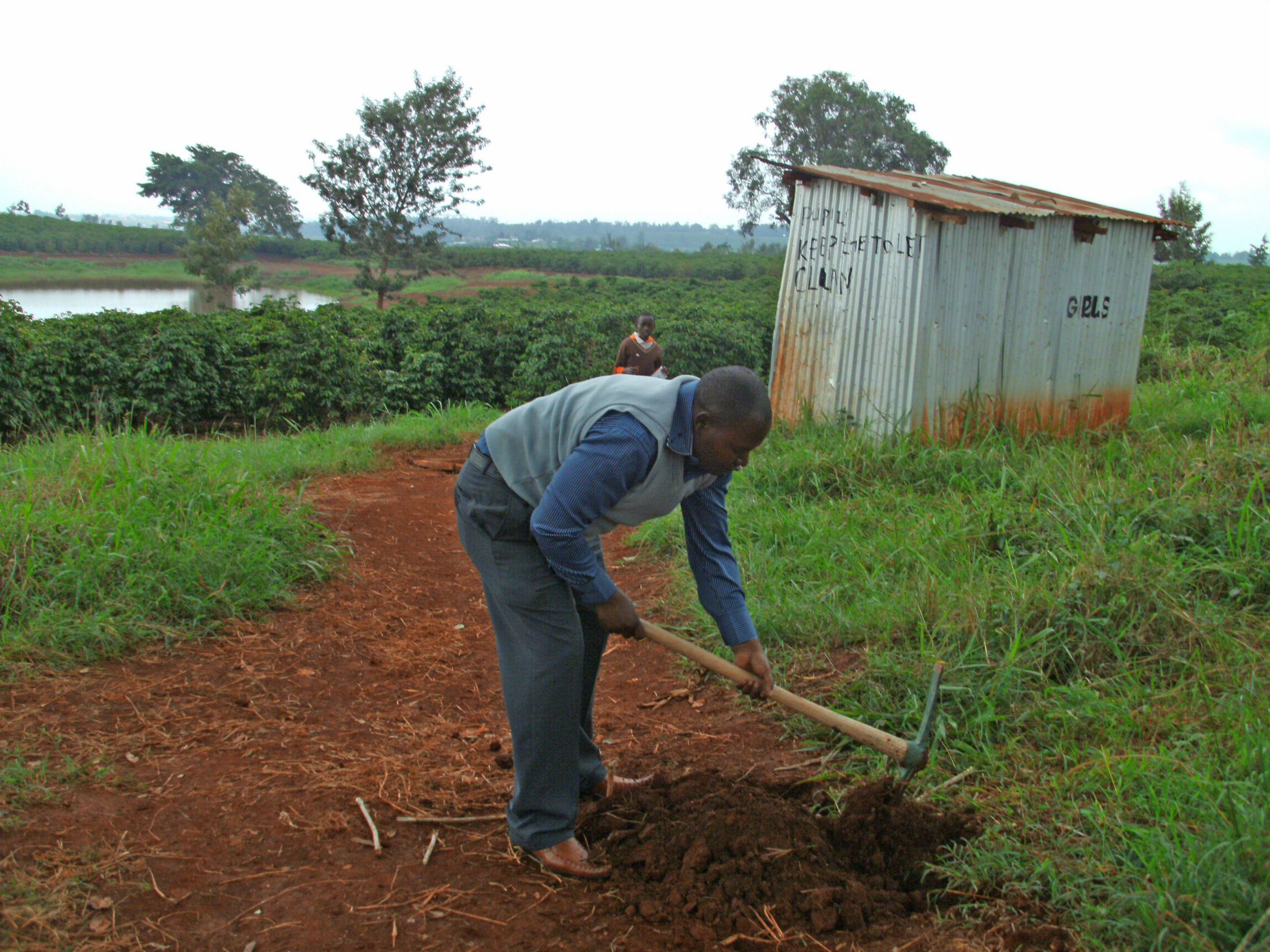
Toilet for girls at the Mutundu School – Spring 2012

I first wrote about this in a blog article in June (Sanitation – or lack of it) and subsequently updated it last month (Sanitation – Making progress) As you can see from the photos, the state of the toilets for staff and students at the school when our Kenyan assistant, Dan Otieno, assessed them was nothing short of disgusting.

Last week I received more pictures of the new latrines at the Mutundu School I would like to share along with some hidden advantages to the community from the kind of development work we are doing through the CanAssist African Relief Trust.

New CanAssist-funded girls toilet at Mutundu School. August 2012

I have come to realize that often the stimulus to a community provided by the funding of an infrastructure project such as this one has other less obvious benefits. The materials for construction are all locally purchased and the skilled (and unskilled) labourers to construct the projects are local tradesmen, often without much work. So we are not only providing the structure or item that will be part of the community and improve well-being there, we are also giving some employment to the locals, albeit temporary.

CanAssist recently sent money to another school in Uganda – Hope for Youth School near Mukono – to purchase 70 desks and chairs for the school. The cost comes to just over $5000 to do this. The bonus is that the desks and chairs will all be made locally by carpenters who will therefore benefit as well. This is a Win-Win situation. The school gets the needed furnishings and the local carpenters (and suppliers) benefit from the business.

It makes me happy to see this work at the Mutundu school progressing, knowing that the sanitation (and thereby health) conditions at the school will be greatly improved. I am also glad that the community are having some opportunity to participate in the construction and even earn a bit of money as they contribute to achieving these goals.

When money for infrastructure projects like the latrines at Mutundu School becomes available, it creates lots of interest in the community, a sense of ownership of the project and employment for tradesmen in the region.

A letter from Ivan – Kyabazaala, Uganda

My daughter recently pointed out to me that I was fortunate to be the recipient of most of the feedback from the communities in East Africa that we help through the CanAssist African Relief Trust. She’s right. How can I share that with other supporters of CanAssist?

I do consider myself lucky to have been able to visit the schools, clinics and communities that have been supported, in one way or another, by the CanAssist African Relief Trust…or rather by the donors who give to CanAssist to keep our activities afloat. One of the appeals to our donors is that we pay no Canadian salaries, travel at our own expense and therefore every donated dollar is spent by Africans in East Africa. The cost to us as volunteer travellers, however, is repaid ten times over in the wonderful experience of interacting with our friends in Africa.

Recently a group of Canadians who are supporters of CanAssist visited the B.L.K. Muwonge Secondary School in a remote, small Ugandan town called Kyabazaala. One of the students at the school sent back a letter of thanks to CanAssist supporters. I thought it only appropriate that I share this. I hope you find it as motivating as I do to keep doing what we are working toward to help communities in Kenya, Uganda and Tanzania with their infrastructure needs.

Students at the B.L.K. Muwonge Secondary School in Kyabazaala, Uganda write exams in a building that was constructed with funding from the CanAssist African Relief Trust.

(I don’t know if Ivan’s letter will reproduce well in the blog so I have also uploaded a pdf file of the letter here.)

Canada Day challenge met!

A huge THANK YOU is in order for everyone who responded to the Canada Day Challenge I wrote about in this blog on July 1. Through your generous donations and a bonus from the Sasamat Foundation in British Columbia, CanAssist has secured the money to build the two needed classrooms at Hope School in Mbita Kenya. Everyone is delighted. I will be sure to provide updates as the school classrooms rise from the dust.

Kennedy Onyango is our contact and the founder of the Hope School. I first encountered him in July 2010. He exemplifies the typical story of relatively ordinary Africans (but motivated ones) who see a need in their community and they dedicate their personal resources and time to finding ways to improve the plight of the people who live around them.

In Kennedy’s case this was to help vulnerable young children in his region – kids who lived in poverty or were orphaned – get a start at being educated. He founded a “school” which is divided into two locations. One is in two crammed classrooms behind a bank in the town of Mbita and another on a larger property in the hills beyond the town. There are 160 kids who come to these makeshift classrooms.

In addition to giving them education, the school also provides a mid-day meal for the children. Sometimes this is the only food that they get for the day.

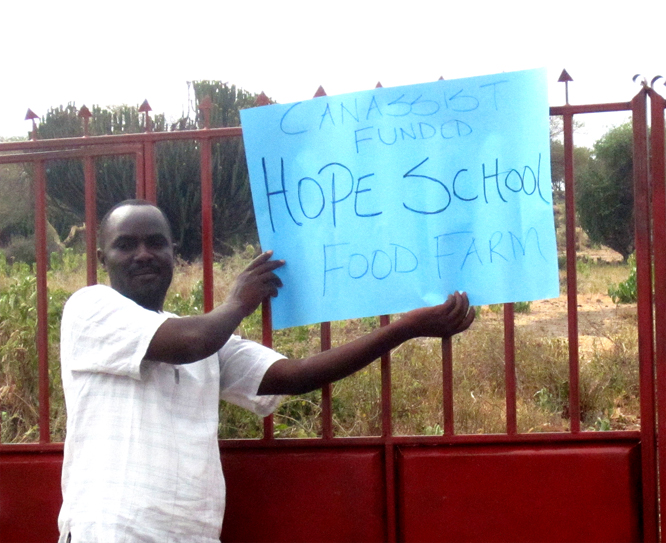
Kennedy Onango holds up a sign that marks the beginning of the CanAssist Oasis of Hope Garden for the Hope School at Mbita Kenya

Kennedy first asked CanAssist to help develop a small farm where they could raise vegetables and fruits to supplement the otherwise bland gruel diet provided to the kids. In early 2012, CanAssist gave the money to start this up and very soon Kennedy had created what he calls the “Oasis of Hope” on the rurual school property.

In mid July, I got this report from Kennedy. It surpassed my expectations for success in the early months of developing this garden. Kennedy writes:

This month in CanAssist funded ‘Oasis of Hope Garden’, we take a deeper look at this farm, which is celebrating its first harvest. In a single 3 month production cycle, 480 kilograms of sourghum, 120 kgs of beans have been harvested so far from a 2 acre ploughed open farm. The same 3-month production cycle is also projected to yield a 120 kilogram of maize (corn). This has clearly reinforced our earlier thought of making the garden both food granary and source of funds to support key school operations. It’s true, a good income can be realized from the selling of sourghum.
Why is this important? 140+ children at Hope School have never had an opportunity to drink nutritious porridge from the initially barren school farm yard. Rural peasant families of Mbita don’t have the money to take a chance on unproven technologies. Demonstration farms like the CanAssist funded ‘Oasis of Hope Garden’ give families a firsthand look at the income increases they can achieve with an investment in appropriate technologies for improved on-farm yields
You can see how CanAssist’s approach of working with poor, marginalized rural communities of East Africa transforms lives on our first ever bumper harvest in this school farm.
We remain appreciative for CanAssist supporters and with special thanks to Sasamat Foundation for having donated funds towards classrooms construction at Hope School, besides nutritious meals, the children will now get conducive learning environment!”

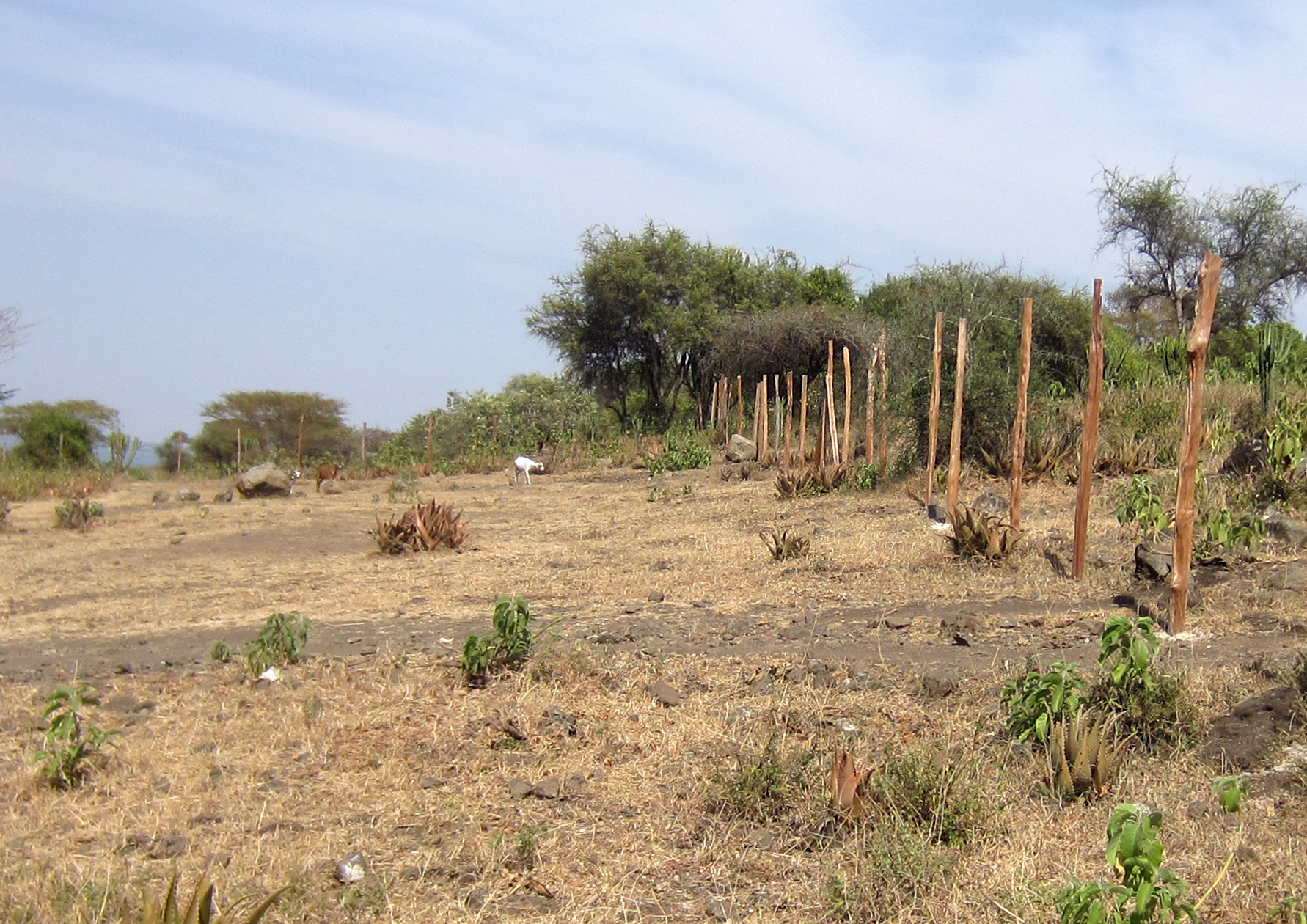
The first step in creating a garden was to fence the property to keep protect the garden from wandering neighbourhood goats. This dry corner is the same place where the banner picture of maize plants was taken three months later.

I hope that this enthusiastic endorsement of the work that we are doing through CanAssist makes our donors smile with satisfaction. With the support of Canadian donors, Kennedy and others in his community have been able to take a barren piece of land and turn it into a veritable Oasis of Hope for the children at Hope School and those who live around it. We are making a difference to individuals and communities in East Africa. Asante sana for your help in achieving this.

Hot off the press

Kennedy Onyango from Mbita Kenya, has sent along this photo of the celebrations happening now at the Kanyala Little Stars school on Rusinga Island. CanAssist and her supporters are most pleased to be a virtual part of this special Day for the school.

20120725-104645.jpg

Another “Big Day” for Kanyala Little Stars

One year ago, twenty Canadian supporters of the CanAssist African Relief Trust joined the children and staff at Kanyala Little Stars School on Rusinga Island, Kenya to celebrate the “opening” of the school farm. With a lot of hard work by the Kanyala team, financial and moral support from CanAssist, and a sprinkling of engineering advice from Canadian Andrew Forsyth, the school turned a dry open field into a lush garden that now produces vegetables and fruits to support the school, both nutritionally and economically. Some of the initial challenges included getting water to this dry property, fencing it to keep the hippos from ravaging the garden at night and enriching the soil to make it fertile.

This week, I received this email message from Mama Benta Odhiambo, the director of the Kanyala Little Stars School :

“I am writing to share with your honourable self and the CANASSIST-Canada Team that we are planning for a Big Event on Wednesday 25th July 2012 to celebrate the 1st Anniversary since our Farm’s launching by CANASSIST. This day-long event will bring together key local goverment officials and local groups and community members to see for themselves how the farm has changed from a drought-strickened, barren Land to a green, beautiful heaven with variety of fruits,trees and crops.

We will also hold a big celebration for the orphans and the Little Stars children, where they will be given fruit salads made from our farm produce on that day.

The Canadian flag will be raised high on that day both at the farm-gate and in the school to show our gratitude and appreciation to CANASSIST and the people of Canada.

We owe you alot and would feel happy if you allow us share this success wih the government of Kenya,locals groups community and the children.”

Val Horsfall and Erin Firlotte ride with students of Kanyala Little Stars School to the School Farm where the school and their visitors from Canada celebrated the official opening of the farm project on July 25, 2011.

There has been another remarkable surprise. The CanAssist farm and the hard work of the Kanyala team has been internationally recognized. Last month, Mama Benta attended a conference in Geneva, Switzerland to present the CanAssist Kanyala farm as a model for mitigating the effects of drought on food security in Sub-Saharan Africa. Quite a change for Benta to go from rural Rusinga Island to an international meeting in Geneva.

Africans know what to do to improve their lot. They do, however, lack the financial resources to put their plans and dreams into action. CanAssist is happy to be able to provide the needed spark to ignite this development. Following the Kanyala success, CanAssist has also started a second school garden in the Mbita region. The school has named it “The CanAssist Oasis of Hope”.

Congratulations, Kanyala Little Stars, on your success.

This week, several of the Canadians in the group that visited the farm a year ago gathered for a reunion of their own. They were happy to record greetings and messages of congratulations to their friends at Little Stars in Kenya and send them through is short YouTube video.

CanAssist supporter, Susan Potvin, interacts with children at the Kanyala Little Stars “Big Day” on July 25, 2011 when the school celebrated the official opening of the Kanyala CanAssist Farm.


Sanitation – making progress

A month ago, I wrote in my blog about the need for latrines at an elementary school in Kenya – “Sanitation – or lack of it”.

The CanAssist African Relief Trust board approved of this project and sent money (about $5200 Can) to the school last week to start construction of latrines for the school with 8 stances for girls, 8 for boys and 2 for staff. This will be a huge improvement in the sanitation for the school,

Today, I received photos from the community showing that their construction has already started. Once these people have the funding, they dig right in (literally) to get the job done.

It will be delightful to follow this project through to completion. Congratulations to the community for your enthusiastic initiation of this improvement to your school.

Thank you to Michael Gichia of the Murera Community Empowerment and Support Organization for the photo updates.

The story of Jerry O.

(Published in the Kingston Whig Standard – July 18, 2012.)
My friends told me that I needed an updated photo for my Facebook page. I have been a somewhat reluctant Facebook user but I recently attended a conference for charities on behalf of the CanAssist African Relief Trust and the message was that “conversation and collaboration” are now the keys to successful charities and fundraising. And Facebook, with over eighteen million users in Canada … half our population … is the way to communicate in 2012.

So I opened up my previously fairly clandestine Facebook account to the world, started a blog and I am going to give it a good try in the next few months.

I had been using a photo of the Rift Valley as my profile picture. “Not good enough,” was the response. “It has to be a photo of you. People will communicate with you because of common interests so they have to see who you are.”
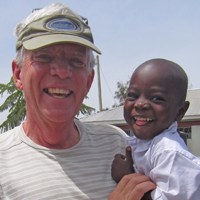
I compromised. I found a picture that was taken last winter when I was in Kenya of me and an African child. I have always liked the photo. But I knew little about the child.

It was taken at a very small school in Mbita Kenya, one where we were working to start a school farm. There were kids everywhere. Playing and running and singing. Many were curious about this “mzungu” who was standing in their midst with a camera. One little fellow was particularly eager to be near me. He followed me around for a few minutes, sometimes holding on to my pant-leg or “petting” my hairy arms. (African men usually have little or no hair on their arms so my furry forearms are a novelty that many African children cannot resist. “You are like a lion,” one kid told me a couple of years ago.)

I was drawn to this little fellow’s smile and after a few minutes I picked him up and carried him around as I greeted the other children. He beamed. I gave my camera to one of the teachers to take our picture. You can see joy on both our faces. We became friends quickly and were relishing the new-found bond between us.

This photo has become a symbol to me, representing the happy association that I cherish between me and African people, particularly the children.

So I put it up on my page. I immediately had comments and “likes” for the photo. It seemed a good choice.

Later that morning I happened to be chatting with the Director of the School in Kenya using Skype. I asked if he could identify the child.

His name is Jerry Otieno,” I was told. “Fantastic,” I thought. Jerry sounds like such an active, outgoing name and suits the smile that I remember. And Otieno is a very common Luo man’s name meaning “born at night”. I have dear friends with that name in Kenya. It seemed perfect.

What a sad case,” continued Kennedy.

This poor little fellow was brought to our school by a teenage caregiver. He had no money for school fees or food. He is about 4 years old. His mother worked for another woman in town as a housekeeper. She got pregnant and there was no father in the picture. Last year she became ill and was taken to a hospital in a neighboring town. She died there. Her body rots in the mortuary of the hospital, unclaimed. Jerry is being looked after by the woman for whom the mother worked but she has children of her own and cannot afford his care.

We have taken him into Hope School and support his education. He gets one meal a day here. He loves school, walking to school himself most mornings.

I was startled by this story. I had picked this photo because I thought it was upbeat and the child in it the epitome of a happy African kid. I have seen lots of heart-tugging photos of emaciated children covered with flies used by charities to promote their cause. I don’t want to use those images to portray African children because even though their stories would break your heart, most of them look like little Jerry. They are smiling and cuddly and loving and resilient.

The Hope School is one that CanAssist supports. The school has about 150 students ranging in age from about 4 to 12. Most of them are categorized as “OVC’s” (Orphans and Vulnerable Children). The teachers work at the school for little remuneration and the school struggles to provide both education and one meal of porridge a day to these kids. CanAssist has helped the school by providing funds to start a school garden that will both provide better nourishment to the students and perhaps a bit of extra income for the school to help with expenses. Children who can afford it, pay about $8 a month as a school fee. But at least 30% cannot afford even that and are included with no fee.

Jerry’s story shook me but it is not that different from many others I have heard. I still think about little Rose, the Ugandan waif that got me started with this business of trying to help out in Africa. Now Jerry has added motivation to my work through CanAssist and I will leave his picture with mine on my Facebook page to remind me — and my Facebook friends— of the happiness that can come from helping where you can and the joy that just caring brings to others.

Roofs or Rooves?

No wonder English as a second language is challenging. Sometimes I have trouble with it myself.

I wanted to write a blog item about two projects that CanAssist has funded recently in Kenya and Uganda. Both were to construct a roof on a building. So there are two roofs. Does that seem right? When I say the word, it sounds like “rooves” – but then that doesn’t look right either. The plural of hoof is hooves; thief, thieves; half, halves; but rooves? My word processor spell checker rejects this spelling. So I looked it up. It turns out that either spelling is correct, but that “rooves” is the archaic form. I’m not sure whether to take that as a complement on my historical knowledge or an insult that I am getting to be…archaic.

Regardless, it seems that the roofing business has been stimulated by two projects in Africa, thanks to CanAssist.

The first was for St Gorety Secondary School in Nyatike District of Kenya. As often happens in Africa, this community received some funding for a needed classroom at their school from a local governmental initiative. CanAssist was already building one classroom so they thought that they would add the second at the same time to save costs. Unfortunately the grant only covered the cost of the floor and walls. The second classroom was left without a roof and the community did not have access to the $3500 needed to put one on.

They became worried. Bricks that are used to make these buildings are all locally made and if not protected with a roof when the rains come, the structure may become damaged. Students at Loyalist Collegiate and Vocational Institute (LCVI) and Kingston Collegiate and Vocational Institute (KCVI) heard about the plight of fellow students in Kenya and took up the cause. Through their fundraising efforts, CanAssist has received donations that will cover the costs…and cover the building. It didn’t take long for the Kenyan school to get moving with this once they knew the funds would be available. This week I received notice that the roofing is completed and the classrooms are able to be used. The Kingston secondary school students, through their Quarters for Classrooms campaign were able to raise the roof!

Volunteers from Queen’s Health Outreach celebrate the completion of CanAssist funded classrooms at the St Gorety School in Nyatike District, Kenya. Students from LCVI and KCVI in Kingston raised the money to “raise the roof” on this building.

In addition, in early June, a group of CanAssist supporters from Kingston and Whitehorse Yukon (yes we have supporters across Canada) headed to Eastern Uganda to visit two communities there where CanAssist has funded projects at schools and a clinic. These travellers managed to raise about $9000 in donations which were spread between a secondary school in Kyabazaala, Uganda and the Olimai Health Centre. The clinic needed equipment but the priority was to put a roof on a new building for the facility. Like the St Gorety School, walls had been constructed but the money to roof the building was not there and the concern was that the structure would become degraded by rain and weather the longer it was left uncovered. In early June, I sent the money for the project. The Olmai Clinic in Uganda was quick to put CanAssist money to use to roof their new building. Last week photos arrived of the roofing completed. When these folks get to work, things happen quickly. The new structure, along with other improvements that have come through CanAssist, will raise the status of this facility from a Level 2 to a Level 3 clinic – thereby qualifying it for increased programming for the community.

The Olmai Clinic in Uganda was quick to put CanAssist money to use to roof their new building.

So, the work has been done. The school and the clinic have new buildings completed thanks to the generosity of Canadian supporters of the CanAssist African Relief Trust. Now all that is left is for me to decide – roofs or rooves in the report. Since my spelling checker rejects the latter, I will go with roofs. And bring myself into the 21st century.

As a reward for making it to the end of this post, here is a CanAssist Youtube video about the St Gorety School roof project with music by the St Gorety choir. Mission Accomplished.

Canada Day in Africa?

We may have been busy celebrating Canada Day in Canada but would you imagine that it is a special day in some African communities as well?

I received some great pictures from the Hope School in Kenya this week.  This school is the one I blogged about last week – the Canada Day Challenge.  I spoke with the Director of the school on the weekend and advised him of the generous donation from the Sasamat foundation towards classrooms at the school and he was ecstatic. 

“We will all celebrate Canada Day and the generosity of your Canadian friends at the school on Monday when I announce this gift to the staff and students.”

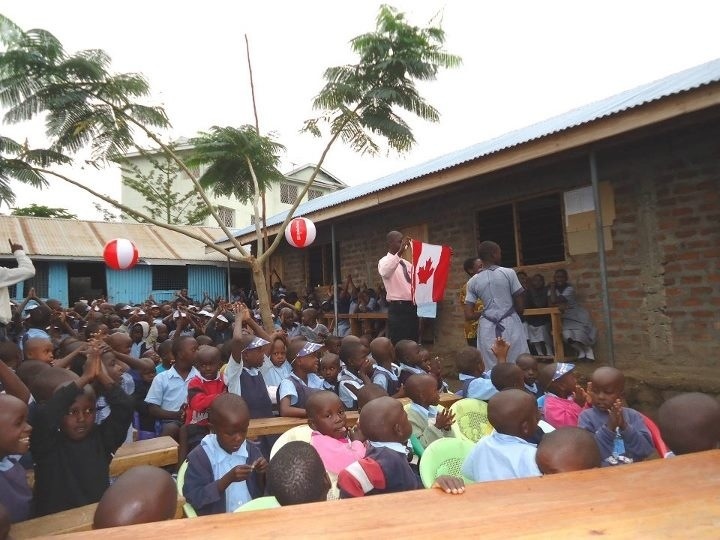
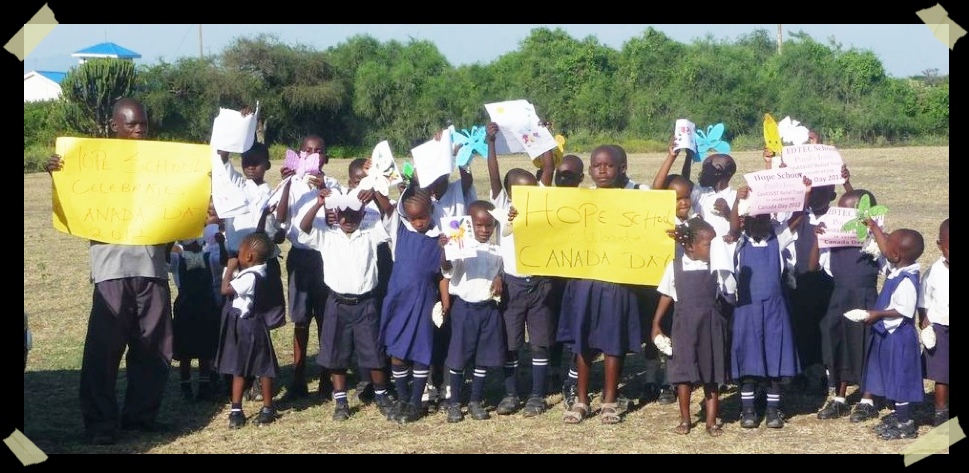
Children at the Hope School in Mbita Kenya, celebrating Canada Day 2012.

On Monday the children gathered to celebrate their Canadian sponsorship and express appreciation. With home-made signs they gathered for juice and acknowledgement of the help their Canadian friends have offered. 

But there are Canadian flags flying elsewhere in East Africa as well, thanks to CanAssist.  

A group of CanAssist supporters recently returned from a visit to Uganda and sent me photos of their trip. Included was one of the Canadian flag that flies proudly over the school compound.  When I visited the school last year, the principal laughed and said “That Canadian flag is made of nylon and it flies well in the breeze. Our Ugandan flags are heavier material and it takes much more wind to get them going.  So Canada is always brightly represented even when our flags are limp.”

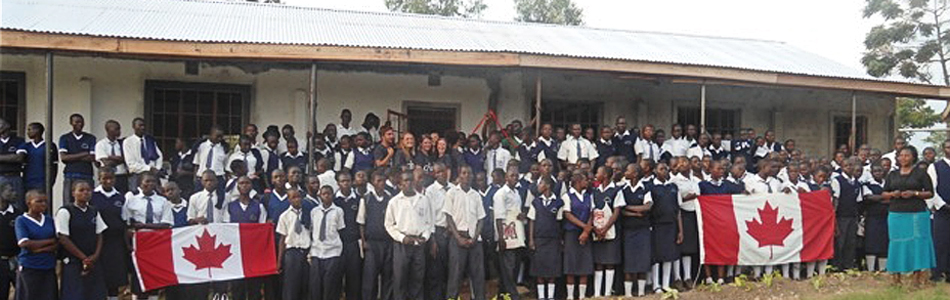
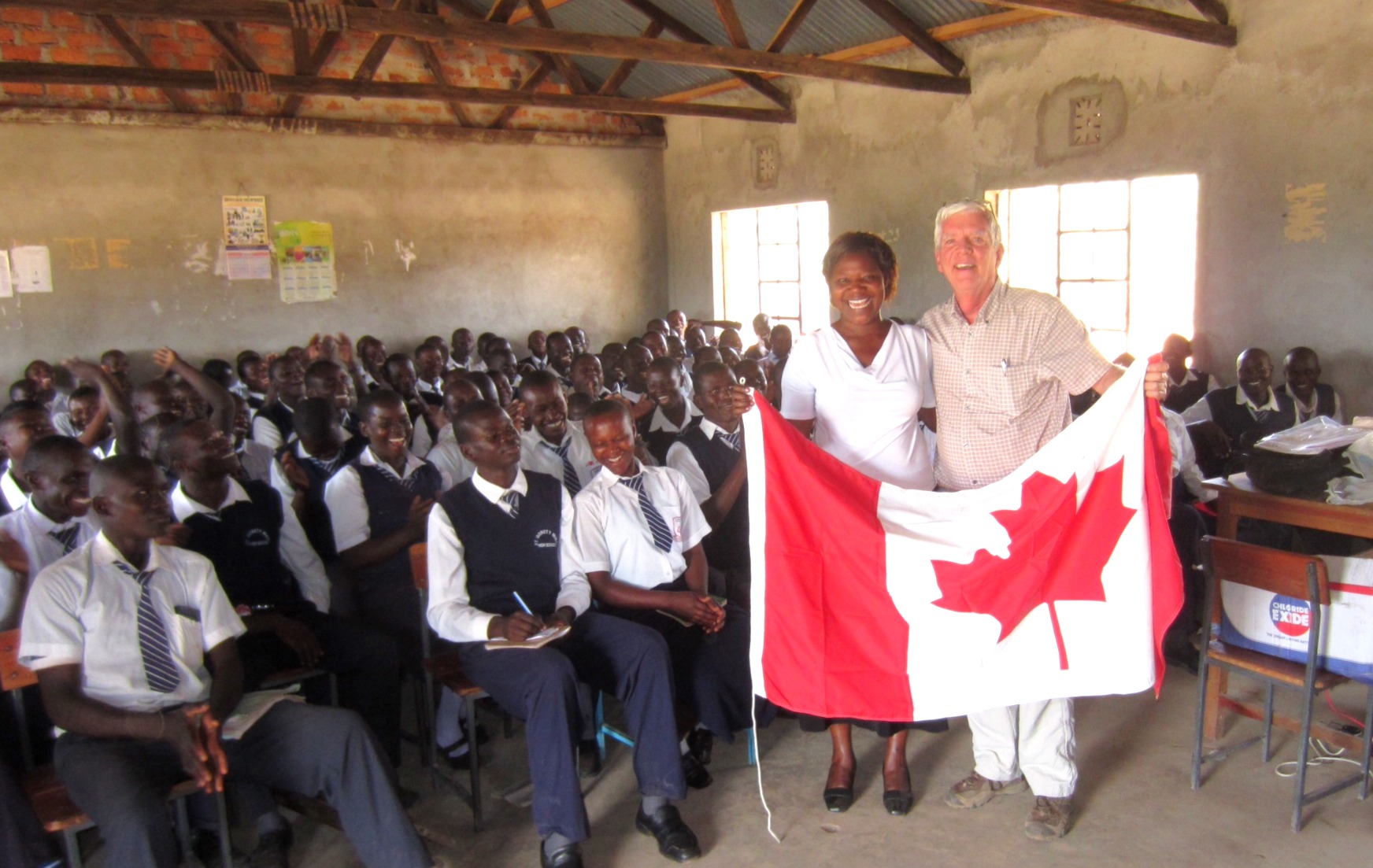
The St Gorety Secondary School receives a Canadian Flag, and support for two new classrooms at the school.

When I visited the St Gorety High School in Nyatike District of Kenya last year, I took with me a flag for the school – one that was sent by Virginia Puddicombe, a teacher at KCVI in Kingston.  Virginia also sent along photographs and letters from Canadian students to their counterparts in Kenya and the Africans have sent greetings back.  A kind of pen-pal relationship has begun. We hope that, in this digital age, some face-to-face interaction can happen through Skype and the Internet.

While we proudly celebrate Canada here, there are people around the world who also pause to be grateful for the generosity and support that Canada and Canadians offer to them.  

Oh, Canada!

P.S.  We have raised about half the $2500 necessary to get the Sasamat promise of another $5000 for the Hope School. If you have not yet takent the opportunity to help us reach this goal in July, more information about how to contribute is available on the CanAssist Hope School web page.

The children at Hope School celebrate Canada Day in appreciation of the generosity of their friends in Canada who have supported the school.