More Ugandan Safari photos

Here are a few more photos of the wildlife we saw last week in western Uganda.

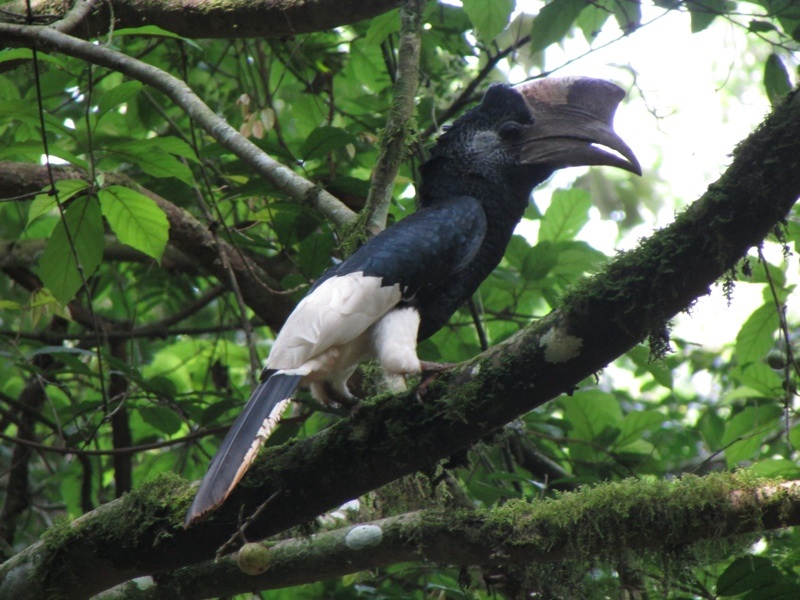
Hornbill in Kibale Forest

Hornbill in Kibale Forest

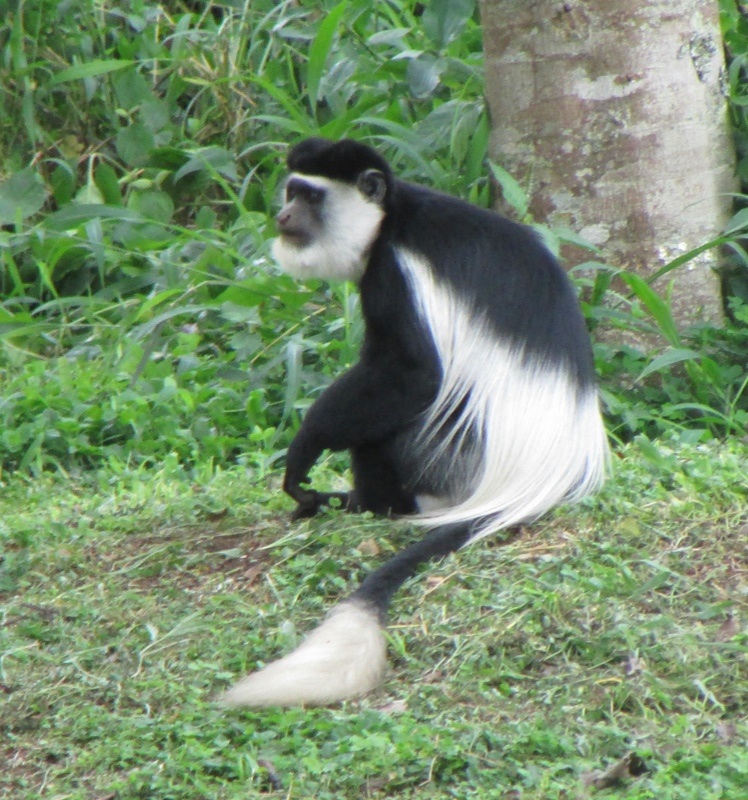
Black and white Colobus monkey in Kibale Forest.

Black and white Colobus monkey in Kibale Forest.

Giraffes by Lake Albert

Giraffes by Lake Albert

Waterbuck in Murchison Park

Waterbuck in Murchison Park

Crowned Crane at Ziwa. Uganda's national bird.

Crowned Crane at Ziwa. Uganda’s national bird.

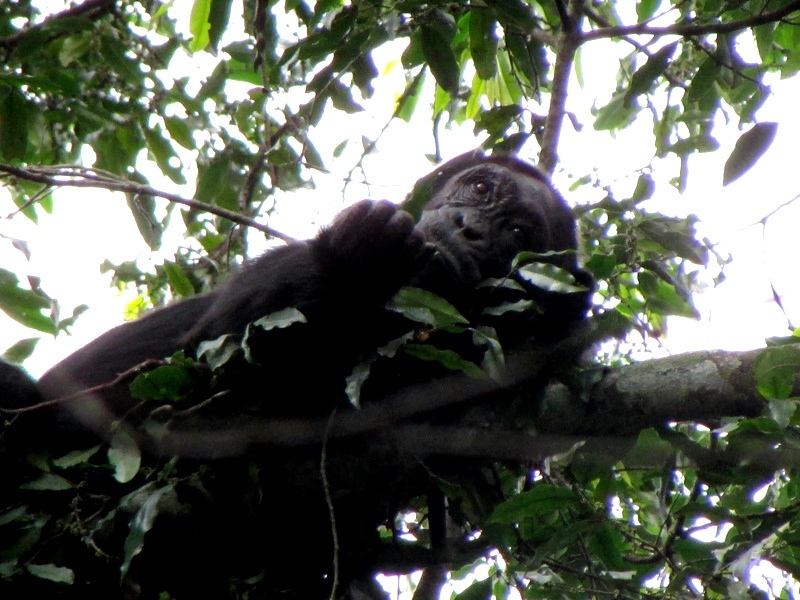
Chimp in Kibale Forest

Chimp in Kibale Forest

Great Blue Turaco

Great Blue Turaco

Biodiversity

One of the delights about coming to Africa, apart from the wonderful, friendly people, is the opportunity to see African animals in the wild. I never tire of a game drive or trek to be able to view animals in their natural habitat.

Usually one thinks of the Maasai Mara in Kenya, the Serengeti and Oldavai Gorge in Tanzania or even Kruger Park in South Africa but there are opportunities to see game in western Uganda as well.

Last week I traveled from the Kibale Forest region of Uganda near Fort Portal to Murchison Falls Park and was surprised by the biodiversity I encountered. Here are a few photos of animals and birds I saw last week, some unique to Uganda. Does it entice you to come on safari in East Africa?

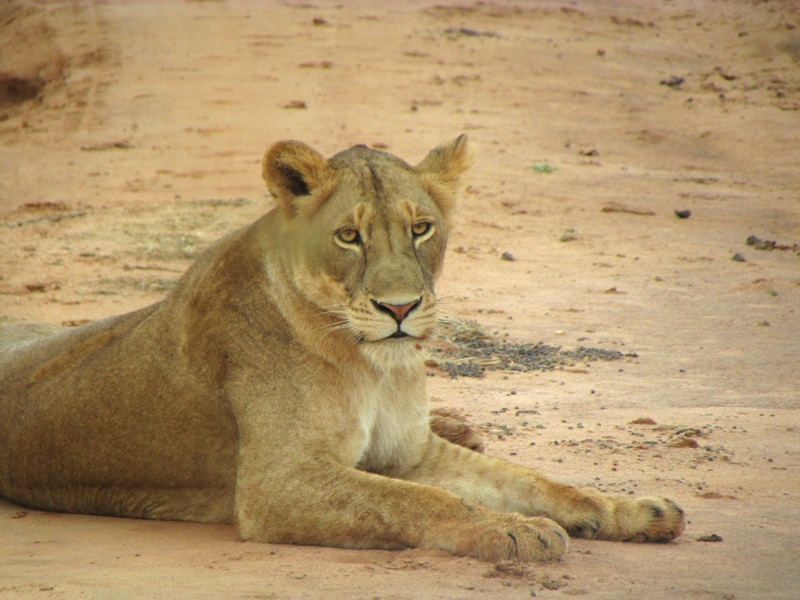
Young female lion in Murchison Park

Young female lion in Murchison Park

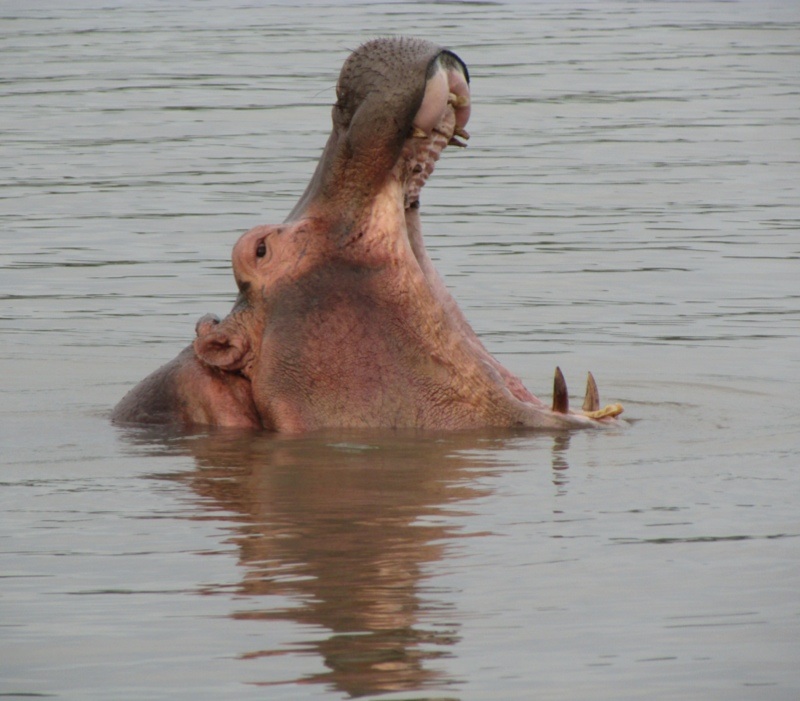
Hippo in the Nile River

Ugandan Kob

Ugandan Kob

Elephant at Murchison Park

Elephant at Murchison Park

Baboon in Kibale Forest

Baboon in Kibale Forest

Northern Red Bishop

Northern Red Bishop

Risk aversion

Over the past several years when I traveled to Africa with students from McGill university, they were always briefed repeatedly prior to their safari about risk aversion. There was an acronym that was drummed into their heads – SSRAB. Never one for learning things this way I could never remember what SSRAB stood for. I did know that the general idea was that while traveling in Africa ( when traveling anywhere unfamiliar, in fact) one needs to be more cautious than usual to avoid putting yourself and your travel companions at risk.

imageNow some people have a greater risk tolerance than others. I am not one of those. I did, once, pay a keeper to let me into a compound with two cheetahs. But I like cats so….

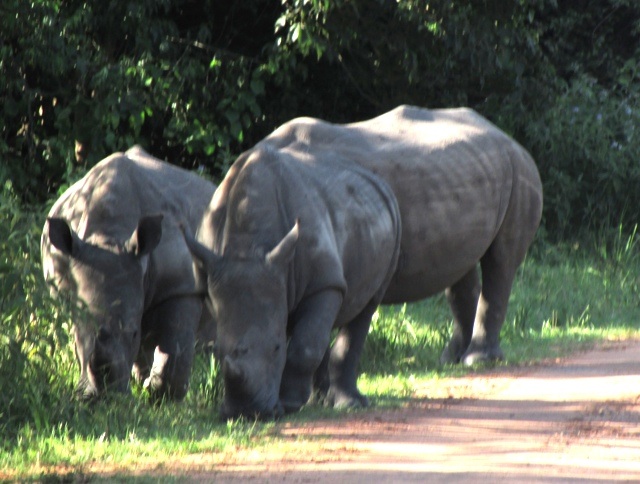
This week I am traveling with a friend in Uganda. One of our stops was at a rhino sanctuary a large park where several rhinos live free in the bush. The hope is that after several years their numbers will increase enough to release some back in to the Uganda parks. Rhinoceroses used to be found in Uganda but over years poaching for their horns reduced their number … to zero,

imagePart of the experience was to hike with a ranger into the bush to find the rhinos. We were warned that they were wild animals and that sometimes they would charge without much warning. Before we went out to the bush we signed a release which clearly stated that the sanctuary will not be responsible if you are injured or killed. Very reassuring. Adult rhinos weigh three tons and can run 35 km per hour. They have that big horn. Our escape, we were told was to climb a tree.

Those of you who know me can imagine me running through the bush being chased by a rhino and looking for a tree to climb. I am more likely to trip on my shoelaces and get trampled. So I was a bit anxious about meeting the animals in the bush.

The night before this we had a bit of a rehearsal. We encountered a hippo in the compound where we were staying. My friend, Dave, who is somewhat less risk averse than I am, found himself a bit too close for comfort as the hippo changed direction and he had to scramble up an acacia tree. Acacias have thorns. Dave spent the next morning picking thorns out of his hands.

imageYesterday, we walked into the bush and ten minutes from the guest house where we were staying, we suddenly came across four huge rhinos chewing grass in the bushes about 30 metres from us. We followed them for a bit and then they turned toward us in the grass and started coming our way. It didn’t take long for me to scoot back to a place of relative safety near a clear path out of the brush but Dave stayed in place, at least for a while. I think he was actually hoping to climb a tree and watch the rhinos pass below him.

All ended well. We survived. The rhinos took a right turn into the brush and meandered in, chomping on grass as the went.

As this was happening, I was blessing my camera zoom which let me get some photos from a safe distance.

The events in Nairobi this past weekend at the Westgate mall bring risk aversion for foreign travel to another level and make the rhino trekking trivial. For months, Western travelers to Kenya and Nairobi in particular have been advised to avoid places like malls and large international hotels or public gatherings because of the risk of terrorist activities.

SSRAB (Street Smart Risk Averse Behaviour is the translation I have dragged up from the depths) is always a good strategy.

Forgiveness…

I didn’t know when I booked the movies I would see at the Toronto International Film Festival (TIFF) this past weekend that there would be a common theme.  Basically the ticket-buying process is a bit of a crap-shoot.  I had a large list of movies that I thought would be interesting but there were time conflicts and availability issues to negotiate.  In the end I got seven of the movies on my list so I was happy.

IT_IS_NOT_A_“NAIROBI_HALF_LIFE”_BUT_IT_IS_“SOMETHING_NECESSARY”!31

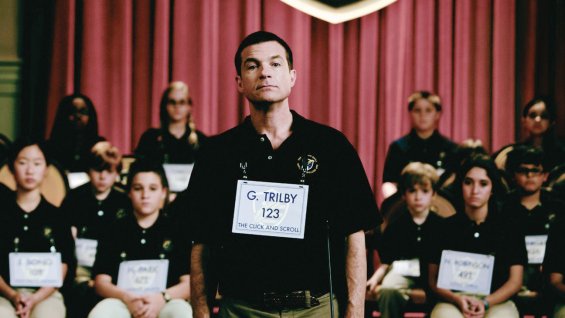
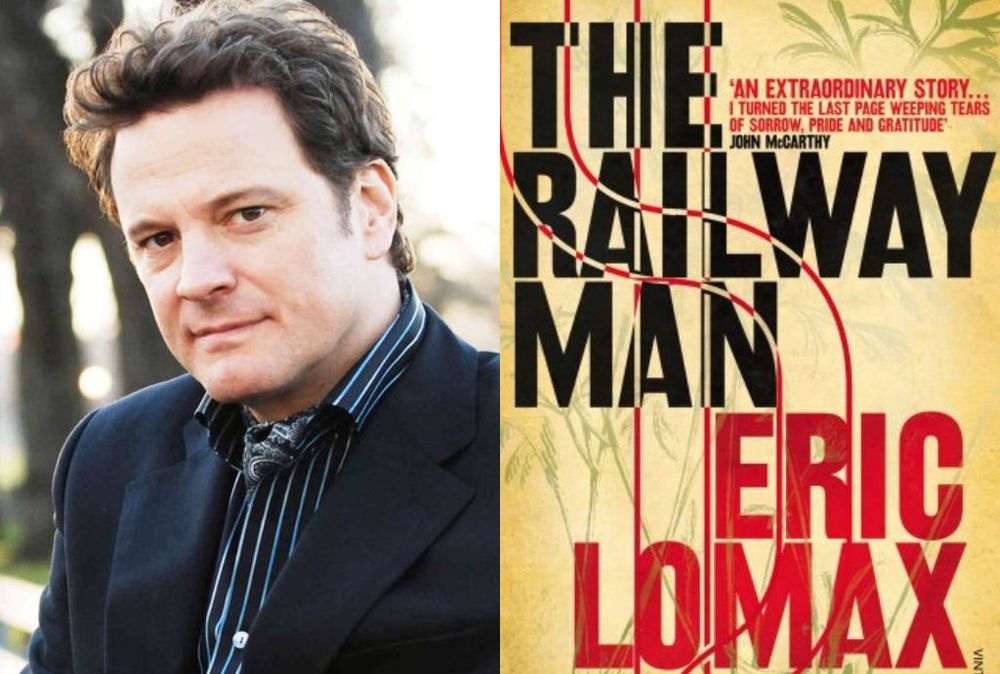
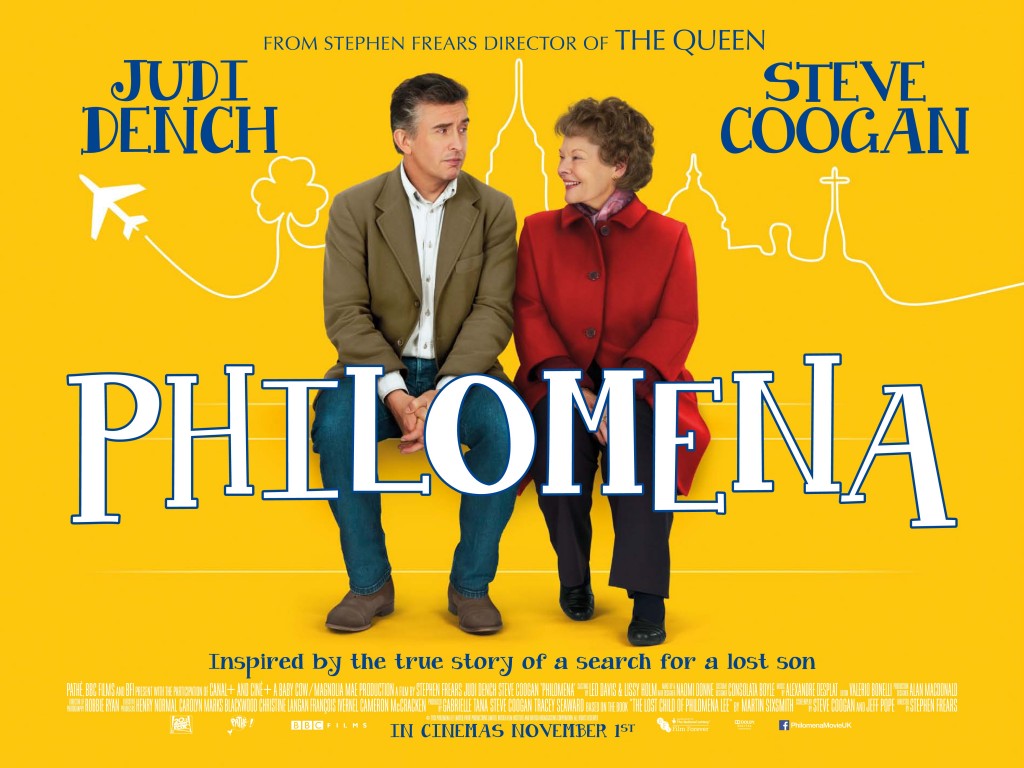
I knew that the film Something Necessary, shot in Kenya was a fictional story but based on the post-election violence there in early 2008.  I also realized that the film shot in Bosnia – FOR_THOSE_WHO_CAN_TELL_NO_TALES_Trailer_109306676_thumbnailFor Those Who Can Tell No Tales – would have a post-war theme.  I knew very little about The Railway Man,  the Dallas Buyers Club or Philomena other than that they had great acting performances by well-known actors. And I threw in two comedies to break the tension – The Grand Seduction (Directed by Don McKellar) and Bad Words (Directed and starring Jason Bateman of Arrested Development fame}.images-1

It was somewhat surprising to me that all the dramas were based on real events.

The characters were fictional in some, but the events were real.  In three of the movies,  the main characters were people who had actually existed and struggled with torture, illness or were horribly mistreated in other ways.

In all the films – even the comedies – someone was wronged. The wrongs varied from being lied to or manipulated to having their child taken away from them but they all revolved around people who  suffered some badwordsrepercussions of having been wronged by someone else.

The dilemma for all the protagonists, that was the force that became central to the film,  was how to deal with the past.  How do you interact with your abuser?  How do you overcome being a victim? Do you look colin-firth-the-railway-manfor revenge or do you give in? Ultimately,  do you forgive?

130830b-grand-seduction

It all came together for me in the last five minutes of those seven movies when Philomena elects forgiveness.  Without giving away the story, she confronts someone who has wronged her badly, ruined her life, in fact. Her companion is angry and wants an apology or some sort of revenge.  But Philomena quietly says something like this. “Yes I have something to say to you. I forgive you for what you have done to me.”

Her angry friend is astounded and asks “Is that all you are going to say? Is that it? Just that simple?

Philomena responds with (and I paraphrase – the screenwriter found just the right words to make it powerful)  “It was not simple. It was very difficult. But ultimately i could live with hate in my heart and be miserable. Or I could forgive.

QUAD_PHILOMENA-1024x768In the other films, the victims responded with everything from trying to get even, to exposing the others for their evil ways, to forgiving in one way or another.

Is this a choice we all have to make at some point?  Will we burn ourselves up with anger, rage and the need for revenge or can we honestly forgive on some level and move on.

The movies I saw at TIFF 2013 not only entertained me last weekend, they gave me lots to think about. I just may have also learned some valuable life lessons.

Credit where credit is due…

I am on the train back to Kingston, having just completed a fairly intense four day movie marathon at the Toronto International Film Festival (TIFF). In the past few months I have also been lucky to participate in a minor way in the making of four feature films being made by creative and talented friends and fellows. This year at TIFF I had a different view of the films I saw, knowing what huge effort goes into making them. In addition to the screenings of hundreds of films, world premieres and black limos hauling celebrities around the downtown core, thin blonde women in slinky dresses and uncomfortable-looking shoes, there were also great question and answer sessions after many of the screenings.

Sarah somebody? Must be a celeb. Everyone wante her picture but your guess is as good as mine.

Sarah somebody? Must be a celeb. Everyone wanted a picture but your guess is as good as mine.

People lined up on the street for hours to grab a view of the stars. On Friday I passed a group behind a barricade outside the Princess of Wales Theatre all hoping to see Brad Pitt. I hung around for a few minutes but had no idea when or if he was to appear. I had another film to see down the street so I left. When I came out of that film the crowd had swelled considerably. Black cars were letting people out in front of the theatre and flashbulbs were popping. I asked the woman in front of me who we were looking at on the red carpet. She didn’t know. “She is blonde and I think her name is Sarah something,” she said. I took a picture. I have no idea yet who she is.

I tried to get through the throng to meet a friend for dinner. It was impassible so I backtracked and rounded the corner. When I was about one minute away the crowd erupted into screams. Brad Pitt had appeared. I missed him but really didn’t care.

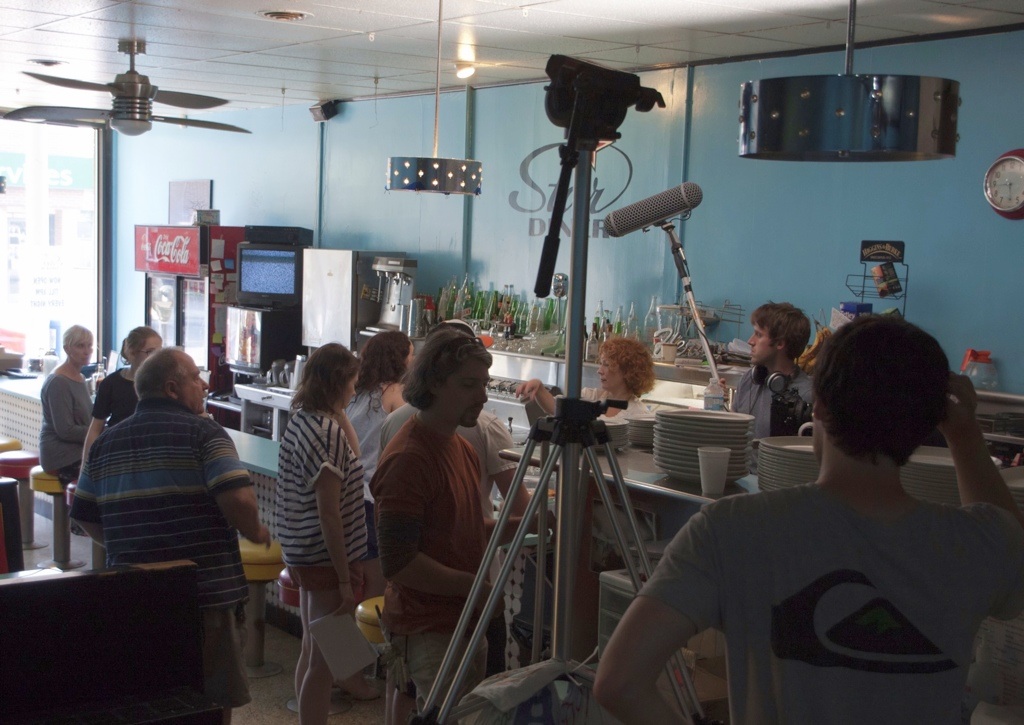
You see two actors in the film. Behind them is a horde of other talents creating the finished product.

You see two actors in the film. Behind them is a horde of other talents creating the finished product.

The actors in a film certainly are integral to its success and often give incredible performances. But they do get their share of deserved public recognition. The more hidden stars of a festival like this are all the others whose work goes into making a great movie – the screenwriters, directors, DP’s (Director of Photography) and, yes, Mike Gourgon, the sound people.

I have, in my brush with movie-making, come to realize that the effusive accolades are sometimes misdirected. This year at TIFF I made sure that I appreciated much more all those behind-the-scenes people who bring us such magic in film. It takes a team.

Christian Paulo Malo (DP) and Alex Daniels prepare a close up take for the movie FAULT, directed by Leigh Ann Bellamy.

Christian Paulo Malo (DP) and Alex Daniels prepare a close up take for the movie FAULT, directed by Leigh Ann Bellamy.

Alone in the fog…

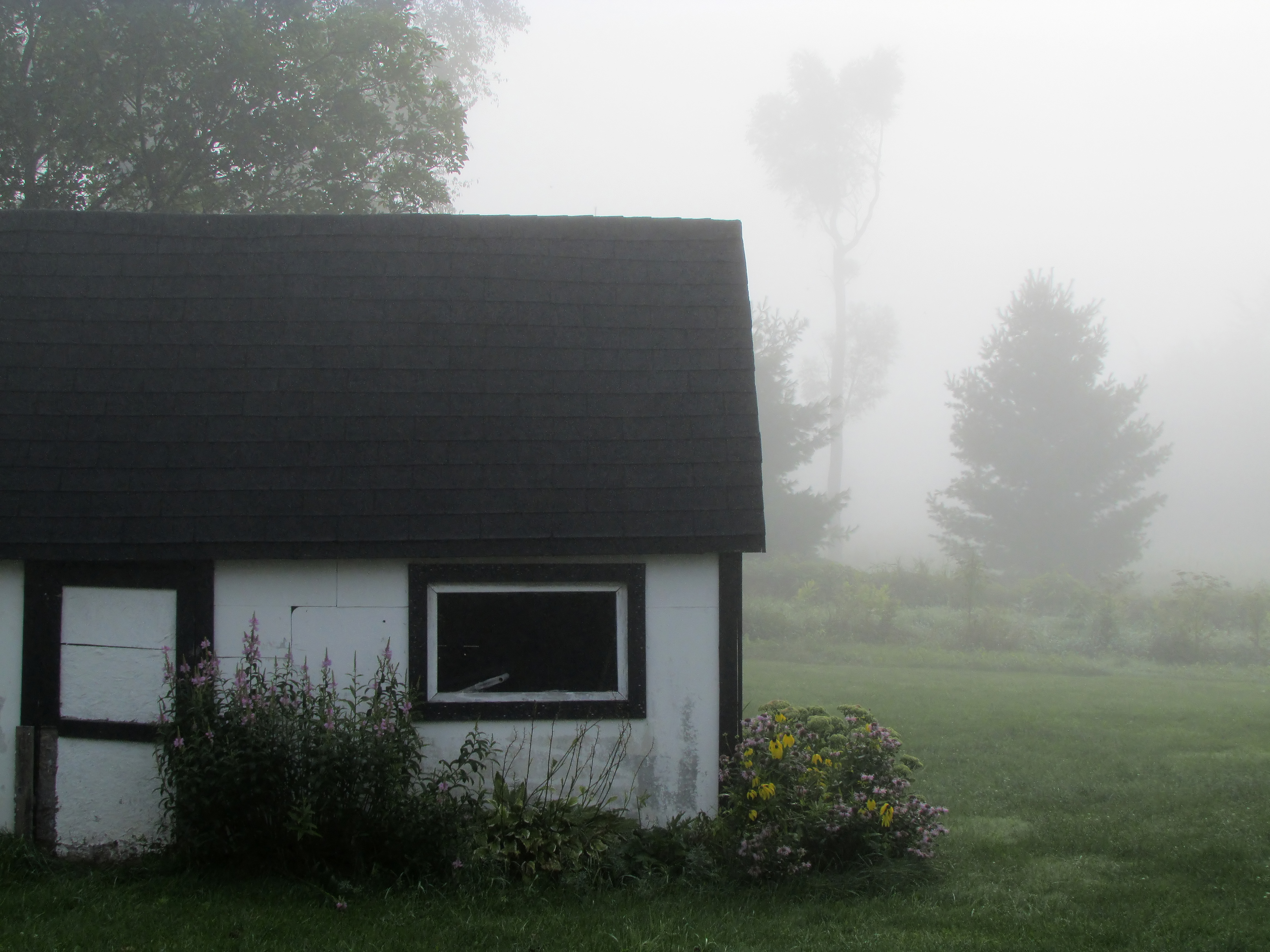
The last couple of mornings I have wakened early with the Wolfe Island Ferry’s horn blowing off-shore in the fog. The combination of humid days and cool nights have produced morning fog which is both eerie and wonderful. I lie in bed imagining the ferry slowly making its way toward shore, both edging through the mist and warning others of its presence.

Last weekend, I had the opportunity to be up early to go to the country to join the crew of the movie FAULT which is shooting now in the Kingston region. In order not to disrupt a scene in progress or have my car in the way, I parked about half a kilometer down the road in the Oddfellows Hall parking lot and walked along the country road to the farmhouse where the movie was being shot that day.

There was a dense fog. I could not see far along the road. Apart from the distinctive call of chickadees in the brush by the road it was absolutely silent. I stopped for a few minutes to enjoy this isolation, feeling totally cut off from everything and everyone else. Despite being a very gregarious soul, I found this almost a spiritual experience.

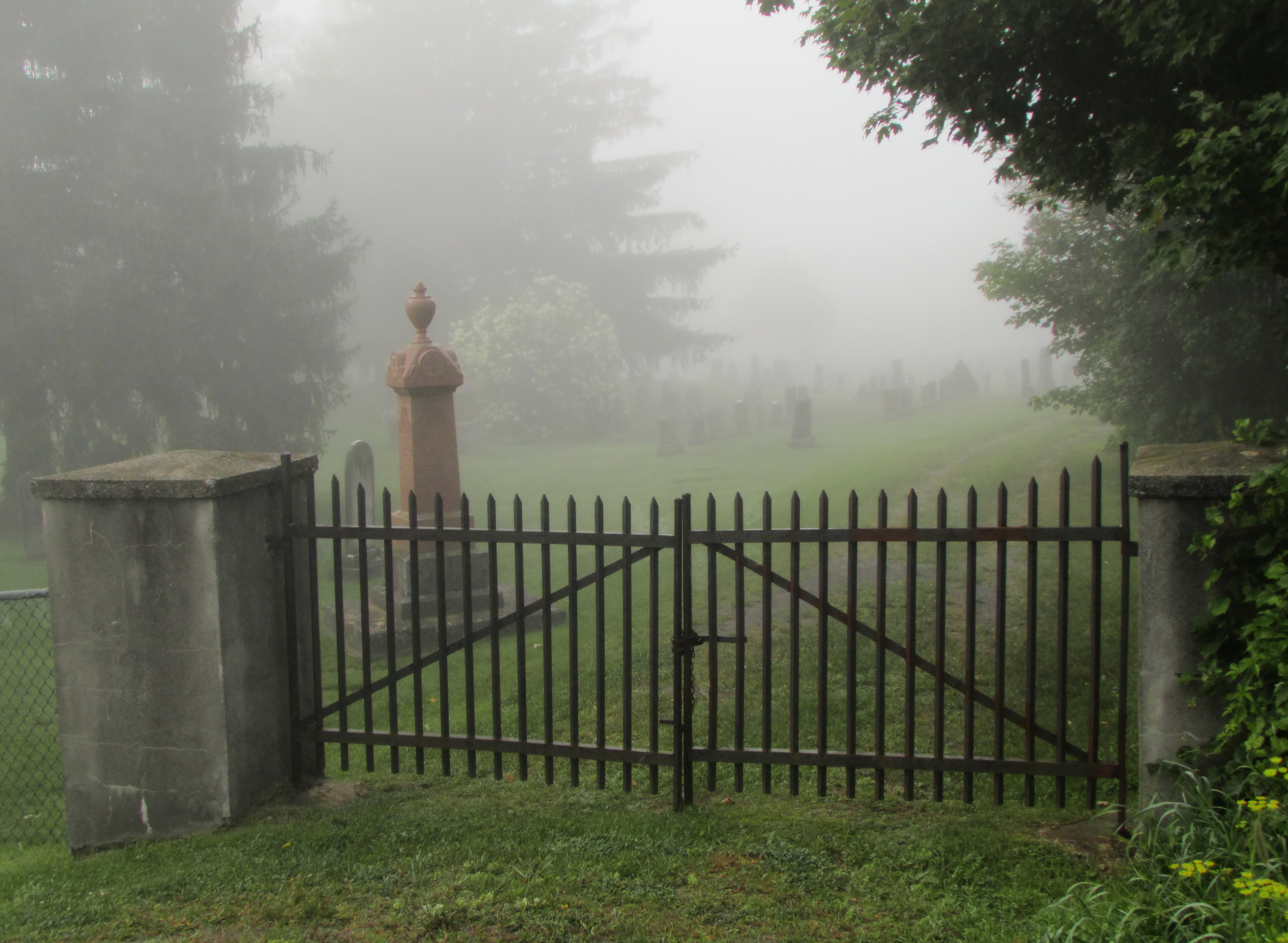
I turned around and behind me was a graveyard, also blanketed in fog. In a world of 6 billion people, I was there alone, maybe with some ghosts from the past wafting about me in the fog.

I could see the yellow line in the road but nothing else ahead. What lay out there in the fog? Where would my path lead that day? What surprises, yet to be revealed, will the day hold? What interactions, experiences or even dangers lie beyond what I can see?

Within half an hour the fog had lifted and the sun was shining brightly. I was back in a world of colour and noise and people and I liked that too, but the few moments in the fog on the road were remarkably peaceful and uplifting.

This few minutes in the fog reminded me that each day’s wakening brings the same anticipation of hidden events yet to unfold. And even when the sun shines brightly, we do not really know what lies only moments ahead. Like navigating in the fog, there is something both un-nerving and exciting about that prospect.

Fog4

Fog 1Fog2Fog3

Girl of my dreams?

I am somewhat embarrassed to admit that I have been drawn to gobbling up articles about the “Black Widow” recently appearing on the internet news sites. There is something about tabloid-type journalism that has a perverse appeal. When it appears in a CBC news report I can read it without the humiliation of picking up a copy of the National Inquirer at the grocery store check out. I do look at the front pages of these journals as I stand in line at the checkout but half the time the headline is about a younger celeb who I don’t know.

A recent headline had Queen Elizabeth distressed because she had learned that Prince Philip had an affair with Zza Zza Gabor.  One woman also reading the headline at the counter commented ” Who hasn’t?”

black_widow_inside

The “Internet Black Widow” is a PEI-born woman in her late 70’s who seems to have made a career of picking up lonely well-to-do older men. Shortly after they marry her she becomes their heir, cleans out their bank accounts, drugs them with benzodiazepines and has even dispatched two of them in one way or another. In the late 1980’s she drugged and then ran over her then husband, was tried and found guilty of manslaughter and spent some time in Kingston’s Prison for Women. She gained some celebrity there, claiming to be an abused wife who killed to protect herself – although two people watched her back over her semi-conscious husband and then run over him again. She was featured in a National Film Board documentary (When women kill) and also the subject of another CBC documentary in 2005. She surfaced again last month.

Her story reminded me of an experience I had while working in Bosnia a few years ago. I was at a barbecue dinner at the home of one of my friends, a young Serbian fellow who had acted as my translator for the previous few years. There were six of us for the dinner, including one of my friend’s neighbours named Vito.

Vito was an lively and curious 50 year old man who talked non-stop. Most of the conversation was in Serbian and although I could pick out words and phrases I could not follow this guy’s jovial chatter which, at times, had the others laughing and shaking their heads in disbelief.

Suddenly Vito turned to me. My friend translated his onslaught roughly as follows:

“Say, I think I know a woman who would be great for you. If you like, I can introduce her to you.
Her name is Nevus Titsiani. She lives in Zagreb with her mother. She is an attractive woman, maybe ten years younger than you. She is well-educated – speaks three languages – and financially independent.”

I told him it was OK, I wasn’t really looking for someone but thanks, anyway.

“She has been married four times. Her present husband is in jail in Italy so that would not present a problem.”

Bonus, I thought.

“Her other three husbands died. One fell out of a boat in the Adriatic when they were out fishing. The second one died in their bathtub – electrocuted or something.” He leaned closer and winked. “The third died while they were having sex.”

Bad luck. For her. Or for her husbands?

“If you want, I can call her right now. I have her number here on my phone.”

He started fumbling with his cell phone, looking for her number.

It was hard to dissuade him from calling this woman and bringing her to meet me but eventually I convinced him that I was not keen on being the next man on her list of unfortunate lovers.

When I read about the Black Widow, it triggered this memory and I wondered if, in fact, Vito had been ready to refer me to the Croatian Viper!

At a dinner Barbecue in Bosnia in 2005, Zoran wanted to hook me up with the Croatian Viper.

At a dinner barbecue in Bosnia in 2005, Vito wanted to hook me up with someone I feared may turn out to be the Croatian Viper.

Would you send your child into these toilets??

Last year the CanAssist  African Relief Trust funded construction of new toilets at the Mutundu School in Ruriru District of Kenya.  There were about 250 children at this school all using two dirty and dilapidated toilet buildings. The “staff” toilets had already started to sink into the ground and were unusable.

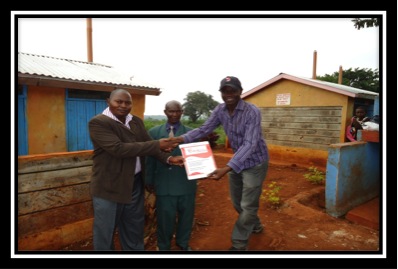
Dan Otieno presents a plaque to Michael Gichira of the Murera group outside the latrines constructed in 2012 with funding from CanAssist.

Dan Otieno presents a plaque to Michael Gichira of the Murera group outside the latrines constructed in 2012 with funding from CanAssist.

Through the Murera Community Empowerment and Support Organization, CanAssist was able to provide new, clean toilets for the school and hook up a water source to allow hand-washing. CanAssist’s representative in Kenya, Dan Otieno, visited the Mutundu school in July 2013. “The work has been successfully done and the schools sanitation has totally improved (250) kids can now enjoy better latrines and have access to water.” he reports.

Lack of adequate sanitation is a scourge throughout sub-Saharan Africa.  Less than 40% of people have access to any sanitation facility at all – mainly using fields and even the gutters for their toilet  needs.

In addition to the humiliation and lack of privacy which accompanies open defecation, the health risks from having raw sewage exposure are many.  Gastrointestinal diseases (typhoid, cholera, viral illnesses) abound and are a significant cause of morbidity and even mortality.  Access to clean water for hand-washing is also usually not available. This compounds the spread of disease.

This year CanAssist will fund a similar sanitation initiative in the Twiga School in Ruriru District, Kenya through the same Murera organization.  Dan Otieno, visited the school in July and reports:

“The school is in Ruiru District Kiambu country Kenya about 6 km North Ruiru town. The school has  a population of around 504 and 13 teaching staff and 4 non-teaching staff. The existing latrines are filled up while some are in bad conditions and as such even dangerous for the pupils to use.”

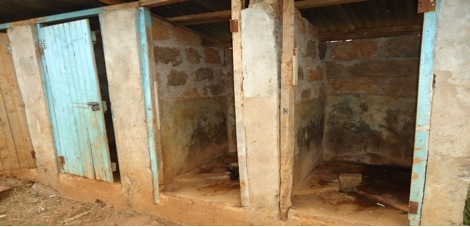
The condition of these toilets is deplorable.  Can you imagine sending your child to use these facilities? How can children be taught about hand-washing and prevention of fecal-oral spread of disease when these are the facilities being offered by their school?

Twiga boys

The boys toilet at the Twiga school. Can you even imagine?

Dan also visited the Mutundu School in July 2013.  “The work has been successfully done and the schools sanitation has totally improved (250) kids can now enjoy better latrines and have access to water.” he reports.

Given the successful improvements made at the Mutundu school last year, CanAssist is eager to find funding for this second school sanitation project in the same region.  The cost of providing latrines for this school will be about $6000.

Can you help? Any donations to CanAssist allocated to the Twiga School Sanitation Project will help us acquire the financing to go ahead with this project.

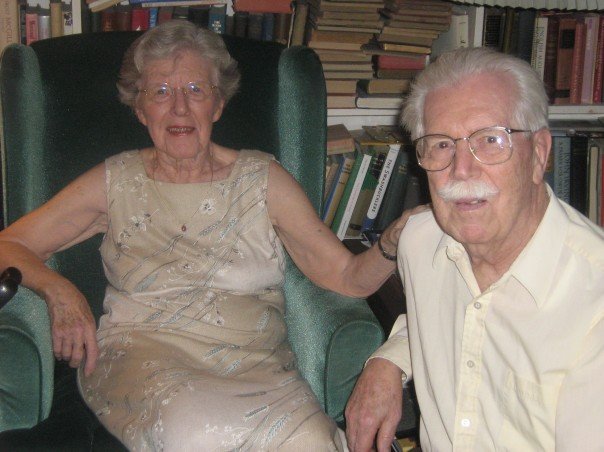
Ruth and Donald Redmond will celebrate 65 years of marriage on August 21. Congratulations!

Ruth and Donald Redmond will celebrate 65 years of marriage on August 21.  Congratulations!

The family of Ruth and Donald Redmond of Arbour Heights in Kingston Canada would like to celebrate this couple’s 65th wedding anniversary by helping to fund this project to improve sanitation at the Twiga School.  Donations specified to the Twiga School or the Redmond Anniversary Fund will be allocated to this project and can be made through Canada Helps (link below) or by mail to CanAssist, 562 Sycamore Street, Kingston, Ontario. K7M7L8

donateNow2b1

Enamoured with a real “dish”…

I have become infatuated. I know that sometimes these summer flings don’t last long and that there are lots of bumps and changes along the way but recently I have fallen in love and it has held for the past couple of weeks.

I met the object of my affection on my recent trip to the East Coast. Since my return we have spent our dinner times together, enjoying fresh vegetables from the Kingston market, rice, pasta and corn on the cob.

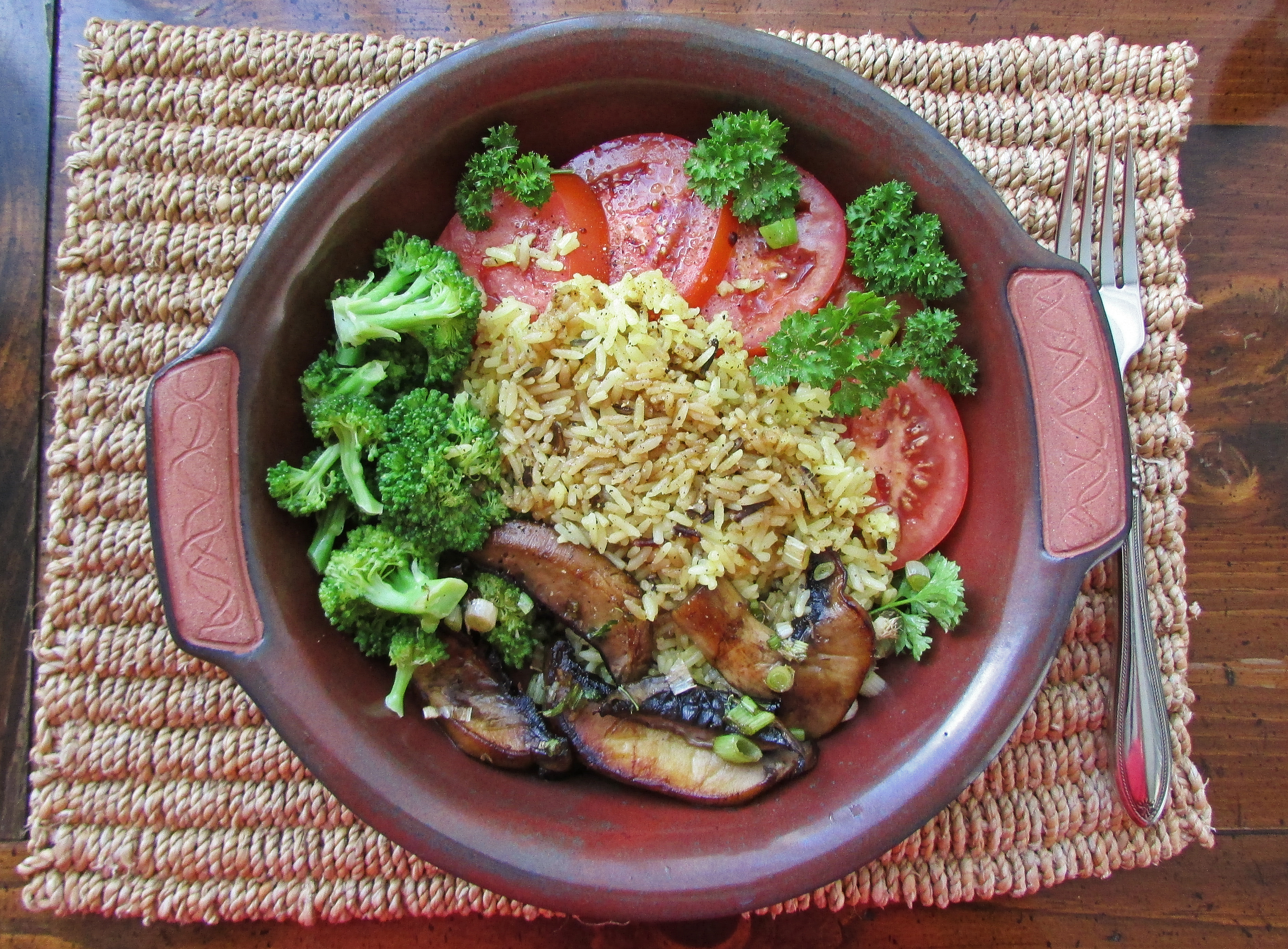
While browsing around a craft shop on East Point of Prince Edward Island I spied just what I had looked for in the past months – a pottery plate that I can eat my meals off in some style.  She has (love) handles and a well-rounded shape. A nice smooth earthy brown – hand-made pottery. Her lips are perfect to hold overflowing dinner juices. She is even good with a dishwasher and microwave. What more could a man want?

I have had dinner with her every night since I came home from my vacation. She makes my meals look (and even taste) splendid. I am waiting for autumn to laden her with spaghetti or stew. (Photos will follow, I’m sure). I will confess now that our friendship has become so intimate that sometimes I lick her clean.

And we are planning to expand the family. I have contacted our matchmaker at the East Point Gift Shop on Prince Edward Island and she is arranging for the potter to send me three more. Soon my friends can also meet my newest infatuation and we can even have a foursome (or threesome or twosome or however many plates we need).

I am hoping this infatuation lasts a while. She has transformed my dinner hour into bliss. I look forward to spending the hour with her every night. I can’t resist photographing her (I hope she doesn’t mind my sharing.)

Pasta vegVegPortob and rice

Planting seeds in the Oasis of Hope garden

Today, our associate in Kenya, Kennedy Onyango posted this message on the CanAssist African Relief Trust Facebook page. I want to share it. It read:

“Yesterday (6th August, 2013), I found myself thinking about all the seeds our friends, well-wishers and supporters has sown down through the years. The CanAssist African Relief Trust family have given an enormous amount of money to help hurting children of Usare Village, Mbita District, Kenya. There’s no telling how many lives we have touched through your infrastructural support. Beyond that, for nearly half a decade, Hope School has been a lighthouse, not only to our own community but beaming a message of hope and encouragement to people all over the world as it provides an opportunity to lend a helping hand of caring for the poor. 

There is never a quiet day at Hope School, and every day is different. It is most certainly an exciting and challenging place to be. It is amazing to watch as seeds of hope are planted, nourished and encouraged to grow. Teachers and counsellors plant these seeds, the little angelic girls plant these seeds for each other, sponsors plant these seeds, donors and other partners plant these seeds. It is a wonderful privilege to both plant and to watch the seeds grow.”

This classroom was constructed in early 2013 at Hope School, Mbita with CanAssist funding (helped greatly by the Sasamat Foundation)

This classroom was constructed in early 2013 at Hope School, Mbita with CanAssist funding (helped greatly by the Sasamat Foundation)

In 2012, the CanAssist African Relief Trust partnered with Kennedy and the ETDC organization in Mbita Kenya to help them with development of a school for vulnerable young children in their community. The school is called HOPE SCHOOL. Our first project with them was to fence and irrigate a garden at their rural school property. The school said that they would name this garden The Oasis of Hope. It has turned out to be just that.

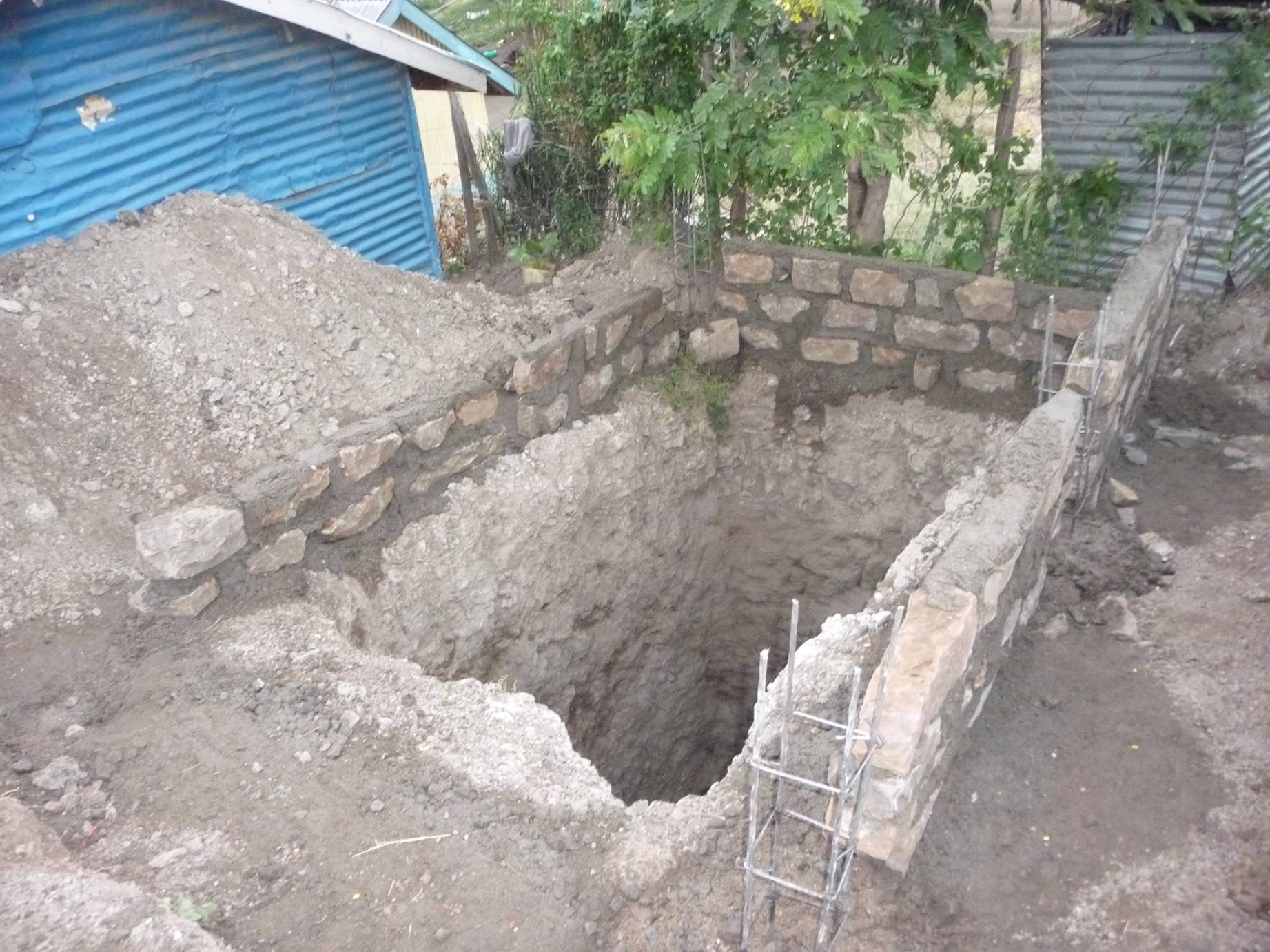
In Africa latrines are hand dug, often to a depth of 40 feet, through sand, gravel and stone.  A long labour-intensive job.

In Africa latrines are hand dug, often to a depth of 40 feet, through sand, gravel and stone. A long labour-intensive job.

Later in the year with significant help from CanAssist donors and donations to CanAssist from the Sasamat Foundation in British Columbia and the Toronto Rotary Club, we were able to build two new classrooms for the school. Right now we are in the process of installing latrines at the two school sites.

Kennedy Onyango sent me photos last month of the garden that is thriving and will be able to offer nourishment to the children at the school. Prior to CanAssist’s involvement here, this was a barren piece of land. Last year there was a bumper crop and Kennedy anticipates even better this year. Here is what he reports from the yield last year :

Kennedy Onyango outside the school gate in early 2012.  Along with CanAssist he was ready to "plant the seeds" of development that will help his community.

Kennedy Onyango outside the school gate in early 2012. Along with CanAssist he was ready to “plant the seeds” of development that will help his community.

“Last year we harvested 900Kgs of sourghum, 360Kgs of beans and 120Kgs of Maize in the Oasis of Hope Garden. The sourghum was mixed with cassava which we bought to make porridge for the children. We bought 4, 500kgs of cassava and this served from July 2012 up to April 2013. It served the two campuses of Hope School with current enrollment of 275 children in total. Thanks a lot to CanAssist Relief Trust and Donors for having made this possible. We look forward for a similar or more Kgs of sourghum this year.”

(Sorghum is a cereal crop that is not common in Canada but a staple in many tropical and sub-tropical parts of the world. It is relatively high in fibre, iron and even protein and is a whole grain that is added to other carbohydrates to supplement nutritional needs. Cassava is grown as a bush-like plant with large white tubers that are harvested and cooked like potato as a good filling source of carbohydrate. Cassava may be filling but contains little protein so admixture with sorghum or beans is important to avoid protein malnutrition, a common problem in poor tropical areas.)
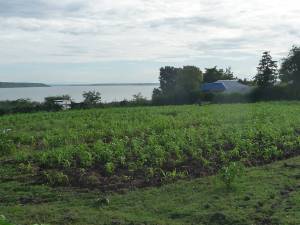
The thriving school farm - CAART fundedThe children who attend the Hope School come from very vulnerable situations. Many are orphans or partial orphans and most live in poverty. Many come to school on an empty stomach so the bowl of sorghum and cassava or maize that the school provides may be the only sustaining nourishment the children get. Provision of a school meal has proven to be beneficial to African children and has been one of the strategies endorsed by the Millennium Village Project, initiated by Jeffrey Sachs. The prospect of receiving what may be the only meal of the day is a vital encouragement to them to attend school where they are able to receive an education..

I hope that donors to CanAssist can feel as satisfied as i do that the gifts that they give to CanAssist are being used effectively to improve the well-being of many, many people in East Africa. I am proud of the work we do and also proud of our African partners who work hard to make ensure a successful outcome for our joint projects.
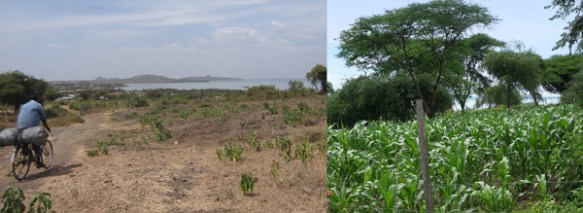
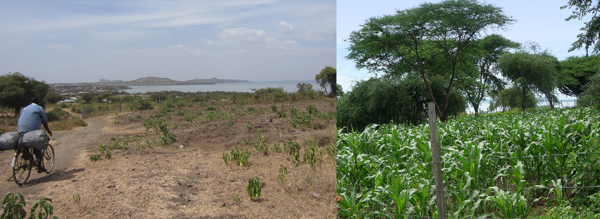
The Oasis of Hope garden in February 2012 and April 2013. Seeds that flourished.
The Oasis of Hope garden in February 2012 and April 2013. Seeds that flourished.