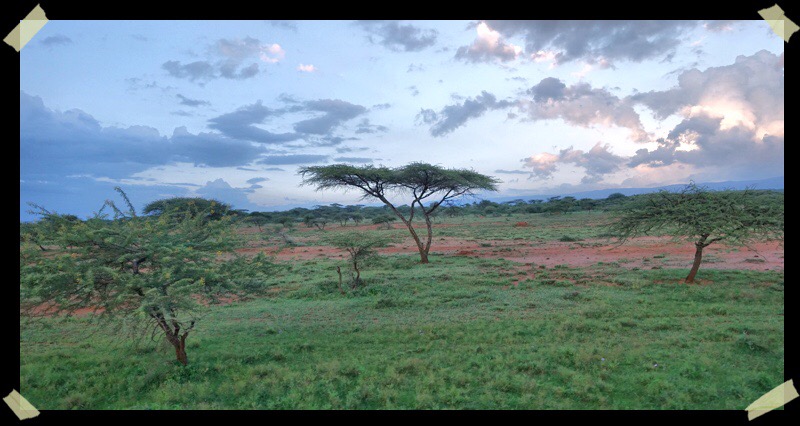
What to do when awake at 4 am with jet-lag after returning to Canada from East Africa? Count sheep? No. Acacia trees.

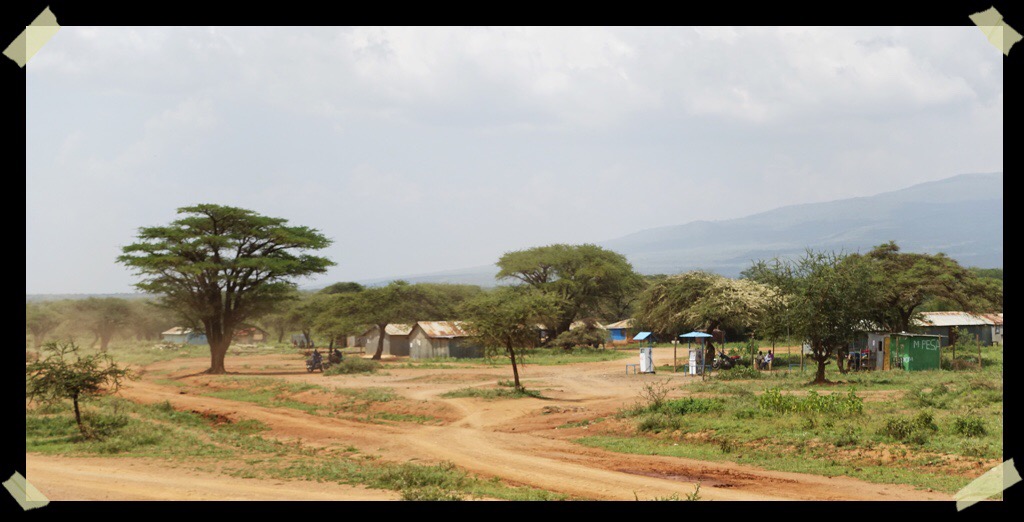
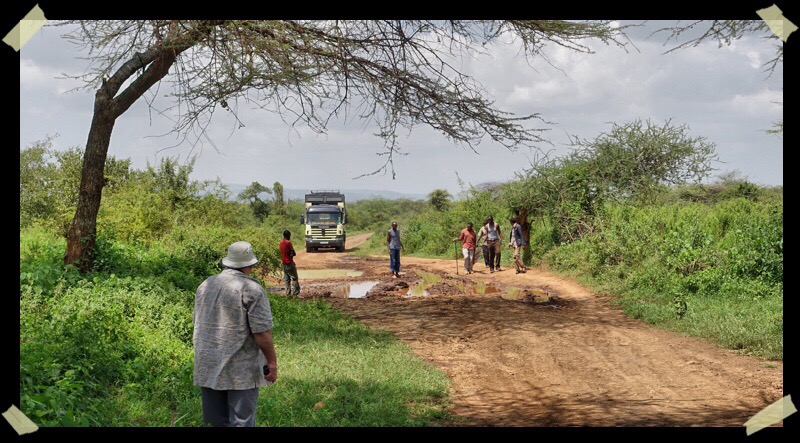
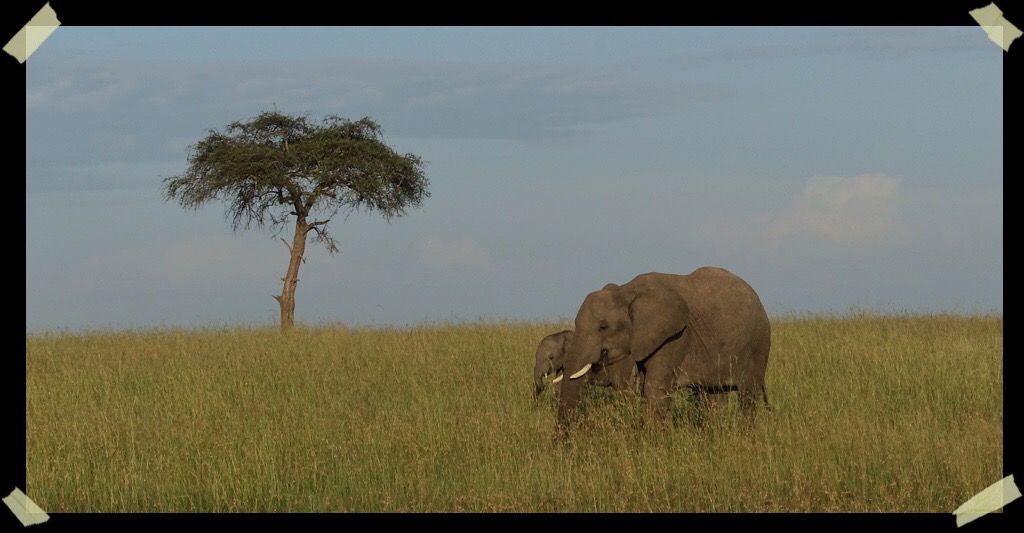
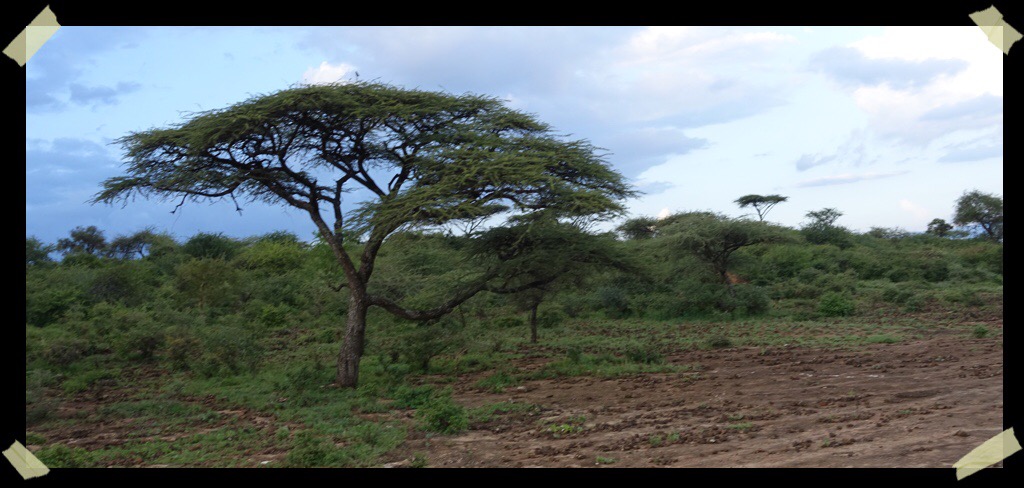

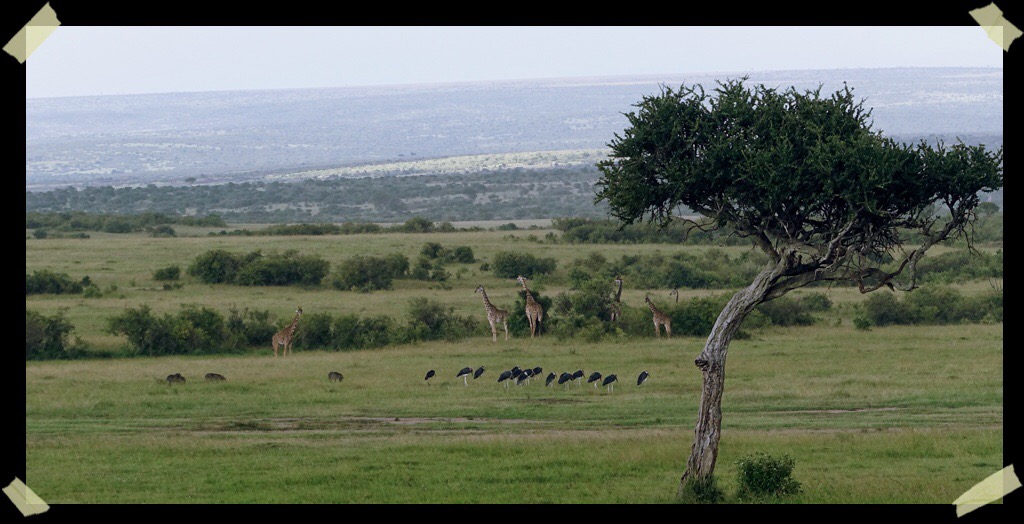
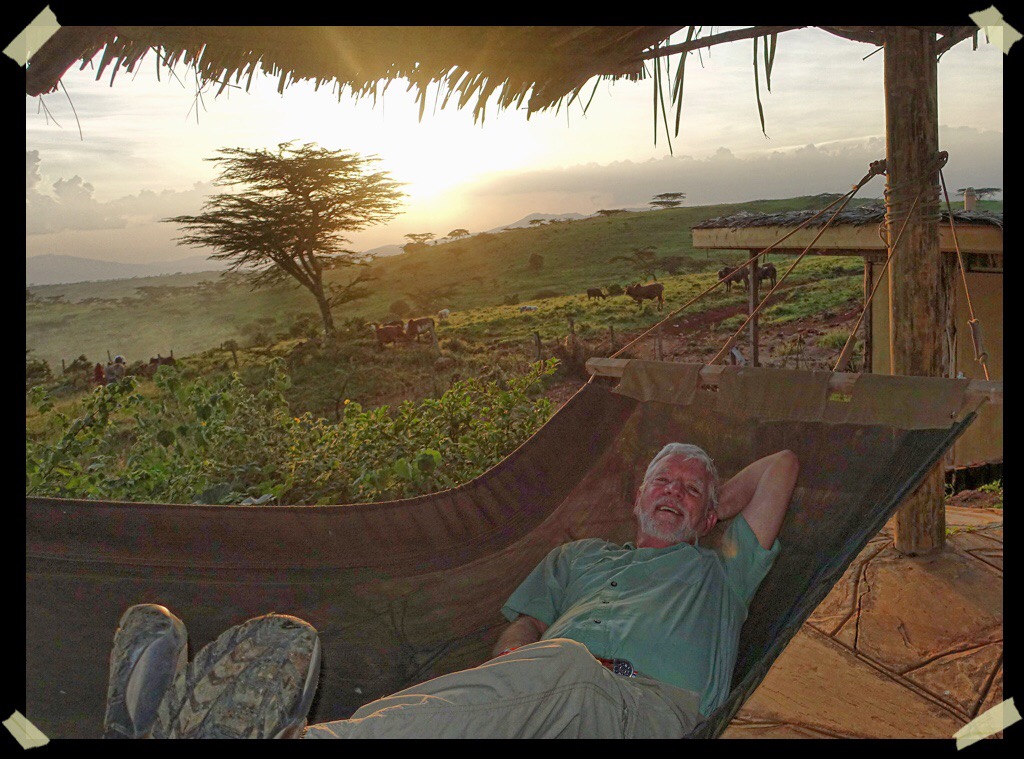


What to do when awake at 4 am with jet-lag after returning to Canada from East Africa? Count sheep? No. Acacia trees.
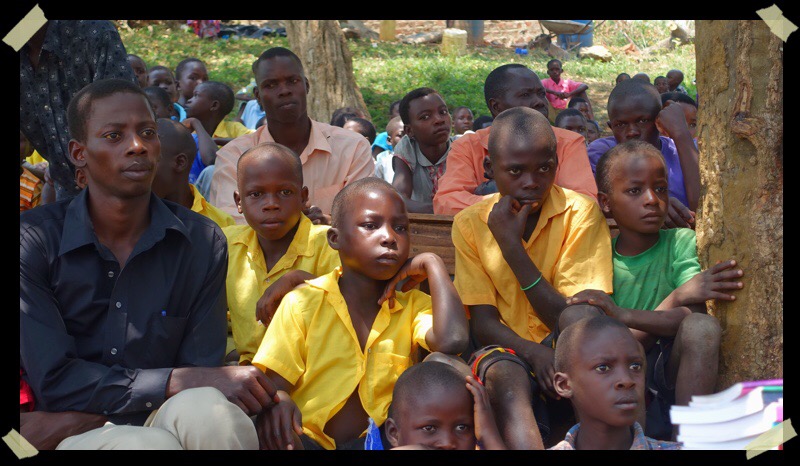
On the last two days of our safari we visited yet another two schools in Uganda, the Kyabazaala Elementary School near Kayunga and Hope for Youth, near Mukono. We experienced a torrential rain at the Kyabazaala School which slightly cut short our outdoor festivities but had us huddle with a gaggle of students, teachers and parents in a classroom under the tin roof. A memorable downpour of fellowship and much appreciated water to fill the water tanks. At Hope for Youth, we received the usual warm welcome and lots of hugs. What a delight to see some of the kids I have known for about 7 years. Some of the fellows who danced for me at age 8 are now 16 and in secondary school. We remembered each other and relished the short time we had to visit once again. And I promised that I will return.
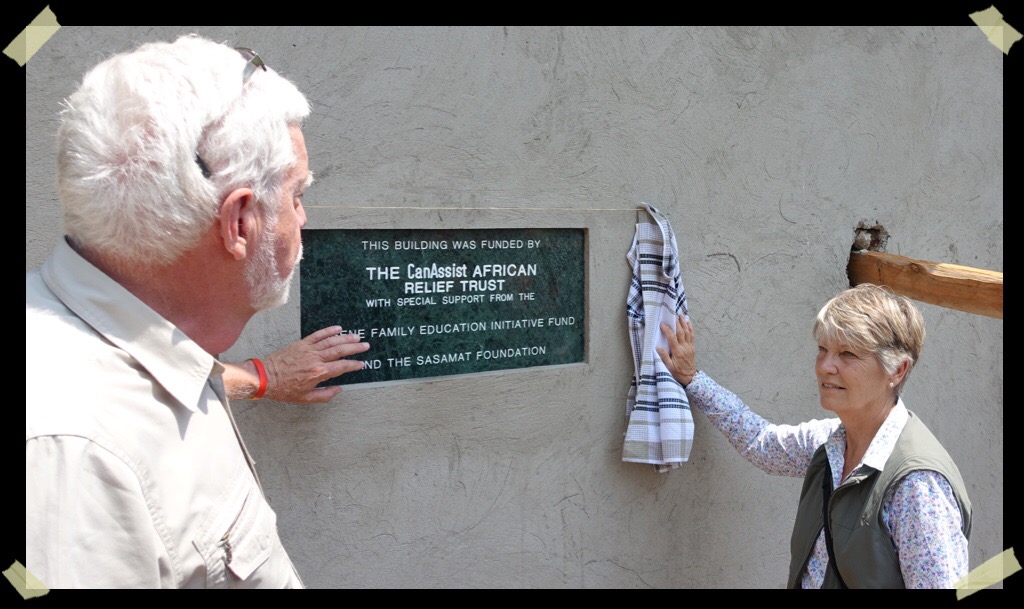
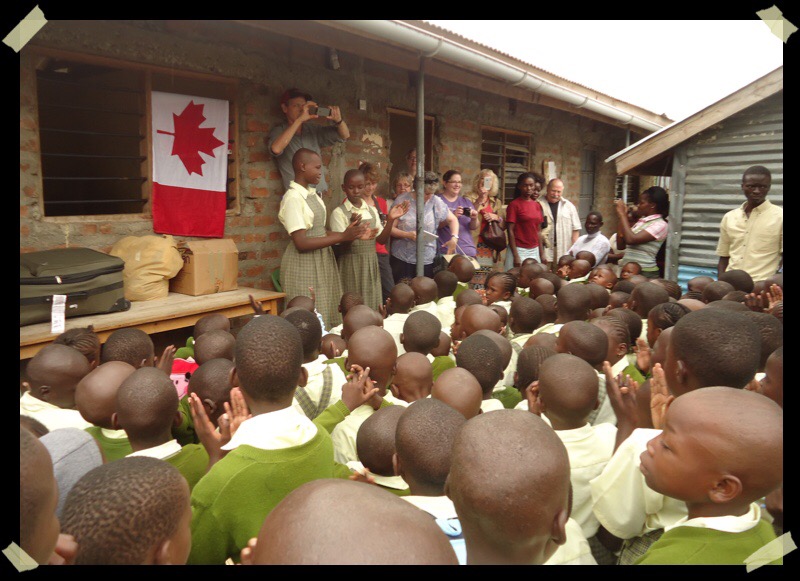
We cut the ribbon on a wonderful teachers’ accommodation building which will also have a health/first aid room. Thanks to the Green , the Sasamat foundation and to the benefactors who attended a fundraising dinner in Nanaimo last February for making this possible.
It was fitting that the last musical entertainment we had from students (we had a lot over the two weeks) was a blessing from them to us. We all left East Africa feeling truly blessed by the opportunity to visit that we had with ten very different associate communities and are safely home – jet-lagged, adjusting to winter temperatures but hearts warm from our safari to spend time with our global family.




We were not deterred by bumpy roads to the Busagazi School on an island in Lake Victoria between Jinja and Kampala, Uganda. We had to alight from the truck and walk the final kilometer or so up a dusty red road to the school site. In the last few months we constructed two classrooms at this school where only one existed before… to serve about 600 students. Since we came on board to help, another Croatian organization has also constructed classrooms. We were warmly greeted by the community even though our visit coincided with a school holiday. An enjoyable day, all in all, drenched in colour and joyful community celebration.


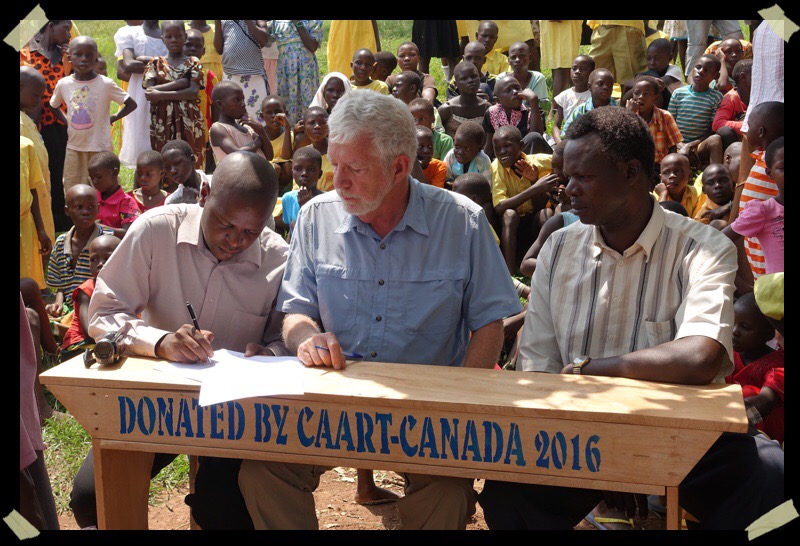
We signed an MOU at the school to provide 48 desks for the new classrooms.


CanAssist has several projects past and present in the Mbita, Kenya and Rusinga Island area on the shores of Lake Victoria. We visited three schools there – Kanyala Little Stars, Hope School and the Kaswanga Girls Secondary School. At each visit we received a warm welcome, thanks for the help we have given them and the anticipation of ongoing connection.
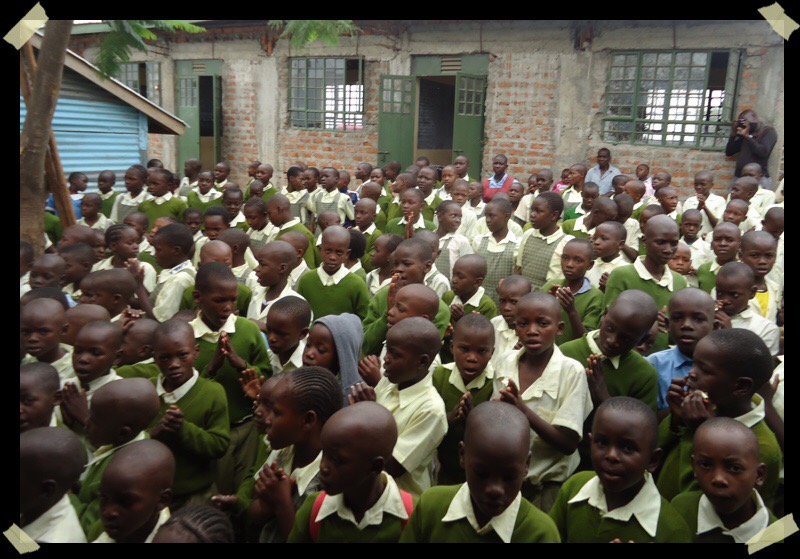
Students at Kanyala Little Stars
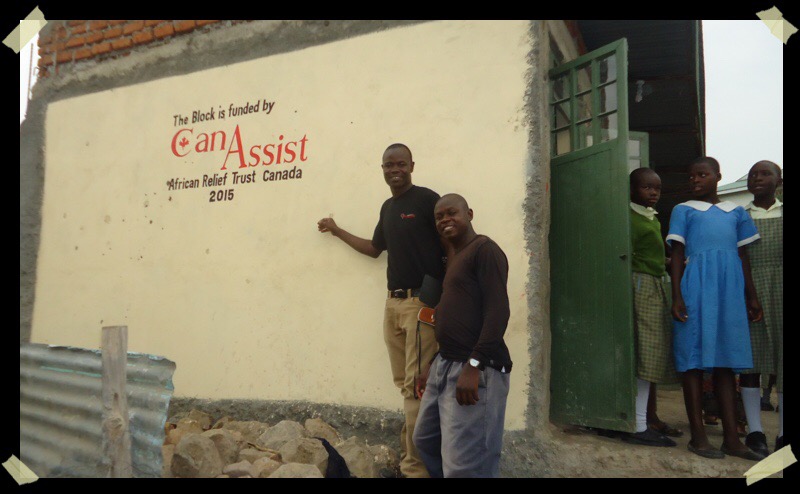
Calssrooms at Kanyala Little Stars that were funded by CanAssist in 2015

CanAssist building at Hope School
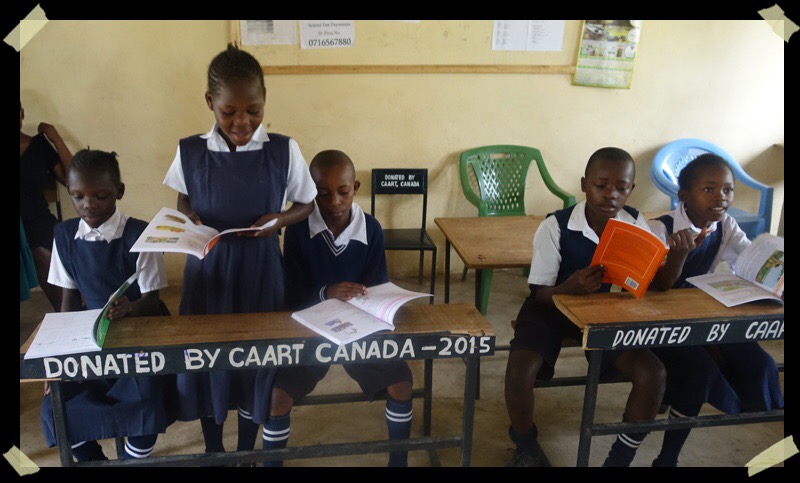
student at Hope School reads frome one of the books brought bt CanAssist.
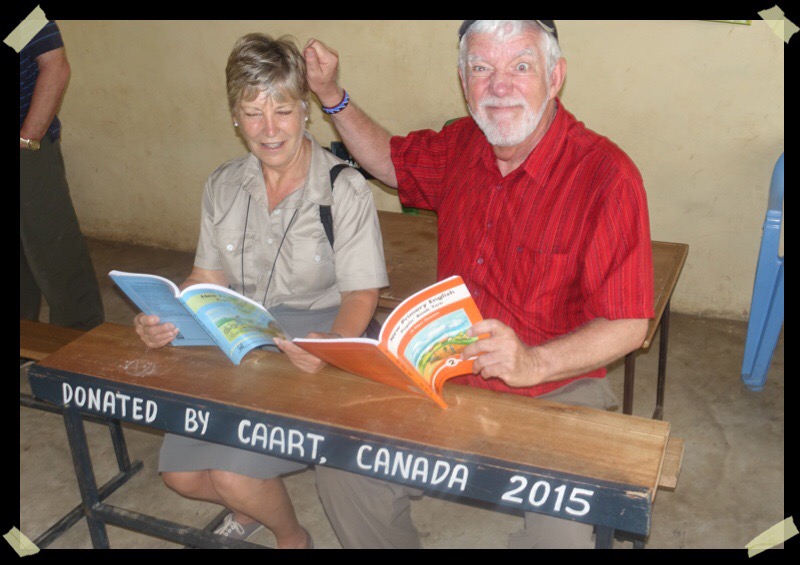
CanAssist trustees, Judith and John , relive scool days at one of the desks recently built by CanAssist for Hope School.
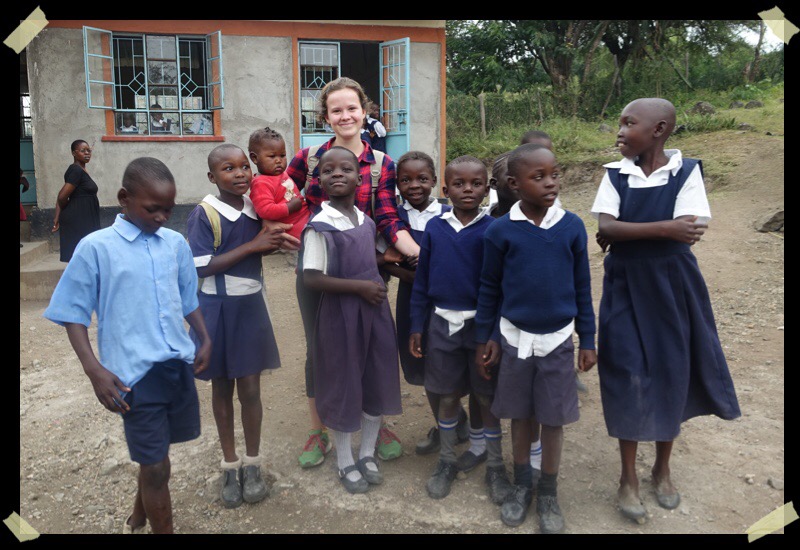

Nancy Grew takes in the view of Homa Bay on our hike up to Kaswanga Girls School. Nancy is blogging about our expedition at Grew’s News 3

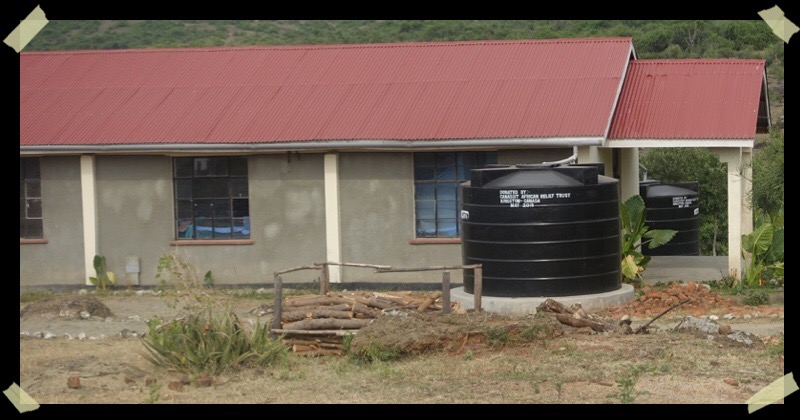
CanAssist funded water storage twnks at Kaswanga School in 2105 and this year will work on improving sanitwtion at the school by building new latrines.
Near the town of Ramula in Siaya District of Kenya, CanAssist has been working to provide infrastructure improvements to two schools – St. Catherine Early Childhood Development Centre (150 students) and the Ramula Secondary School ( 100 students). We received rousing welcomes at both schools. Last year at this time the St Catherine School yard was an empty field. It has been amazing to see the growth. For Ramula Secondary, we provided much needed water tanks that have been very much appreciated.

St Catherine School is a 30 minute hike into the valley.
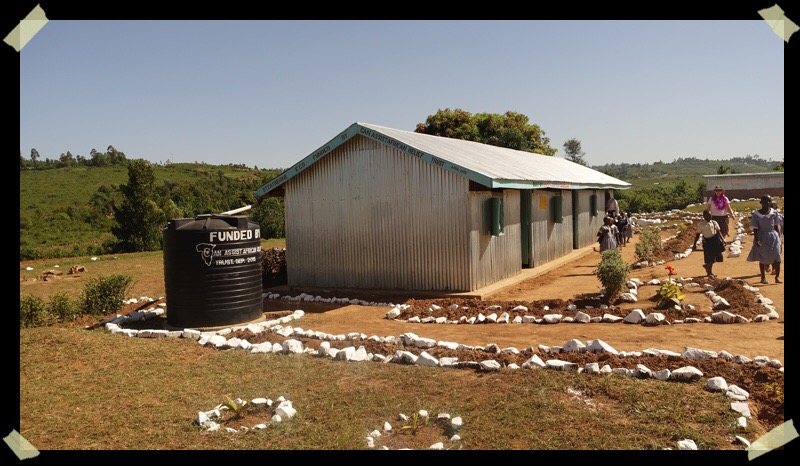


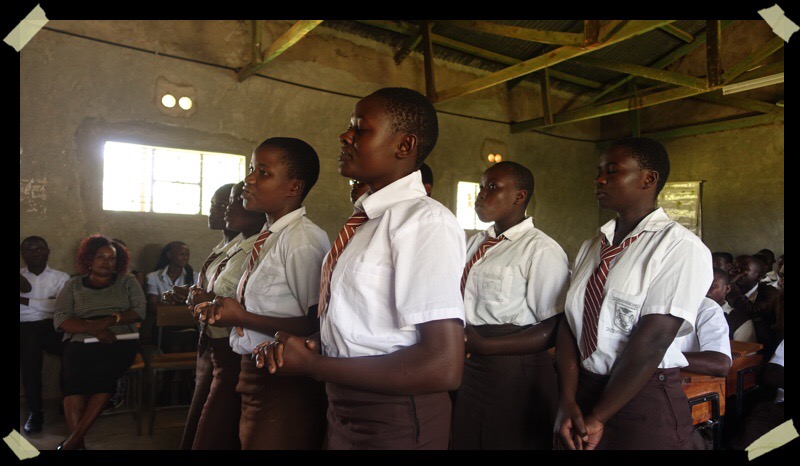

This is the “kitchen” at Ramula Secondary School where lunch is prepared for 100 students. CanAssist plans to soon upgrade this kitchen.
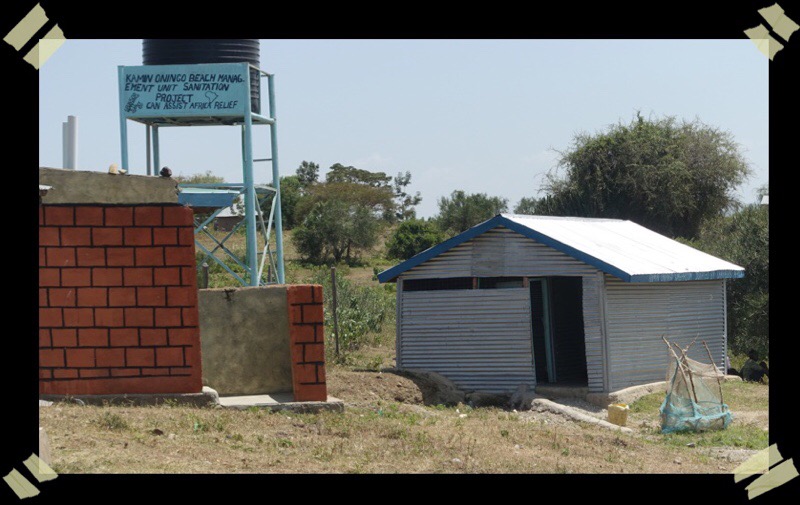
CanAssist has helped this fishing beach community to improve their sanitation with construction of latrines, a bathing building and hand washing station. In conjunction with our visit to this village, Gabriella Zamojski has arranged to distribute some solar cookers and fuel saving stoves to some of the community who turned out in droves to see how these works and get a delicious, nutritious meal totally prepared using solar heat.

Food was prepared in the morning, set out in the solar cookers amd by 1 full meals were ready to be eaten.


In addition to the solar cooking units for the community, Gabrella also facilitated the purchase of a fuel- efficient wood burning “rocket” stove for the S.P. Geddes school though CanAssist. The school reports that food cooks more quickly and with about 10% of the fuel compared to the open fire they were using before.
I have been excited to introduce my family to the S.P. Geddes School in Osiri Villlage, Kenya and have them meet little S.P. who was named after my late father who generously supported the school through CanAssist as it was beginning. I also was delighted to introduce the school to Dad’s great granddaughter, Maddy. Here are some photos of the visit.
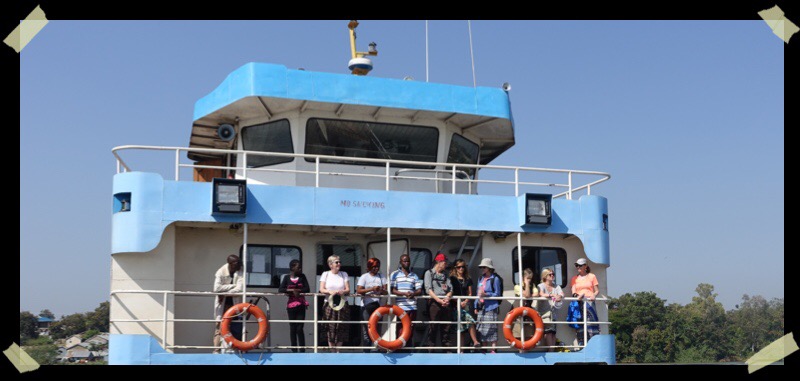
On the ferry from Mbita to Lwanda Kotieno

A musical greeting as we arrive at the S.P. Geddes school


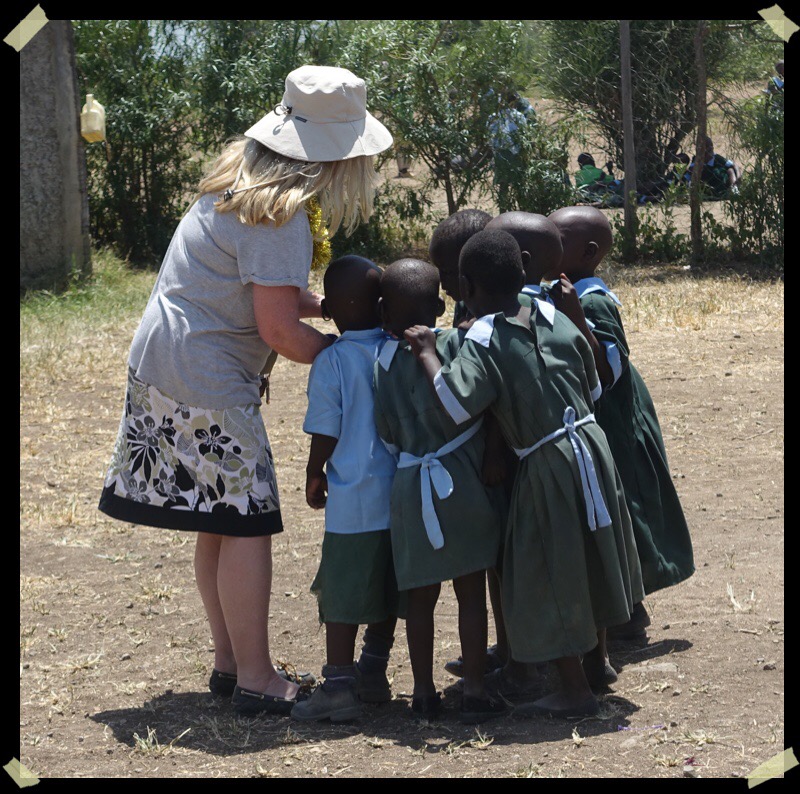
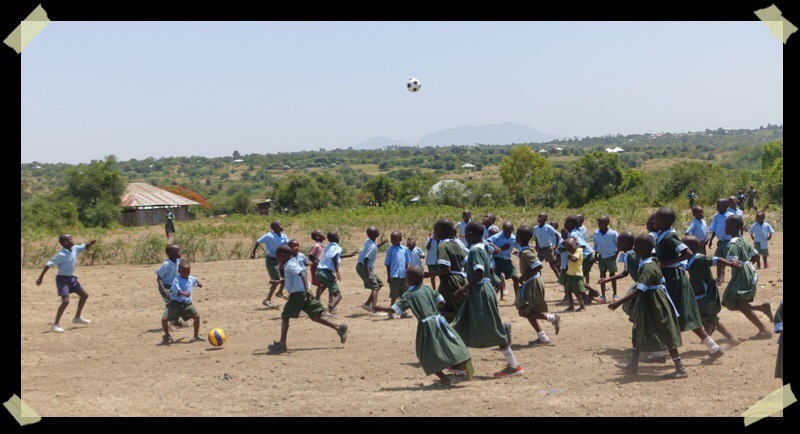

i know Dad would be delighted that my brother Bob, his wife Lynne, his granddaughter Jenn and great granddaugher , Maddy were all able to join me in a visit to the school that bears his name.

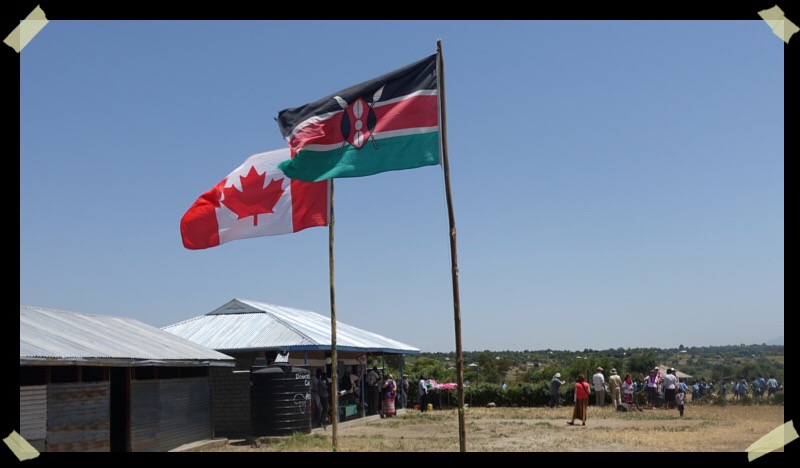

Maddy and little. S.P. enjoying lunch ag the school. Asante Hugh Langley for the photo.
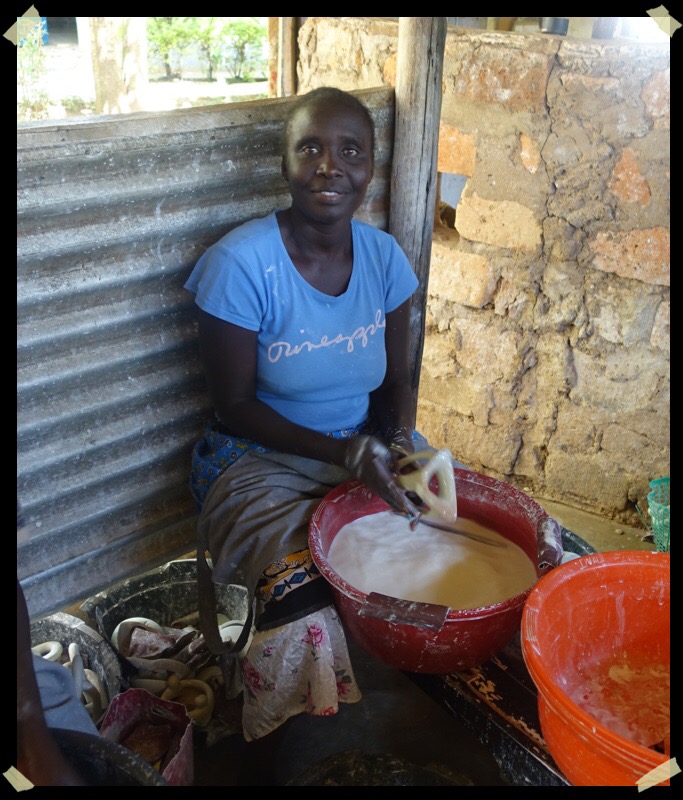
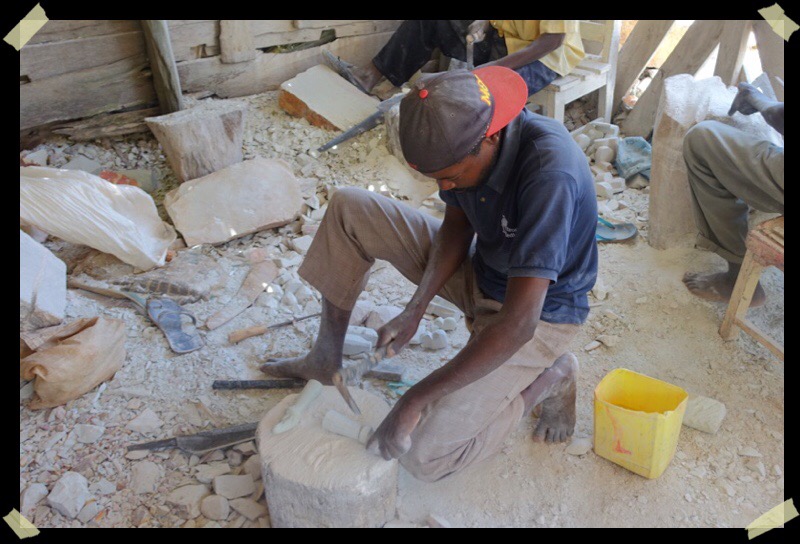
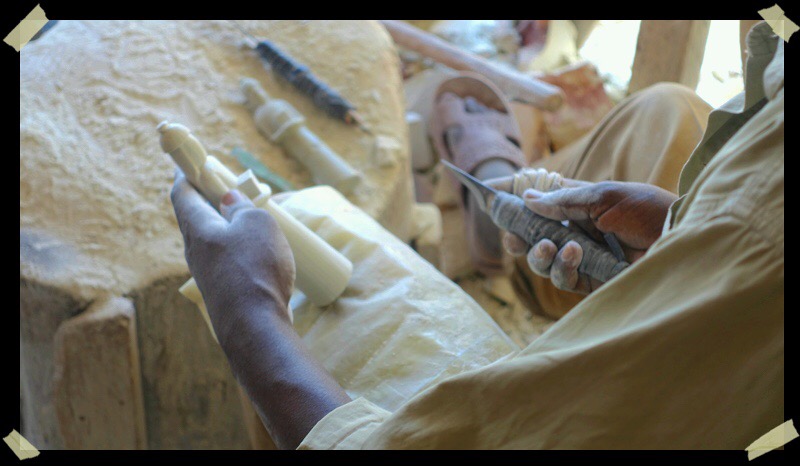
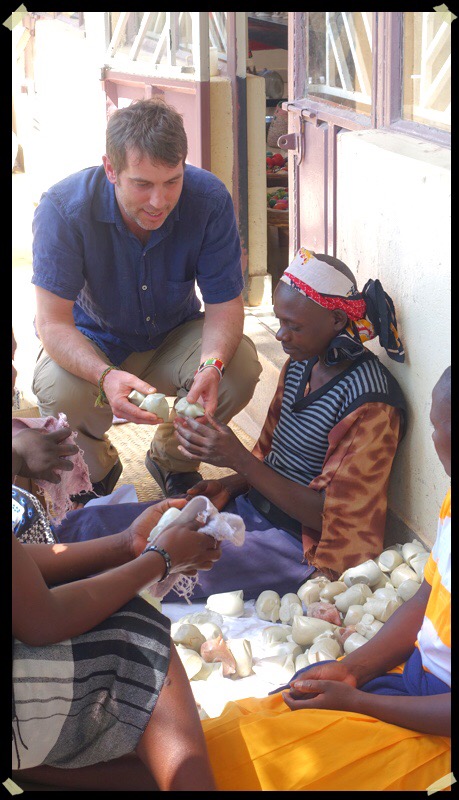
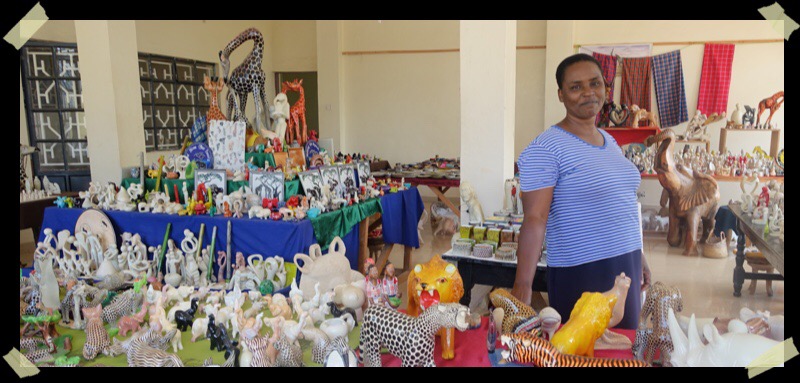
Anyone who has frequented the 10,000 villages stores is familiar with the wonderful soapstone carvings that come from Kisii Kenya, known as Kisii Stone. We visited where these are made, saw the artisans who make all this stone and send it internationally and got a chance to purchase some for ourselves. The quarry has a unique stone that is now known all over the world.


The town of Kericho in the highlands of Kenya is famous for tea with tea plantations stretching in emerald green fields for as far as the eye can see. We had a tour of the Kabiangs Tea Factory to follow production from the field to the finished product. The tea is picked by hand and air dried by fans for 16 hours. It is chopped finely through three phases. This causes some release of heat and the warmth (39 deg C) and more air caused a fermentation to take place over the next 90 minutes. The brown product is then heat dried again through three cycles and finally sifted to different sizes to remove fiber and provide three different products of different sizes. It is tested for taste quality, bagged into large sacs and transported to Mombasa for sale on the international tea market. 4.5 Kilos of leaves make 1 kilo of tea.

Fields of tea being hand picked
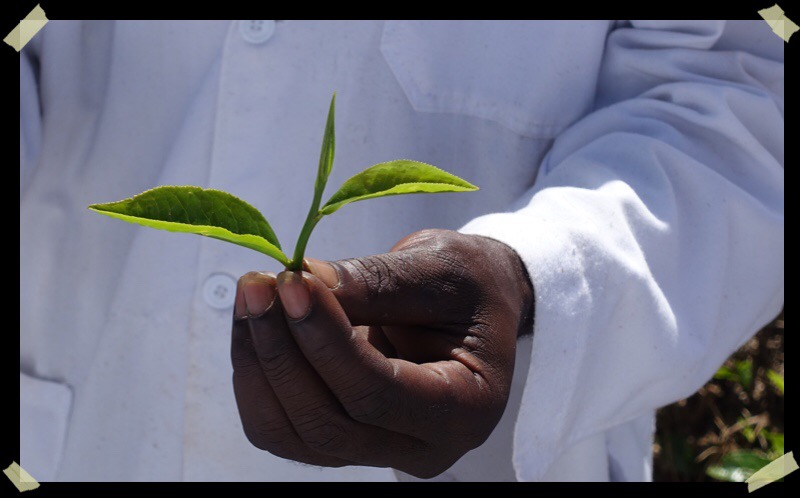
The bud and first two leaves are best for quality tea

After being finely chopped the tea becomes warm and naturally ferments.
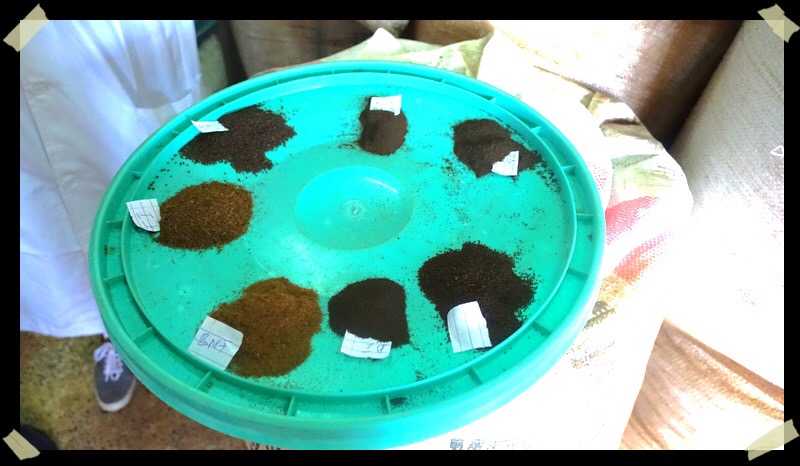
Different grades of tea according to the final size.

Along the road near Kericho
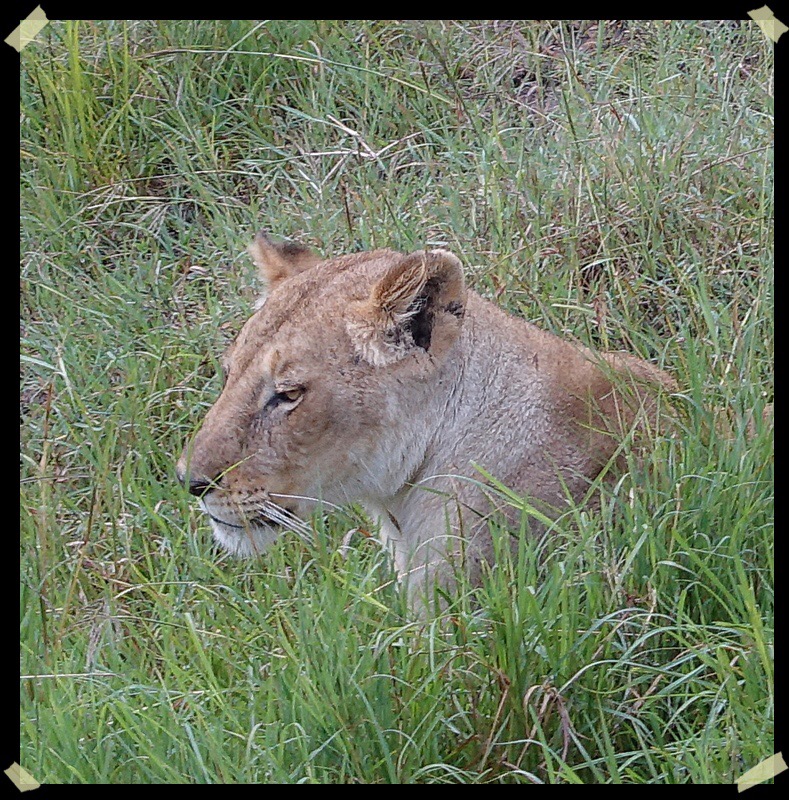
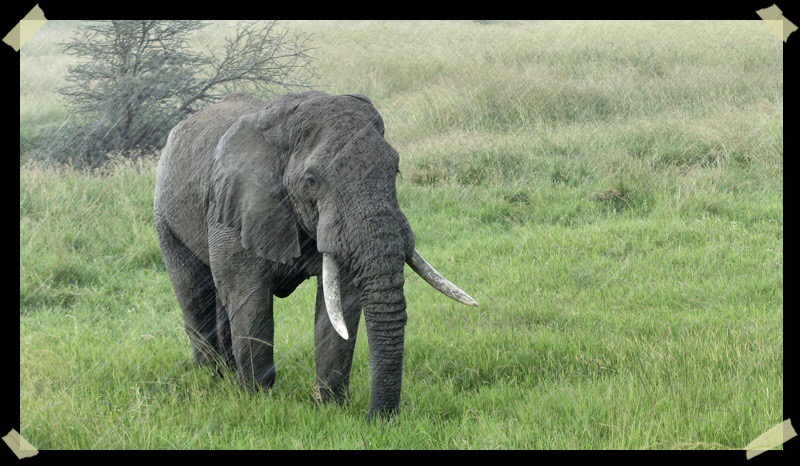
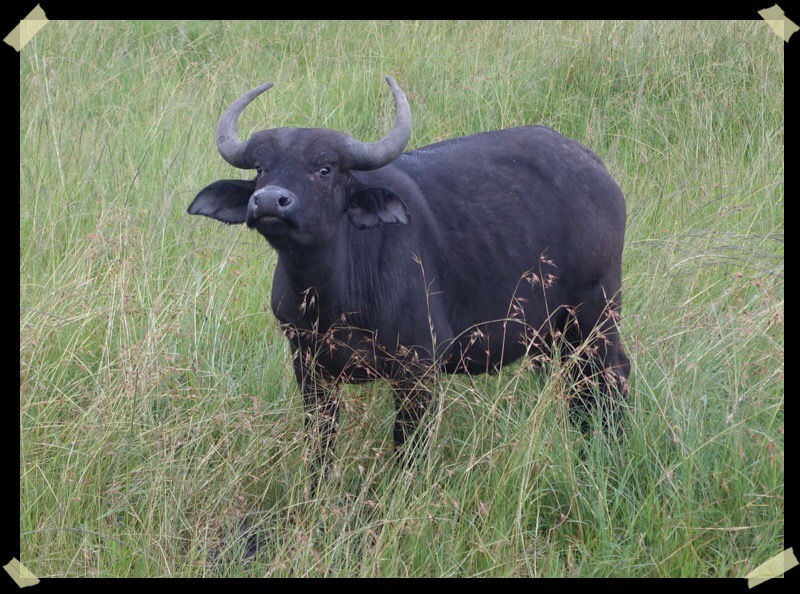
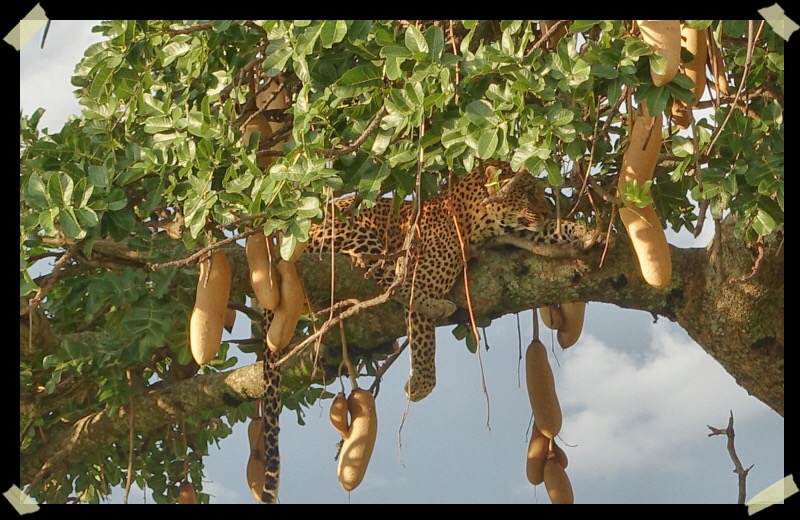
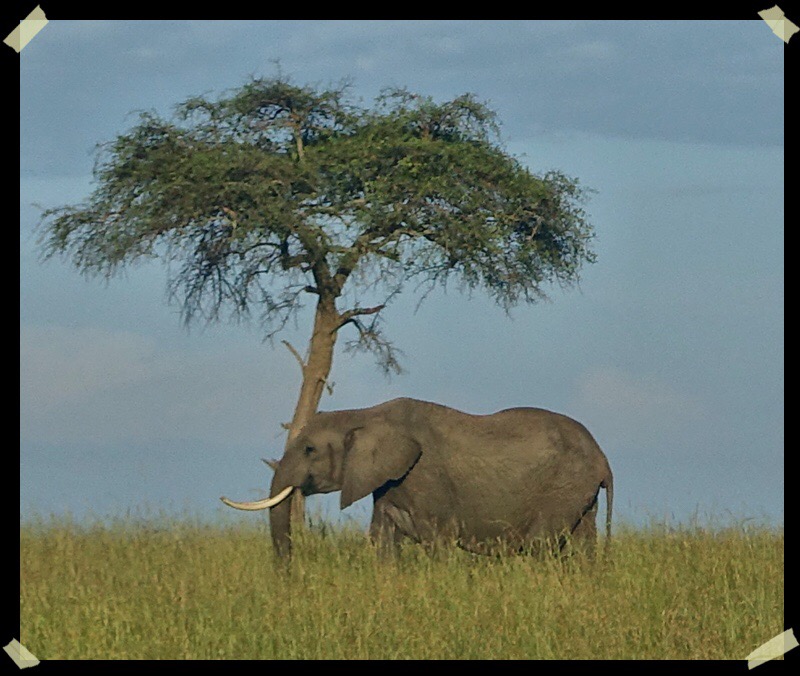
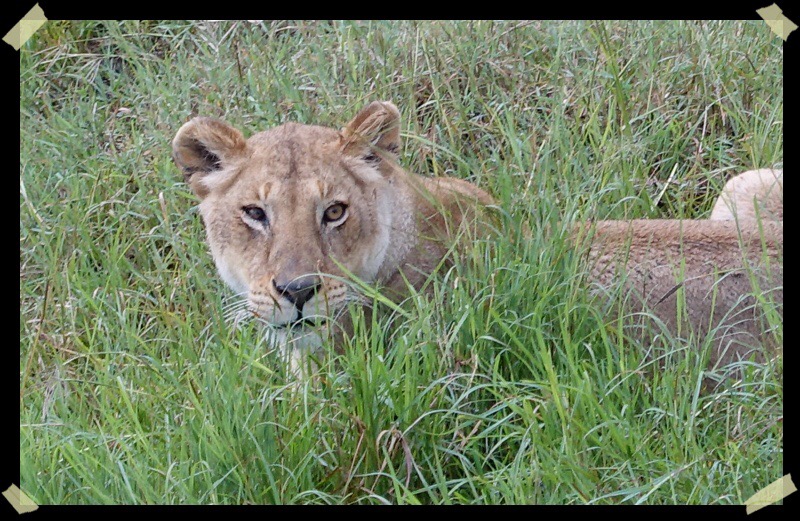
No need to explain any of these photos of some of the wildlife we saw on game drives in the Maasai Mara.


 johnageddes