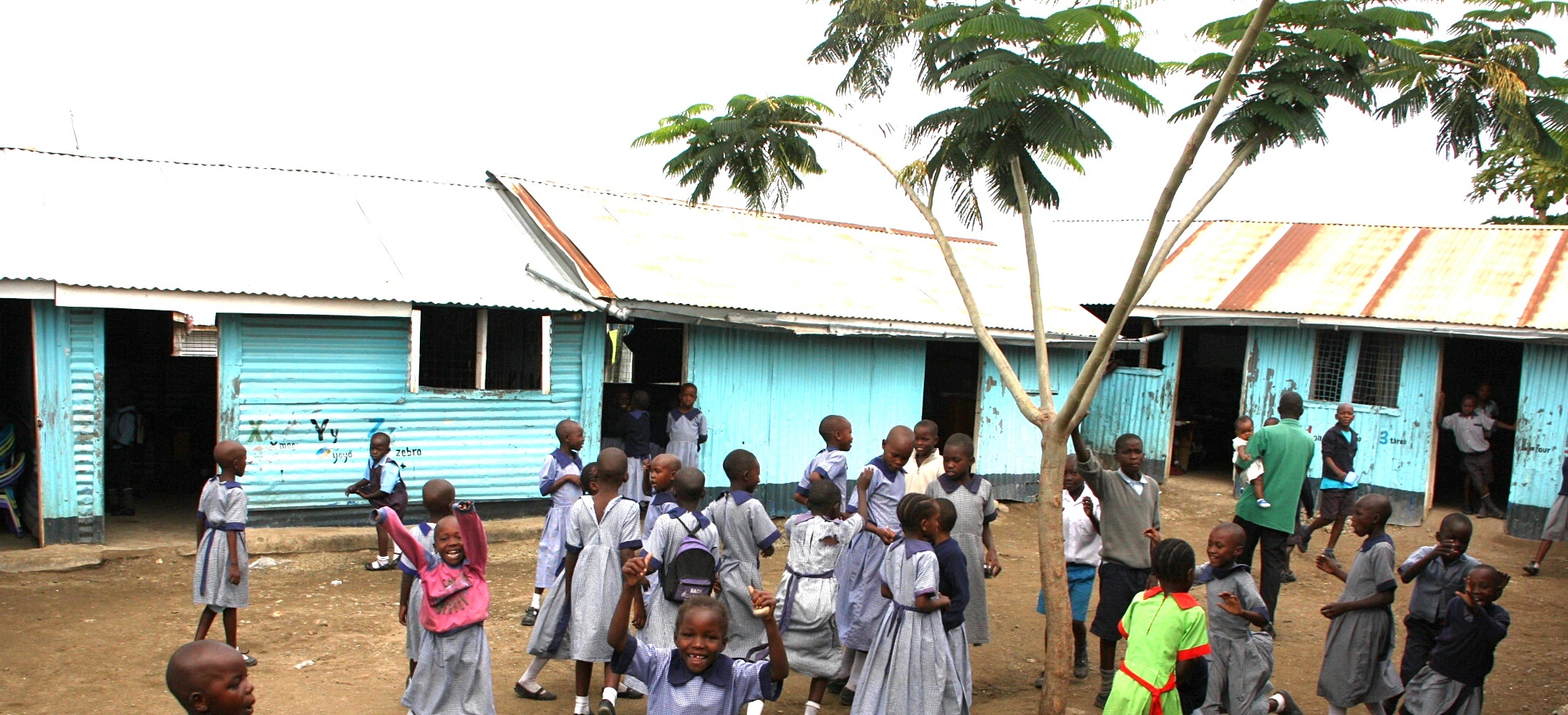
What would you do?

Peter Singer starts a recent TED talk with a dramatic video of a small child in China being knocked down by a car on the street. As she lies there, injured, three passers-by totally ignore her. The incident is reminiscent of the Good Samaritan story from the Bible, where a priest and a Levite ignore the plight of the injured traveler on the road before the Samaritan stops to help.

Singer asks the audience – “How many of you would have stopped to help?” Not surprisingly, most of the hands go up.

African Child - can you overlook her needs?

African Child – can you overlook her needs?

Singer then says something like “Well, there are children all around the world who live in poverty, vulnerable to preventable violence and disease – millions of them. Are you paying any attention to them?”

“Unicef reports that in 2011 over 6.5 million children under age 5 died of preventable poverty-related diseases.”

Singer is an Australian philosopher and humanist who writes and speaks out about many ethical issues including poverty and animal rights. In 2009, he wrote a book called “The Life You Can Save”. In the book he encourages readers to commit to helping developing communities with a small portion of their income. If you can afford to pay $2.00 for a bottle of water that is free from the tap, do you not have money to spare – to share, in fact, with others who are living without many of the necessities of life that we take for granted?

His message is not a guilt trip. He encourages us to enjoy the fruits of our labours and our good fortune at living in a community where there is law and order, fresh water, social responsibility and enough food but to share a portion of that with others who must live without those amenities.

We are constantly bombarded in the media with photos of children in North America who have perished in the natural (or unnatural) disasters like the recent tornado in Oklahoma City or the bombing at the Boston Marathon. Our hearts go out to the families of these children and we feel sad and that these deaths seem unfair. These are a very few children whose stories touch us because they are in communities like ours.
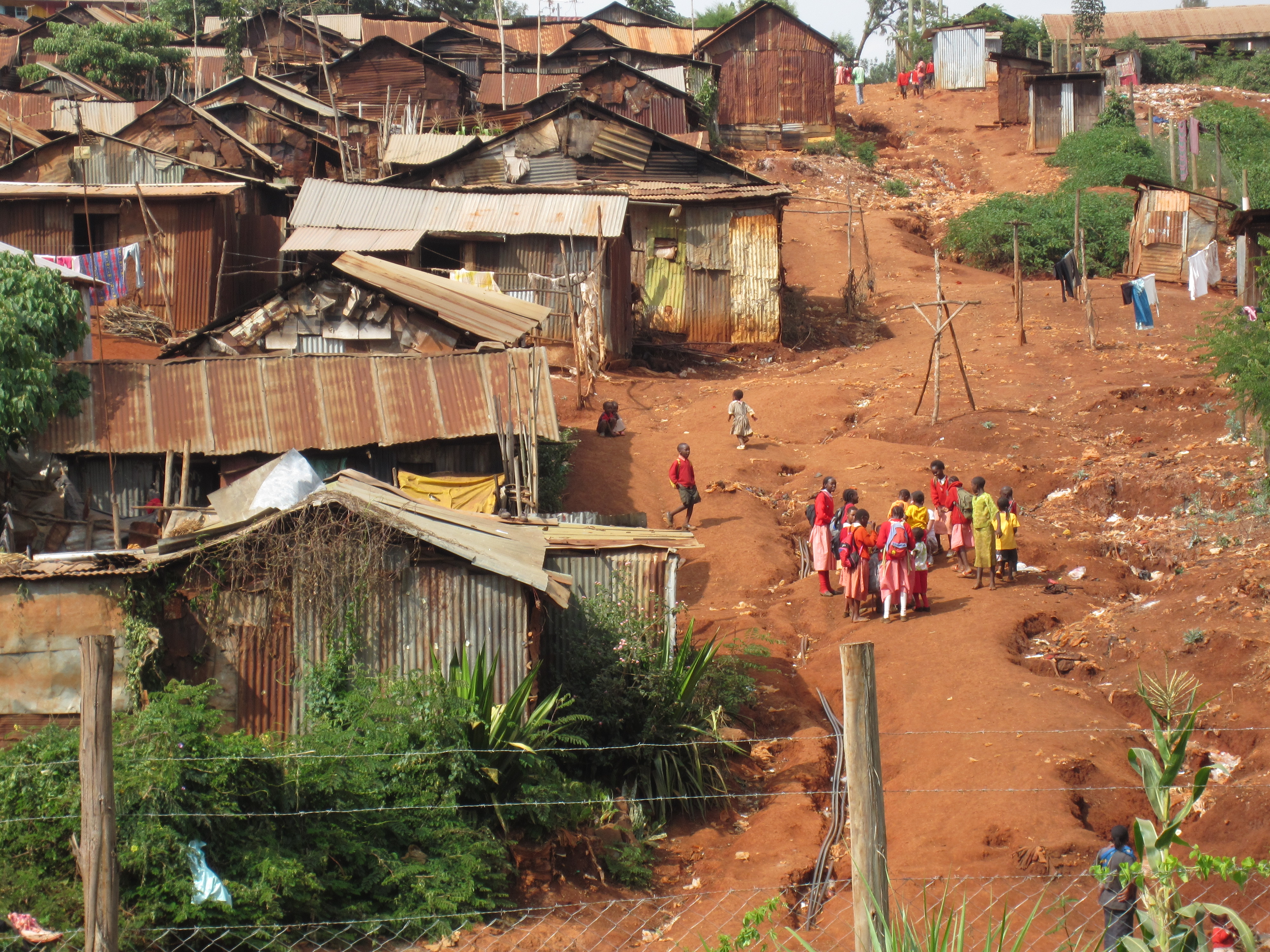
Nairobi slum

Nairobi slum

But what about the mothers of the 19,000 children who die in the developing world every day from preventable poverty-related problems? Do we give them much thought? Do we pour money into the developing world to help these 19,000 like we do to help families of the few North American families touched by tragedy?

Think about this for a minute. It is sobering. 19,000 per day.

The CanAssist African Relief Trust is attempting to so something, however small to help these families in East Africa. Rather than pick a few children for special attention, CanAssist funds community infrastructure projects like school classrooms, water and sanitation improvements, food security through local agriculture and health care facilities. We have funded around $300,000 in projects since 2008. Our Canadian community helping communities in Africa.

If you are interested in what we do, please look at our website http://canassistafrica.ca We are always happy to receive support, moral or financial, for the work we are committed to do to lessen the effects of poverty for vulnerable East African families.

(If you would like to participate in what CanAssist is doing to help communities in East Africa you can donate using the Canada Helps link below.)

donateNow2b1

Here is a link to the Peter Singer TED talk. If you have 15 minutes please listen to what he has to say.
What famous figure, alive or dead …

I am sure that you have all played this game. “What famous figure, alive or dead, would you like to meet?”

I keep this at “famous” figure as there are many deceased relatives that I would like to visit with again. I would really love to meet my grandparents, now, as an adult. How different it would be to relate to these people and see them for who they really are rather than through a child’s eyes.

And when I look online at the choices people make they range from Jesus Christ to Lady GaGa.

Today my choice is Angelina Jolie.

Apart from being incredibly beautiful, this woman intrigues me. I know very little about the Brangelina stuff that I see on the tabloids as I check out of the grocery store. I have not seen the Lara Croft movies (or any of her movies, in fact) nor do I have any desire to do so. I have, however, seen television interviews in which she has surprised me with her insight, intelligence, eloquence and general “down to earth” demeanour.

I have been impressed that Angelina Jolie has used her celebrity to promote awareness of problems in the developing world and has even adopted children from these areas. She is a United Nations Special Envoy for Refugees and has worked for the UNHCR for some time. In some ways her adoptions have followed the principles espoused by Peter Singer in “The Life You Can Save”. Enjoy the fruits of your work and privilege but also share some of that with others less fortunate. She has three kids of her own and has balanced that with three more that were adopted from the developing world. She has struck a chord with me as I think she has made a genuine effort to use her celebrity to help others.

I am anxious to see In The Land of Milk and Honey, a film that will be released in North America next month – one that Jolie wrote and directed. The plot revolves around a love story of a Serb and a Muslim in Bosnia during the war in that country. I worked in Bosnia for several years and heard horrible stories of violence, rape and ethnic hatred that tore families apart. The film is fictional but the setting real. So real, in fact, that Jolie ran into problems getting permission to shoot the film in Bosnia as originally planned and had to move filming location to Hungary. The film was shot in both Bosnian (with subtitles) and English. I want to see the Bosnian version. I admire Jolie’s gutsy decision to tackle this subject and put her reputation on the line at the same time as writer/director rather than actor with a film that will not be a blockbuster but will explore a delicate topic.

But today’s news was the topper. Angelina Jolie has revealed in the New York Times that she has had a bilateral mastectomy in order to reduce the risk of her acquiring breast cancer after finding that she carries the BRCA1 gene for the disease. Her mother died of breast cancer in 2007 and she is at significantly increased risk herself, being found to carry the genetic mutation that will elevate her lifetime risk of breast cancer significantly. She has made this decision so she can reduce her risk and be available for her children. This must have been a huge decision for a movie celebrity to make. By being open with this Angelina Jolie has also done a great service to other women who face the same risks. Once again today’s revelation by this celebrity also strikes home to me as my wife died of breast cancer at age 48 and one of my daughters, already touched by breast cancer at a young age, has elected bilateral mastectomy with reconstruction to minimize her risk of recurrence. I was proud my daughter for making this difficult life choice and I can relate to the angst that Angelina Jolie must have suffered as she made the same decision (at almost the same age).

We often look at celebrity through a very tainted lens. We see them through Hollywood gossip columnists and papparazzi. But under the movie star veneer live real people who live with personal challenges just like the rest of us.

Today my celebrity hero is Angelina Jolie. I am free for lunch tomorrow if she is.

Fifty Years ago – 1963

It’s strange how the mind can wander. Or at least mine can.

I had a brief Facebook interaction yesterday with friends in which I referenced Mohammed Ali with his well known “floats like a butterfly, stings like a bee” comment. It immediately called up a memory of being on holiday with my family in Western Canada in July 1963. I was a month away from turning 16 and Sonny Liston had just beaten Floyd Patterson to become heavyweight champion of the world. But Cassius Clay (he changed his name to Muhammed Ali a couple of years later) was able to immediately upstage Liston with a challenge and prophesy, “Liston’s not great, he’ll fall in eight.” I was not at all interested in heavyweight boxing at the time but I still remember being in the car and hearing this on the radio as we travelled through Manitoba. I also remember watching a solar eclipse through exposed film two days earlier and having vivid recollections of listening to 13 year old “Little Stevie Wonder” singing Fingertips Part 2. I bought the record – a “45” – when we got home.

Rehearsing for my role as Mr. Spettigue in Girl Crazy-1963

Rehearsing for my role as Mr. Spettigue in Girl Crazy-1963

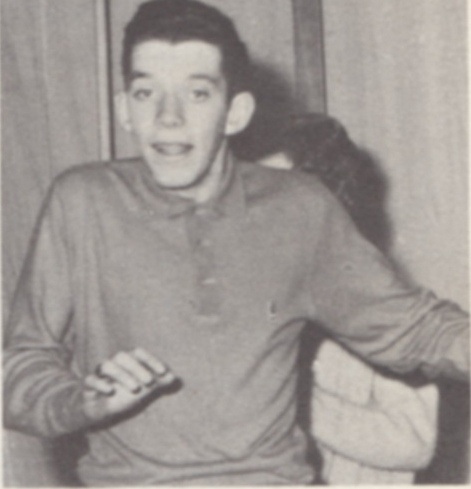
I started wondering what else was going on in 1963. I was going into Grade 12 at London Central Collegiate Institute. I was a nerd. I wore corduroy flood pants and sweaters with designs on them. I was into many extracurricular activities, including playing the role of Mr Spettigue in Girl Crazy and dressing up as Quack version of Bess the Landlord’s Daughter in an election skit for my friend Daphne Ward (now Bice). Her campaign theme was centred around Daffy Duck. She didn’t win. The Daffy Duck approach has not been used by politicians since.

I remember sock hops in the gym. I wonder what became of teachers like Hunk Wyatt, Miss Wyanko and Mr Webb who all seemed absolutely ancient (they taught my mom, in fact) but who were all likely younger than I am now.

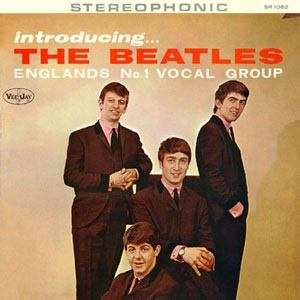
imageThe Beatles released their first hit, Please Please Me in early 1963 and this was followed by other singles and an album…in stereo. They had not yet appeared on the Ed Sullivan Show but Beatlemania was sweeping the UK in 1963. Their long hair verged on scandalous.

Gasoline cost 29 cents a gallon (not litre) and a loaf of bread was 22 cents.

Alfred Hitchock’s “The Birds” was a popular movie along with Elizabeth Taylor and Richard Burton in Cleopatra. Ron Howard was Opie on the Andy Griffith’s Show.

You will be familiar with Bob Dylan’s song, “Blowin’ in the Wind” made popular by Peter Paul and Mary in 1963 but you may not have heard Eydie Gorme’s “Blame it on the Bossa Nova.” Does any body do the bossa nova any more? Blame that on Eydie Gorme.

By far the most memorable event of 1963 was the assassination of John F. Kennedy. I remember the moment that news broke. I recall where I was sitting, the teacher and in the classroom I was in when the principal of the school broke into the lesson over the PA system. I spent the rest of the dreary November weekend glued to the black and white TV that was in the corner of my grandparents’ living room as the rest of the drama, including the shooting of Lee Harvey Oswald, unfolded.

imageEarlier in the year, Martin Luther King gave his “I have a dream” speech and racism and civil rights were paramount in the news. Civil rights movements were being met with violent opposition and it took policemen to allow two black students admission to the University at Birmingham Alabama. Fifty years later the President of the United States is African American. A significant change for the good within my adult lifetime.

It is weirdly wonderful to me that I can remember these events from 50 years ago so vividly. Lots of images and experiences filed in there somewhere.

Oh, and just in case you think I am showing my age, Johnny Depp and Brad Pitt were both born in 1963 which makes them 50 this year. Time marches on.

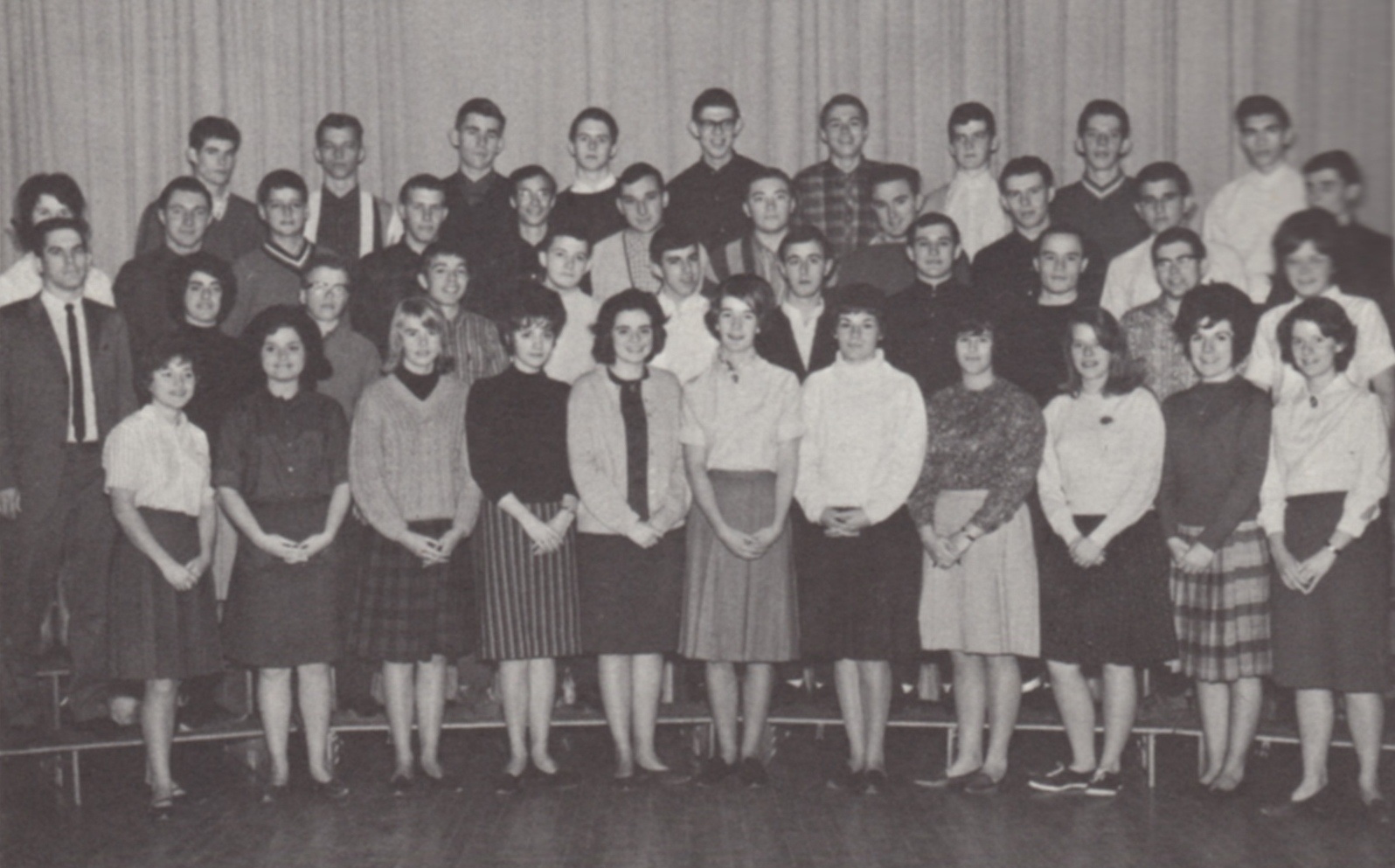
My grade 12 class in 1963. I am in the top right with the V-neck sweater.  Over the years, my head has grown into my ears.   At the far right in the first row is Lorna Harris . Lorna and I are still great friends after these 50 years, corresponding regularly by Facebook and email.  An enduring friendship. Could we ever imagine what the next 50 years would bring?

My grade 12 class in 1963. I am in the top right with the V-neck sweater. Over the years, my head has grown into my ears.
At the far right in the first row is Lorna Harris . Lorna and I are still great friends after these 50 years, corresponding regularly by Facebook and email. An enduring friendship. Could we ever imagine what the next 50 years would bring?

Grandmother’s Breath

It is 15 years, almost to the day, that I first went to Sarajevo to start work with the Queens Family Medicine Development Programme in Bosnia and Herzegovina.   I find it hard to imagine where those 15 years have gone.

I remember arriving in Sarajevo, flying into the airport over houses whose roofs had been destroyed by the recent war.  The city had been devastated and in the dreary spring weather looked particularly tired.

On March 24 we had a light snow and a cooler dip in temperatures to about 2 degrees.  The locals called it “Grandmother’s Breath”.  I always wondered why that might be the nickname for this last burst of winter.  I always had associated grandmothers with warmth and comfort. Maybe it was grandmother winter saying “I’m not done yet.  There is still breath in me.”  Just when it looks like spring is on the way, there is a brief and surprising turn to the life of old winter.

photoThis past two days we have experienced Grandmother’s Breath in Kingston. We wake up in the morning to a fresh whallop of snow.  As the day goes on the sun quickly warms our spirit however and melts much of the snow on the sidewalks and streets.  Winter saying, “Don’t give up on me yet, I am not through.”

This reflection made me look through an old journal entry I had written on March 25, 1998.  It was the start of  an adventure in Bosnia that lasted for 11 years and my foray into International Development that has taken me in a direction I would never have imagined.

It is also obvious that digital photography has come a long way in the past 15 years!

 Sarajevo. March 25, 1998.

The apartment where we are staying is very interesting. It is an old, high-ceilinged place on the top of a hill. It has a great view from the balcony overlooking the main part of the city and the mountains beyond.  There are several places in the wooden floors that are splintered from bullets that would have come through the windows during the war and the outside of the building is pock-marked with the shelling from grenades.  Buildings nearby remain totally gutted.

The view from our Sarajevo apartment in March 1998 after "Grandmother's Breath" had dumped a bit of snow on the city.

The view from our Sarajevo apartment in March 1998 after “Grandmother’s Breath” had dumped a bit of snow on the city.

There has been a light dusting of snow. The locals call it Grandmother’s breath, the last winter’s snow. It is about 2 degrees. Today the sun is shining. There are a lot of funny things about living here. The water is often shut off during the middle of the day or at night which makes flushing the toilet a bit of a problem. You have to plan your washroom activities around the water or let it sit there until the water comes back on.

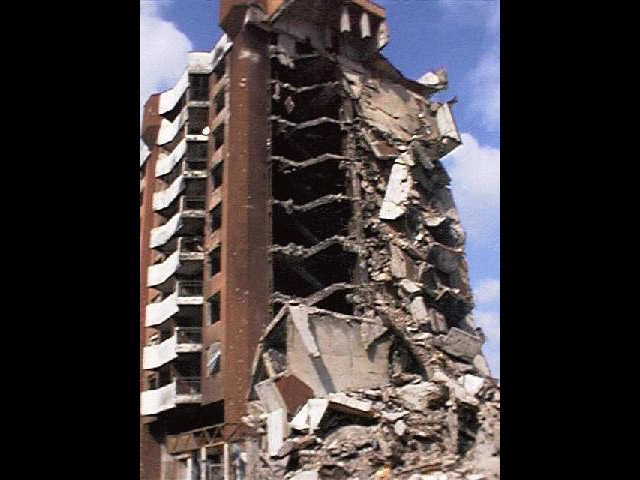
Many of the buildings in Sarajevo had been destroyed by the recent war.

Many of the buildings in Sarajevo had been destroyed by the recent war.

The food is great. The Bosnians tend to be meat and potato people. Lots of Lamb and Veal but they have some other great vegetable dishes as well. Today for lunch we went to a little restaurant to have Cevapcici, a sort of pita  thing made a local bread called Somun filled with grilled sausages, vegetables and onions. This is a popular meal like a hamburger in North America. Last night we went to another little restaurant that was like a deli with lots of good selection of local foods. The local beer (pivo) is called Lachka (or something similar) and I have had a few cans.

Sanitation improvements on Rusinga Island

Rusinga Island, on the shore of Lake Victoria, is off the beaten path for development and in a very poor region of Nyanza Province, Kenya. The people in lakeshore beach villages rely on fishing for their meagre incomes and the population of the villages fluctuates with the season. Declining fish stocks in Lake Victoria and lowering sale prices for their catch has made living conditions difficult for these people.

Kaswanga Beach - Rusinga Island, Kenya

Kaswanga Beach – Rusinga Island, Kenya

The CanAssist African Relief Trust has been looking to improve sanitation in four of these lakeside commnities. The villages may have a population of between 100 and 400 inhabitants throughout the year and have had no toilets or washing facilities. Bathing has been done in the lake where there was no privacy and near the same region where household water was drawn for both cleaning and even drinking. The fields near the village were makeshift night toilets and became both contaminated and a health hazard. When it rained, fecal contamination was washed into the lake close to the bathing/water retrieval areas. This, of course, provided a significant health hazard for diarrheal diseases like typhoid and cholera.

CanAssist has been working through the Badilisha Ecovillage Foundation on the island to improve this situation.

VIP (Ventilated Improved Pit) latrines and a washing room at the Kaswanga Beach community.

VIP (Ventilated Improved Pit) latrines and a washing room at the Kaswanga Beach community.

We  built latrines at four of these villages around the island. Although four stalls may not really seem adequate to serve the population of the village, these are four more than zero and the communities are grateful for their addition. The fields adjacent to the villages are much cleaner. Fecal contamination no longer is washed into the lake near the village where water for drinking, washing and cleaning is gathered.

The communities have also asked for washing facilities so that they can have some privacy when cleaning themselves and also discourage contamination of their water supply with detergents and soaps. Last year, assisted by a specific donation from the Mission Committee of St.Peter’s Cathedral in London, Ontario, CanAssist built two washing rooms with cement floors, four private stalls with doors and drainage into a grey-water underground pit.

I visited the Kaswanga Village in February (see the movie trailer here! and was assured that these improvements, which may seem rudimentary and even crude to the North American reader, were making a grand difference to the people who live there.

The treasurer of the Beach Management Unit smiled and added ” If we could get a water pump to bring water from the lake to a raised tank near the washing facility it would be warmed in the sun and we could have warm showers.”

Some things that we just take for granted are deemed luxuries to many African villagers.

Kenya Elections

Kenya is having a very important election on March 4, 2013.  Not only will the outcome of the election determine the course that the country takes in the next four years, it will test if  fair, democratic elections, free of tribal antagonism  can happen in Kenya.  Last time it was a disaster.  I do hope that this election is free of corruption and tribal violence.

This is a copy of an article that I wrote for the Kingston Whig Standard when I was in Kenya last month. It was published on Saturday February 23.

Kenya goes to the polls on March 4 and throughout the. country there is an air of anticipation and some angst.  After the last general election in December 2007, allegations of rigging and unfairness led to two months of tribal turmoil that left about 1500 dead and many people displaced.

Traditionally, political parties in Kenya have been organized with tribal affiliations.  There are over 40 tribes in Kenya, each with their own customs and language. Three of these make up the majority of the population and since the country got independence in the early 1960’s governments have been predominantly formed by these.  In a culture where nepotism and rewarding friends is common, this meant that many people were left disadvantaged because they had no effective political representation.

But this is changing.  The ruling President, Mwai Kibaki, has had his share of corruption scandals and improper political manipulations but the freedom of speech and right to protest that was introduced when he was elected in 2003 is remarkably different from the preceding regimes of Moi and Kenyatta.  Under their rule, dissenting views were not permitted and perpetrators were punished and even tortured.

 The resulting opening-up of the press and media and the ability for people to freely challenge or express opposing views has allowed Kenyans to participate more openly in the process. Last week, an historic open debate between the 8 Presidential hopefuls took place. Kenyans throughout the country were glued to their radios or looked to find televisions to witness their leaders actually debate policy rather than just face off like power mongers.  This sort of open contest of ideals has never happened here before. It symbolizes progress.

After the last election, some Kenyan leaders were indicted to go to The Hague on charges of crimes against humanity resulting from their alleged inciting of the 2008 post election violence.  In a peculiar twist, two of these men, whose followers in 2007-8 were in violent opposition to each other, have united into one party and are seeking the posts of President and Vice President.  Although this seems a strange alliance, there are many who support their party because of their tribal allegiances.  On the positive side,  the uniting of these two opposing groups into one party will likely dramatically dilute the risk of violent post-election conflicts this round. On the down side, if they are elected it may provide some strain on international relations.

Another hopeful sign of democratic progress occurred last month when party nominations were held.  Because there is an almost assured win for some parties in different constituencies, and because new alignments of parties and tribes have happened since the last government was formed, the competition to get the nomination certificate was fierce.  In some regions, winners were announced that clearly were the result of unfair practices or rigging of the voting process.  This led to protests in many areas and although these were sometimes rowdy, they did not lead to violence.

And what is even more encouraging, in many locations, the nominations that were announced with corrupt support were revoked and the candidates preferred by the people through a legitimate voting process were installed.  Many established Members of Parliament lost their positions and thereby their power to control. 

In one city there was great celebration as the corrupt nominations were overturned and a joyful parade ensued, people singing and waving tree branches in a symbol of peace.

Kenya is a young democracy. Canadian confederation occurred in 1867 and one has only to look at the Robocall scandal in 2011 go know that we still have some problems with our elections. Kenya was granted independence in 1963 and so are 100 years behind us in development of governance. In this technological age we are used to things happening with immediacy.  The growth of a democratic society takes time.  For years this country was under colonial rule with a control being in the hands of a few.  Kenyans learned that power was concentrated at the top and that individuals, particularly Africans, had little opportunity to express their political views or have any influence. So it is no wonder that it is taking time for Kenya to grow into a freely democratic society.

The people who live here are anxious for this change to happen and it may be frustrating to them that it is so slow.  But in the ten years that I have been visiting Kenya, there are many improvements and opportunities for citizens to express themselves freely and exercise their franchise to vote.  As a result of the new constitution, the judicial system has been revamped and people now have confidence that they can be represented fairly in their courts.  

 The upcoming elections will be a chance to overcome the turmoil that ensued after the last debacle which may turn out to be a difficult but essential lesson.  The consensus now is that with the contentious party nomination process behind them, the introduction of electronic voting for the election (supported in part by Canadian aid), a fair judicial system to prosecute perpetrators of crime and violence, and the realignment of parties and constituencies there will be an openly fair upcoming election. I hope that the country will be able to celebrate progress after March 4.

This article on BBC may expand if you are interested in learning more.

BBC news video about the upcoming Kenya Elections.

Beautiful Kenyan kids …

In July I related the story of Jerry O, a young Kenyan orphan boy whose story surprised me and touched my heart.

You can read the blog article here : The story of Jerry O.

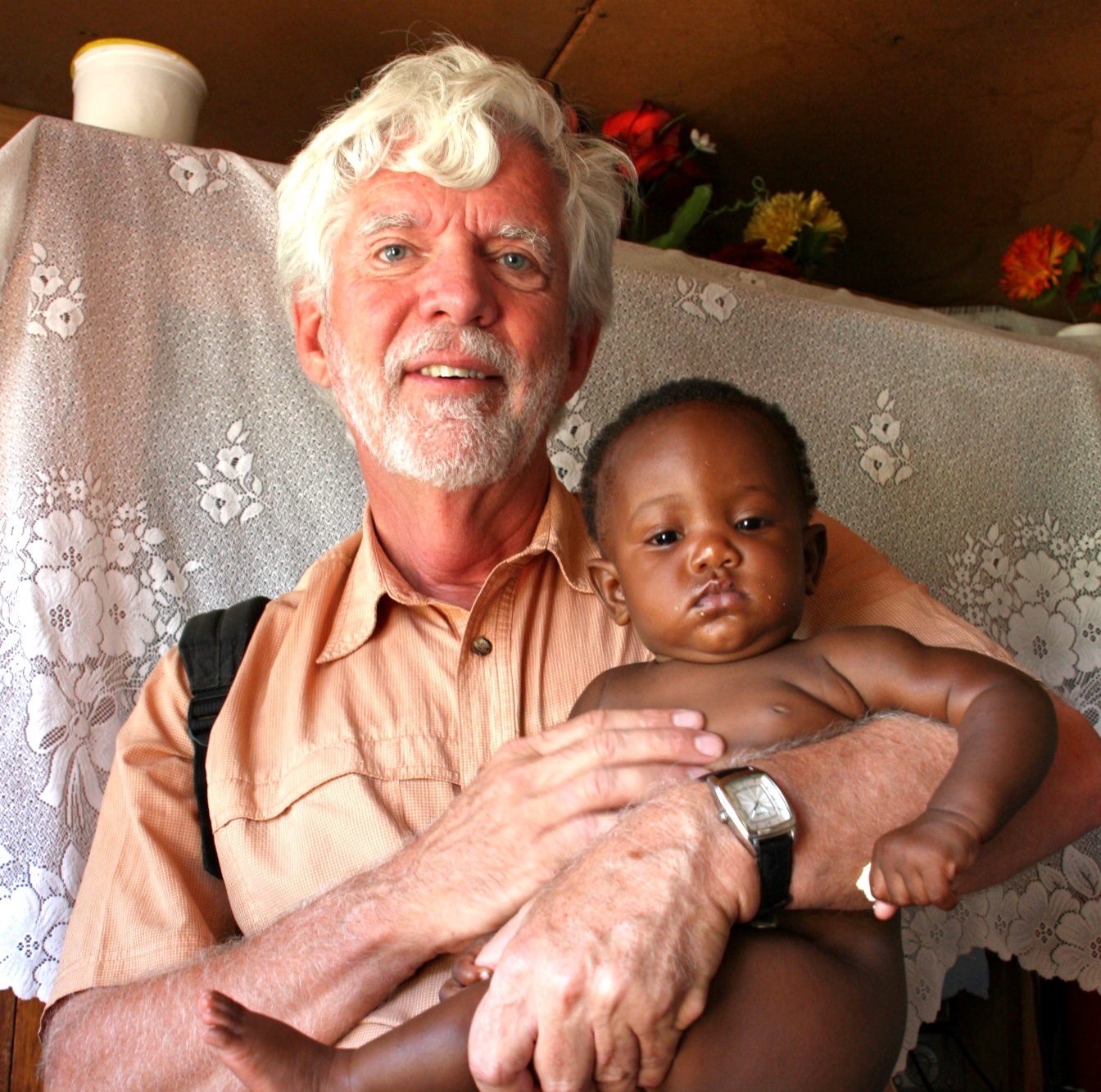
Today I visited the Hope School in Mbita Kenya and in one classroom the teacher plunked this kid into my arms. “Here is your friend, Jerry”

His problems continue but the child looks robust and is obviously being cared for by the school and his adoptive mother. A delight to see him again.

Me and Jerry O.  - 2012/2013

Me and Jerry O. – 2012/2013

On Tuesday morning I also met Lorraine Kathryn, six month old daughter of Kennedy Onyago who was name was taken from that of my mom (Lorraine) and my daughter (Kathryn) and granddaughter (Cate Lorraine). I introduced you to little Stewart Geddes last week … Well, meet Lorraine Kathryn (Kathy) today! Another Geddes namesake – an honour for our family.

Lorraine Kathryn (Kathy) Onyango

Lorraine Kathryn (Kathy) Onyango

A letter to my grandson, Noah …

Dear Noah

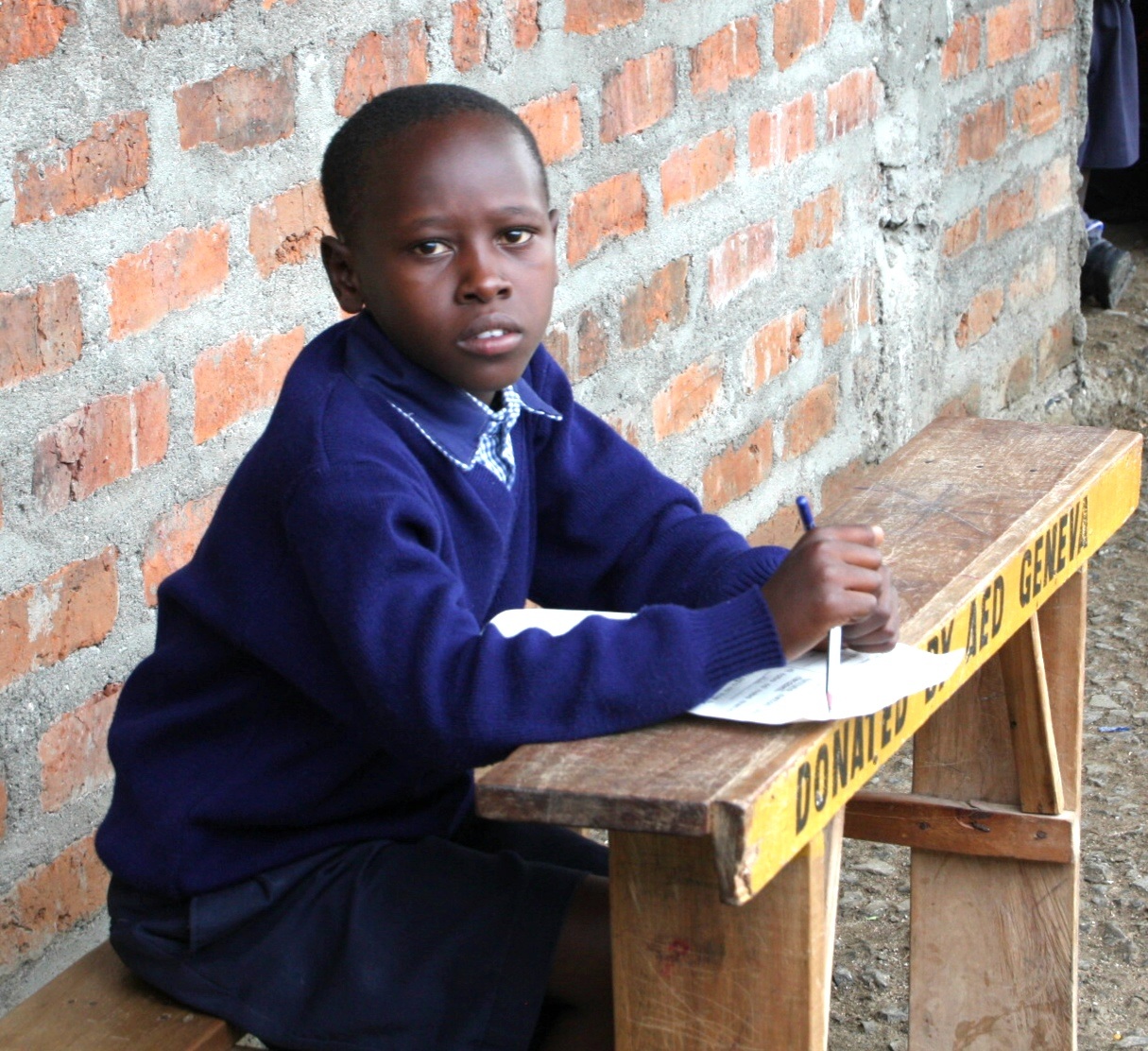
This week I visited the Kanyala Little Stars school on Rusinga Island in Kenya. I have come to this school every year for the past nine years. The school is quite small in size but there are now 306 students registered at it from nursery class to grade 8. Last year they graduated their first Grade 8 students who are now eligible to go on to secondary school. Unfortunately many of these kids don’t have parents who can afford to send them on to high school. Their academic performance in the standard exams was very good – one of their students was second amongst hundreds in the district.

imageWhen I went into one classroom their first quesion to me was “How is Noah Budd?” They remembered that last year on your birthday you told your friends not to bring presents to your party but to bring some money to buy supplies for these students in Kenya. When I visited the school last February,I took them school supplies and a soccer ball and
a picture of you that they have hanging in the school office. The students in grade 3 wanted me to say hello to you. I though it was better if they do this themselves so I took this short video to bring their greetings back to you and a song for you as well. I hope that you enjoy it and that you are glad to know that your kindness to these students who you don’t know and who live far away in Africa is something that they know is special and they are grateful for your caring.

In one class they were studying mathematics, doing algebra equations. I told them that you, too, like math and that some day I hope that you can come and visit these kids in person.

In the schoolyard is a tree that I planted in July 2011 when I brought some CanAssist supporters to Kenya and we visited the school on what they called “The Big Day”. The tree is growing just like the students and hopefully will soon be providing some shade in the small play area.

image

Noah, I want you to know that the kindness you showed to these fellow students by giving up a few birthday presents last year to send school supplies to Little Stars School was a generous and thoughtful act which they remember with thanks. And I, too, am proud of you for your kindness in sharing with others.

Love,

Dedo

A taste of Migori, Kenya

imageI met Edward Kabaka a couple of years ago and we have worked together on several projects in the Migori region of Kenya. On the weekend, Edward came to pick me up and we went to Migori where I was able to visit three CanAssist project partner groups.

After dinner entertainment

After dinner entertainment

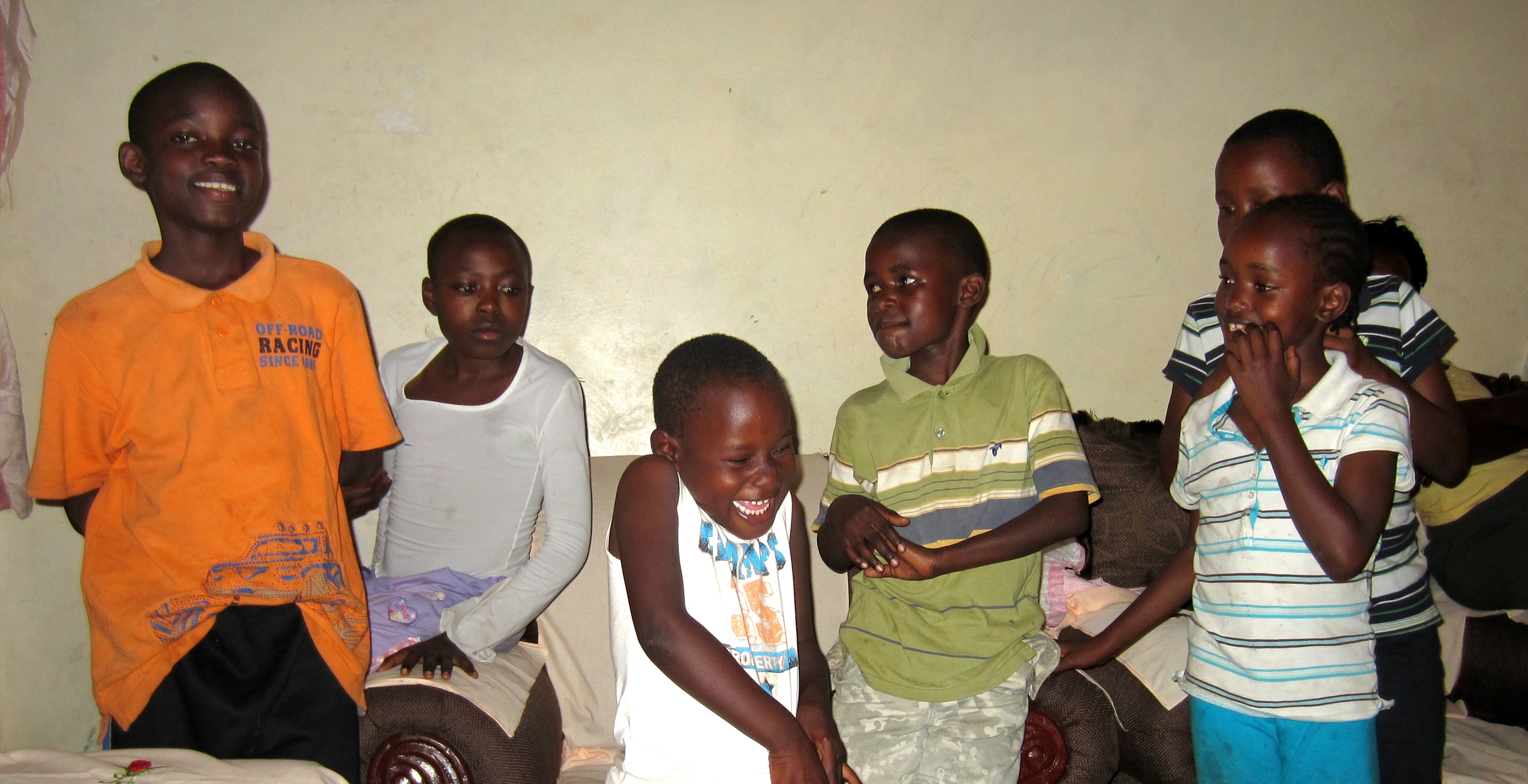
On Monday, Edward invited me to his home for dinner and his wife prepared a huge spread of food. After dinner the three youngest girls daughters and some of their neighbour friends sang and danced and recited poems for me. I thought how similar kids are all around the world, remembering my own putting on “shows” after dinner and thinking of my granddaughter, Emma, twirling around and showing me ballet moves.

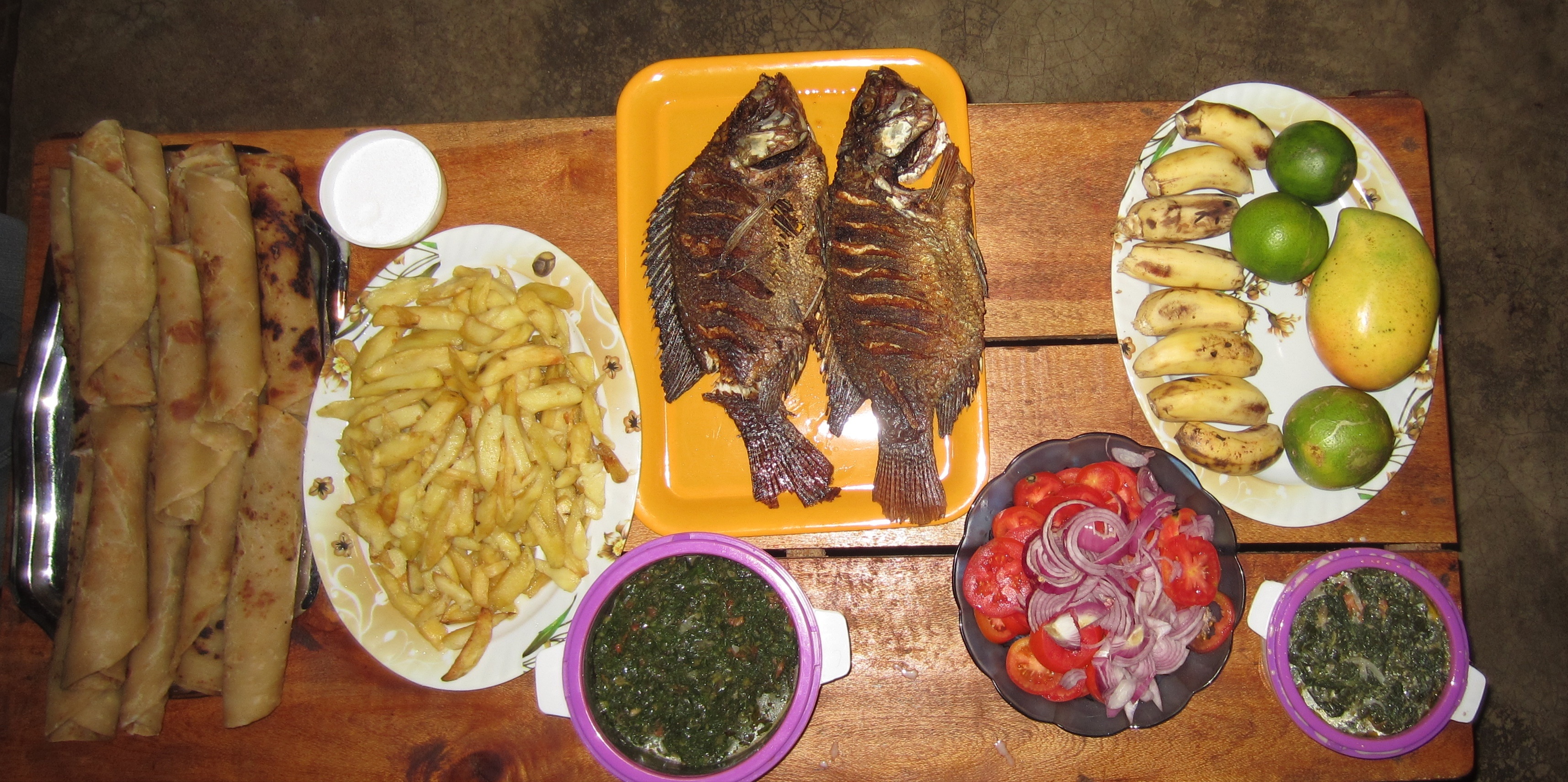
I took the opportunity to get a photo of the food before we dug in. I am often asked what i eat while in Kenya. This meal had many of the common staple foods that i am offered here, although not usually all together as in this spread. In addition to rice and beans which were on another table we were served chapati, chips, tilapia, sukuma wiki (shredded kale), tomatoes and onion, indigenous greens, bananas and papaya.

The other common staple for Kenyans which we did not have this night is uglali, a corn meal boiled doughy mixture that replaces our bread and is usually served in a huge mound. In addition to being a filling basis for a meal, uglali often acts as an edible utensil. The dough is rolled in one hand, a thumbprint cavity is made in the ball and used to scoop up other foods. It all pops into the mouth.

I came away stuffed with food and friendship and lots of smiles.

image