Unknown's avatar

About johnageddes

Kingston, Canada based family physician, photographer, grandfather, thespian and philanthropist. Founding Trustee of the CanAssist African Relief Trust. Development work in Bosnia and Herzegovina and East Africa.

Merry Christmas

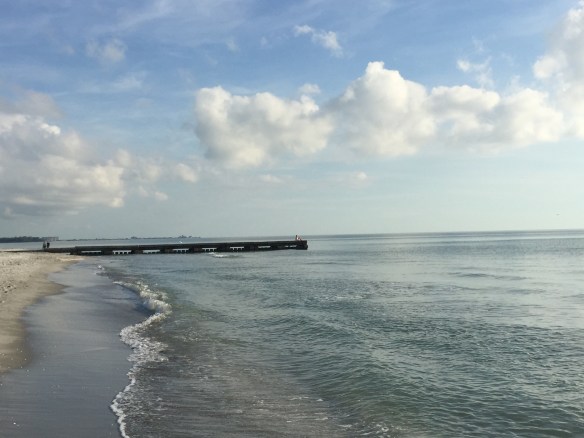
I have made my annual trek back to Longboat Key Florida for my (non) Christmas vacation. Sunny skies, no snow, barefoot walks in the surf, movies, pretzels, Netflix. 

Friends were going to join me this week but cancelled at the last minute because of inclement weather.  My flight out of Kingston was also cancelled the morning I was to travel but not wanting to delay and always able to find a plan B, I took the train to Toronto and stood in a few line ups, eventually arriving about an hour later than scheduled to warm salt water breezes. I have grandkids coming this week so am soaking up the silence and indulging myself in preparation.

I wish my friends and family a satisfying 2017.

Movies – no spoilers.

One of the indulgences that I enjoy when I come to Forida for the Christmas holidays is taking in a few of the movies that are released year-end.  Since I am here for three weeks this year, I can easily enjoy a few afternoons to take the Longboat Key trolley into Sarasota, see a movie and be back on the beach for an hour long walk to soak up the golden sunset.

Here are a couple that have seen so far.

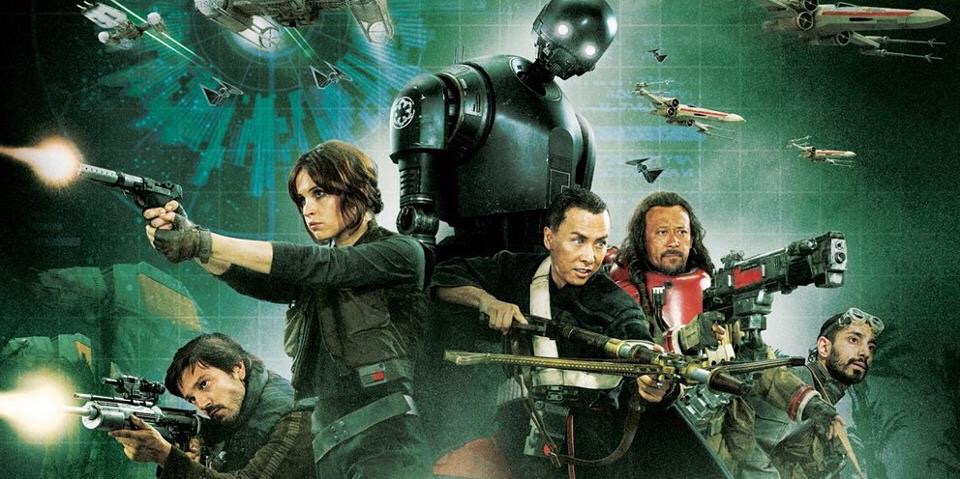
Rogue One

Why can’t these Star Wars movies be released in some sort of chronological order? They are all starting to look the same to me, maybe because they are all the same, the only additions being the jump in technology in the 40 years since the franchise began. I have to wonder about a movie that I thought the character with the most depth was a droid.

Put on the 3D glasses… A long time ago in a galaxy far, far away….Speeding airships. Crashes. Explosions. Sparks flying. Big music. More sparks. Lasers.  Ping ping,  More explosions. Where are we now?   Who are these people?  Swells of French horns. Eye glances between the protagonists. I thought they didn’t like each other. Father-child reunion.  Violins. Swoopy hats, or are they helmets. Explosions. A city destroyed. Big CGI boulders coming at us.  Dead storm troopers. French horns and violins together. How much more? I have to pee really badly. Dizzying heights. Will she fall? Trite dialogue. Explosions. Big air ships colliding.  Saved? Eye glances. That looks like…Too late it’s over. Full orchestra. Credits. Rush to the toilet. The force be with me.   Ho hum.  3 stars out of five.

Nocturnal Animals

Where Rogue One was in my face, this one got into my head.  I knew from the opening ten seconds that this is going to be an edgy film. I saw the name Amy Adams but have to admit that the visuals in this opening sequence were so distracting that I saw not one other title or credit as the opening sequence ran.  The film is a two hour nightmare.  And that is meant as a complement.  Amy Adams plays a bored, unhappy art dealer named Susan with a cheating husband and a superficial unfulfilling career.  She receives a manuscript from her ex ( Jake Gyllenhaal) and as she reads it she is absorbed into that story and reflects both on her past and present situations.  The movie jumps between these three settings, sometimes abruptly but always adeptly.  We are bounced in and out of an increasingly disturbing and violent story and Susan’s life.

 All of the performances in this movie were creditable and compelling but I particularly liked Michael Shannon as the crusty, enigmatic Texas lawman.  Tom Burns’ ( A Single Man) direction was what made the movie so disturbingly engrossing.  Tight close ups felt intense. Susan’s world was stark and monochromaticaly elegant but barren.  I cringed as Tony and his family drove down dark roads in the middle of nowhere in Texas, knowing the fear of the dark and and not knowing where you are going or what lurks around the corner or in the next moment. In contrast with the “blow you out of the theatre” orchestrations in Rogue One, there was one suspenseful scene where the music was a barely audible tremulo on violins. You could almost not hear it but it was there, eerily adding to the suspense.  In another segment a dull drum beat softly, mimicking a heartbeat. At other moments, dead silence added to the apprehension. 

I came away thinking of how this reminded me of the way I felt reading my friend Iain Reid’s latest book “I’m Thinking of Ending Things.”  When I got into the last half of this book I had to keep going and in my mind I could hear the violin tremulo and visually imagine, like Susan does in the movie, the story tensely unfolding. I think Iain’s book could make this kind of movie.
I liked this movie a lot but know it would not be for everyone. I will give it 4.5 stars out of 5. I am guessing that if you loved Rogue One you would not like this one and vice versa. 

Part of the fun of my movie afternoon is waiting for the return trolly at the downtown bus station. What a collection of characters there. One man yelling  angrily at another woman across the benches, a security guard who looks like he is right out of Fargo, and  someone wanting to sell me scalped bus passes. My fifteen minutes there was like turning the afternoon into a double feature.

December 10 rolls around again…

Twenty two years ago today, December 10, 1994, was the day that my wife, Barb, died after a long struggle with breast cancer.  The weather that year had been mild, much like this year, and we had not yet had snow. barb2a That evening big fluffy snowflakes fell gently and silently as Barb drew her last breaths.  Our family room had been turned into a hospital room full of equipment and medical supplies.  We had a wonderful home care nurse who looked after her physical needs while we sat beside her, waiting for the inevitable. Her death was very peaceful and, in many ways, a relief.  By the time of her death, she had been reduced to a shell of her former self.  Death is a very final marker but we had lost her true essence weeks before.

I remember thinking as she wasted away that I hoped that my remembrances of her would not be those final weeks and months but the 25 years that precede them.  Thank goodness that is the case.  Barb still appears in my dreams from time to time.  Usually she doesn’t say anything, she is just there, maybe sitting beside me in the car or chatting  with someone at a party.  And she is healthy and robust and … just there. She was outgoing and friendly and always had a little glint in her eye.

I can conjure up horrible images of those last few weeks and the many challenges of the eight years of intermittent treatments prior to that but, thankfully, that takes some concentration and I have to work at it.

barb2My life, and that of our family, took a turn in a different direction after that day. I have empathy for my kids, having lost their mother when they were teenagers.  I know that they feel the loss, still.  Dad’s are OK but Mom’s provide some nurturing that is special.

It took a while not to think I should be home for dinner but eventually that led to a pretty flexible lifestyle where I could work internationally and be away for scattered and prolonged absences.  I ended up having enriching experiences working and making friends in Bosnia and Herzegovina and then in East Africa.  I now lead a somewhat unconventional life but it has been rewarding and fulfilling in many ways that I would not have imagined or wished for 25 years ago. And Christmas? Well the Christmas season has never been the same.

I know the whole family will stop and reflect and grieve a bit today.  I don’t really believe in life after death but I certainly think one’s spirit can continue both in the minds of others who remember them and in the genes that she passed on to the five grandchildren she never got to meet.


P.S.  December 21.  I was initially surprised by the interest in this post both on Facebook and in my blog.  But then I realized that it is something that everyone relates to.  Every family, every individual, has times of disruption and challenge and even tragedy.  All of us. No exceptions.  The test is whether we can work through the crisis and move on.  Of course it takes time. But living in self pity is not productive. Doors close and others open. That’s life.  The only way to survive and be happy is to accept that reality.  Still, it is always comforting to fondly  remember those who have had positive influence on our lives but are no longer here.

Lest…

Always think about this on Remembrance Day.

johnageddes's avatarjohnageddes

Capt. Matthew Dawe.  Killed in Afghanistan in 2007. Capt. Matthew Dawe. Killed in Afghanistan in 2007.

I did not know Capt. Matthew Dawe. I do not know his family. But the death of this Kingston soldier in Afghanistan in 2007 touched me, just as the recent deaths of Corporal Nathan Cirillo and Warrant Officer Patrice Vincent did last month. The collective outpouring of grief we felt as Canadians reminded me of the debt we have to people who provided support and protection and care to our society. This includes members of the Forces but also firefighters and policemen and nurses and …

Several friends on Facebook are posting a photo of Matthew Dawe, both to remember him and his family but also as a representative of all those other people, alive and dead, we need to remember and acknowledge.

In July 2007, I wrote an article for the Kingston Whig Standard about this event. Here are some updated…

View original post 719 more words

Docks Part 3 – closer to home – Ontario

IMG_6673

Winter  – Kingston Harbour

Delta reflect poster

Dock by the Delta Hotel – Kingston

IMG_1015

Confederation Basin, Kingston – early Spring


dock 2

Eagle Lake dock


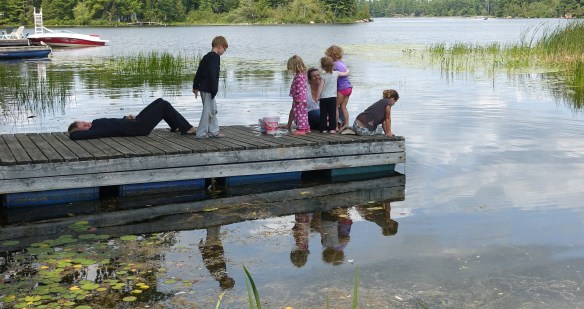
Cousins on the dock

Cousins on the dock – Ontario cottage country


WI dock

Wolfe Island dock

IMG_2194

Three minutes from my home – Kingston harbour

What’s up?   Docks!  – Part 1

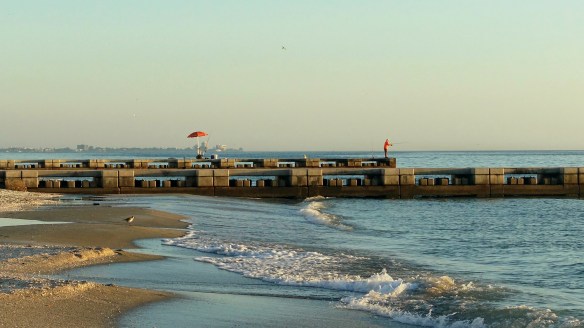
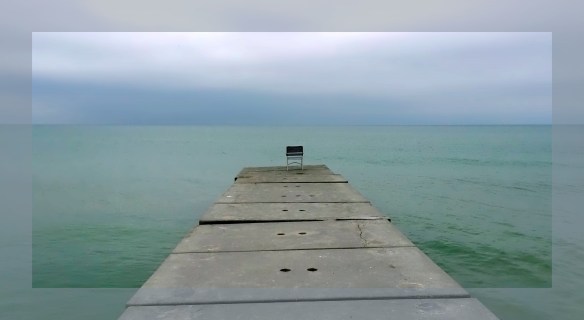
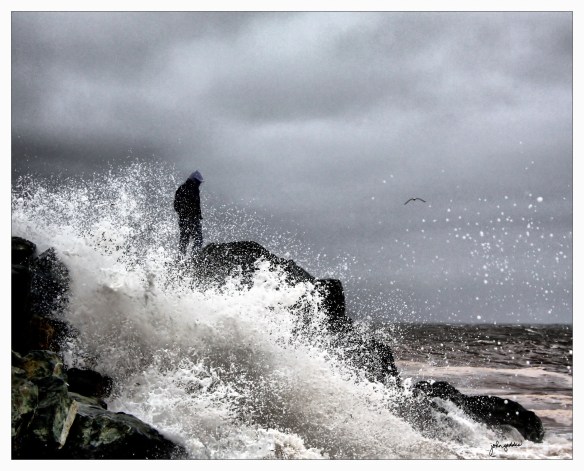
A Facebook friend recently posted a visually striking black and white photo of a man on a pier and it reminded me just how drawn I am to photographing docks and piers and breakwaters.   I think it is the idea that the dock leads somewhere and the somewhere is often an expansive body of water.  The boats at the docks are transport for  adventure into the ocean or lake. There is something solitary about many of these images at the same time. Perhaps we are dwarfed by Nature.

It spurred me to look through my photo library for pictures of docks and piers that I have taken in many parts of the world.  I have so many that I have to divide this into three parts.  I hope you enjoy this maritime travelogue.


Photo 2012-05-15 7 56 51 PM

Fishing Boat in the harbour at Tofino, British Columbia

Photo 2012-07-26 4 33 00 PM

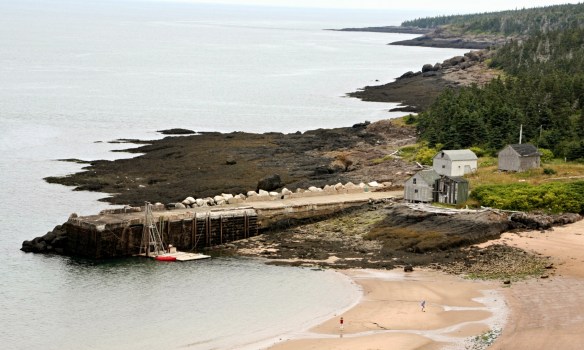
The pier near Sandy Cove, Nova Scotia

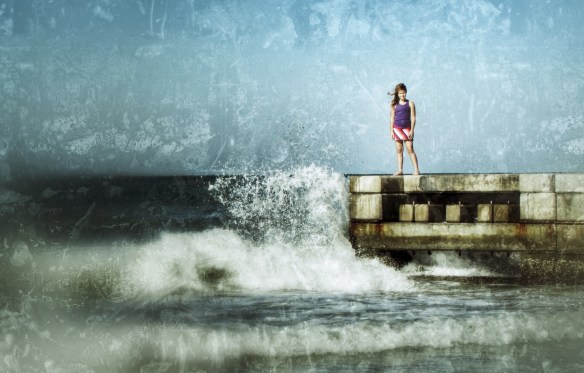
splash 2jf_filtered

On a pier in Cape Breton, Nova Scotia.

Swim

A sort-of pier in Cinque Terra, Italy.   You would not want to get caught up in the waves near the rocks.

IMG_5373

Dhows in Stone Town, Zanzibar


lake victoria dock2_filtered 36x20

A dock I have visited many times in Mbita, Kenya – Lake Victoria

IMG_5058

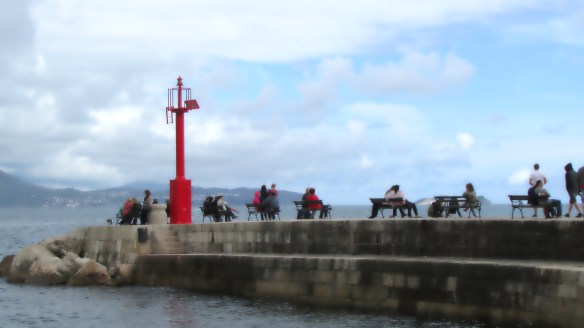
Dubrovnik, Croatia

SF dock

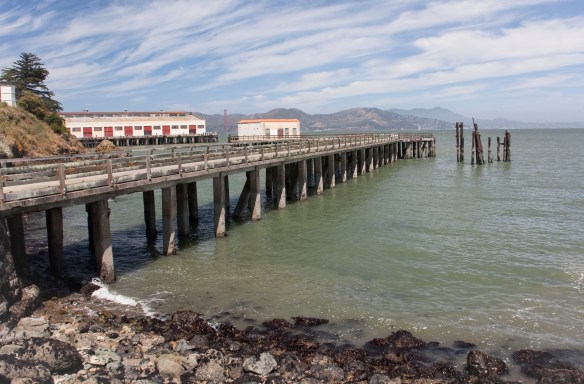
San Francisco Bay, California.  Golden Gate Bridge way in the background

DSC03256


DSC03226

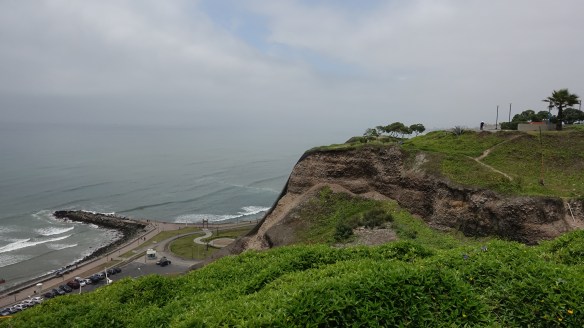
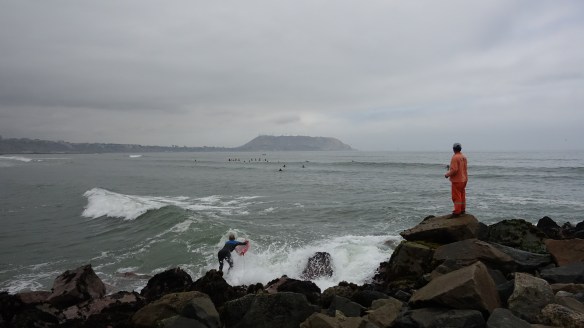
On the pier/breakwater in the photo above – Lima, Peru.  It was amazing how this very natural Pacific Ocean site was in a city of 8.5 million people.

lopud dinner

A memorable fish dinner on a dock on the island of Lopud, Croatia                                           with friends Sue and Jim.

CanAssist tries to do no harm.

Primum non nocere – first of all, do no harm”  was a dictum that I learned in medical school and always tried to apply in day to day practice.  I remind myself of this principle, as well, in my role as a trustee of  the CanAssist African Relief Trust, an African charity that has consumed much of my energy over the last few years.

There are two schools of thought about providing development aid to some struggling parts of the world.

unknownPeter Singer puts forth the argument that we are morally obliged to help. If we see someone straining to survive and helping them would be of little significant consequence to our own well-being then we must.  Most of us would not hesitate to wade into a shallow pool to save a drowning child, even if it meant getting our new leather shoes wet and dirty.  Taken more broadly, giving up the cost of a night out at the movies to help vulnerable children in Africa follows the same moral responsibility.  A life saved is a life saved, whether in a Canadian water park or a Ugandan village.

Other writers wonder whether some forms of developmental aid are doing more harm than good.  A recent  documentary, Poverty Inc, refers specifically to the tons of rice that poured into Haiti after their disaster in 2010. This aid was certainly helpful for crisis relief but it continued to flow into Haiti after the crisis was over.  Free rice, bought from suppliers in the US and subsidized by the US government to provide “aid”, caused the farmers in Haiti who previously sold rice locally to go bankrupt.  Who would pay for rice at the market when you can get it for free?  This ongoing supply undermined the local economy and increased dependency while American suppliers were being paid.  There is a difference between humanitarian aid and ongoing developmental funding.

This debate challenges me to think about what we do through the CanAssist African Relief Trust.  How can we satisfy our moral obligation to help struggling communities but not create or foster dependency?  Like the primum non nocere dictum, it is partly what we don’t do that is important.
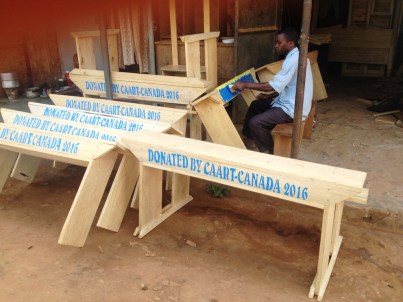
1-2First of all, CanAssist does not send goods; we send money.  We don’t flood the East African market with materials purchased in Canada and shipped overseas at great cost.

CanAssist does not deal with large multi-layered governmental departments but directly with individual schools, support groups and clinics. We don’t go to a community to promote our own agenda or ways of doing things.  We let the community, school, health facility come to us with their ideas of what sustainable infrastructure we can fund that will improve their well-being.

We don’t send unskilled volunteers to Africa in a “voluntourism”  holiday to build a school or do  other work that can be done more effectively by Africans. Our supporters don’t rob jobs from local carpenters and masons who need that work to pay for their family’s schooling or health needs. Instead, our funding stimulates the local economy, albeit in a small way.
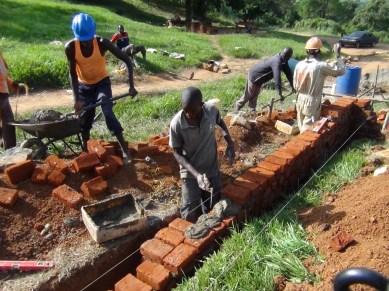
dsc05459We don’t provide money for programming, staffing or other individual support. Once a donor starts paying for school fees for a young child, for example,  the student  becomes dependent on the benefactor’s help to finish secondary school, and beyond.  It becomes difficult to stop this individual aid.  And only one person benefits from this well-meaning generosity.  CanAssist provides communities with funding for sanitation or clean water, or for classrooms and furnishings at rural schools.  The materials are purchased locally and construction done by employing local workers, both men and women.  If parents are healthy, better educated and have work available, they can earn the money to look after their children.  CanAssist project funding, therefore,  provides two benefits – temporary employment for local people and infrastructure improvement to the community, benefitting many rather than just one or two.

CanAssist’s administrative expenses in Canada are about 5% of our budget. For some other development programmes, a large proportion of the claimed development funding stays in Canada, paying for salaries, airfares, office space, fax machines, hotels and computers. CanAssist does have obligatory administrative expenses like bank fees, Internet  access, postage and liability insurance and some unavoidable professional fees we can not get pro bono. All other goods and services are purchased in Africa.  We pay no Canadian salaries.   We provide casual employment to some Africans to help implement our projects but this, too, provides initiative to them to work to earn their money. It is not a handout.

We don’t fund  one group indefinitely.  CanAssist attempts to give a school or community a kick-start to help their development but ultimately they must figure out how to manage their own operational and infrastructure needs.  The goal is self-sufficiency and this would not be attainable if the group could rely on CanAssist support indefinitely.

For these reasons, I am convinced that that CanAssist can continue to provide help without harm African communities.  We are grateful to our many generous donors who participate confidently in this mission with us – knowing that they can help without fostering dependency.
img_9486

TIFF Day 4 – An elephant in the room

There are over 400 movies at TIFF, including documentaries and short films.  My penchant for things African led me to see The Ivory Game, a recently-completed Netflix-produced film about the rapid decimation of the African elephant population  that, sadly, is threatening extinction of this largest of land animals.   The figures are startling.   The number of elephants in East Africa declined by 30%  or about 150,000 elephants, from 2007 to 2014 and continues at a rate of about 8% per year.  Part of this stems from human-wildlife conflict as human development  encroaches on previously protected areas. Elephants know no boundaries and may destroy gardens and local agriculture so people living in villages near these animals turn to killing the animals to protect their crops.

But the bigger problem is poaching of the animals for their tusks.  It seems that the main trade in elephant tusks is through China where ivory trinkets or carvings are seen as valued pieces of art.  And poachers, gang leaders and corrupt officials can make a lot of money selling illegal ivory.  They are even banking on the approaching extinction of the elephant, a boon to their profit as ivory becomes increasingly scarce.

img_0250

In addition to educating about this crisis, the film turns into a real-life spy thriller as it follows undercover agents as they try to gather information to help capture and convict the poachers, including one of the  kingpins aptly nicknamed Shetani – “the devil”.

It appears that the only way for elephants to survive is for governments around the world to make sale of ivory totally illegal.  Until that happens the poaching will continue and the number of African elephants living in the wild become dangerously threatened.
You can read more about this at  www.theivorygame.com and the Great Elephant Census.

I give this documentary 4 stars of 5.  It was the only movie that I saw this year at TIFF that actually moved me to tears.  It will be on Netflix later this season.

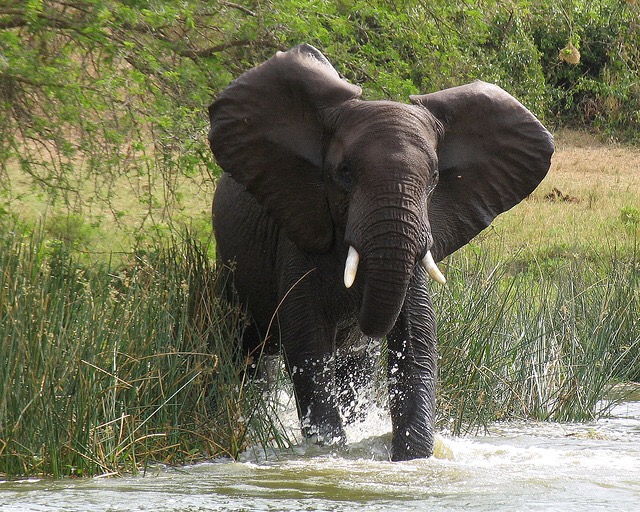
I have peppered this page with a few of photos of elephants that I have been fortunate to see over the years in East Africa.  How many of these magnificent animals have survived the poacher, I wonder?

I took the above photo on my way to the airstrip in the Maasai Mara.  I was worried that having to stop as this herd of elephants meandered across the road would make me miss my plane back to Nairobi.  But even the small local airlines are on “Africa time” and the plane was an hour off schedule. Meanwhile I got to sit in a jeep and watch this extended elephant family enjoying their day.

And when I got to the air strip, the small plane was oversold by one – so I got to sit in the cockpit with the pilot.  A commanding view of the Maasai Mara and this memorable sight of another large herd of elephants crossing the Savannah.

aerial-elephants