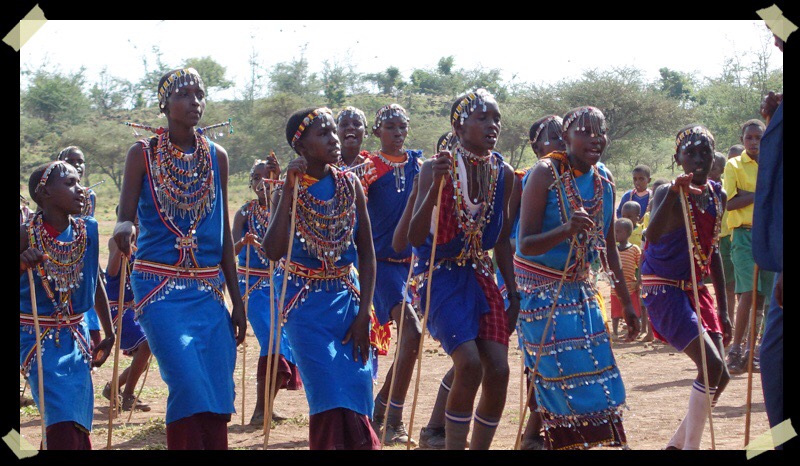
Safari 2016    Part 8. Ramula district.

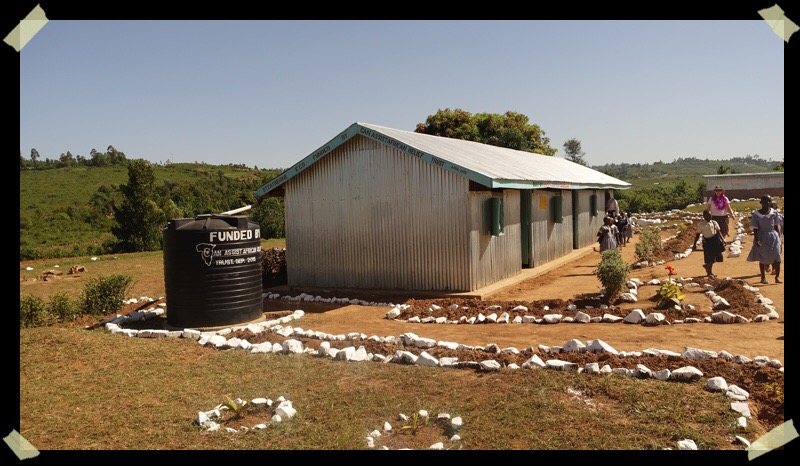
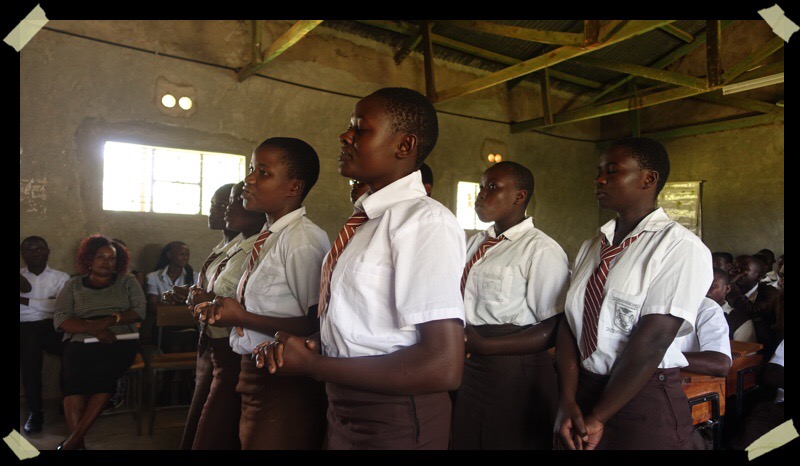
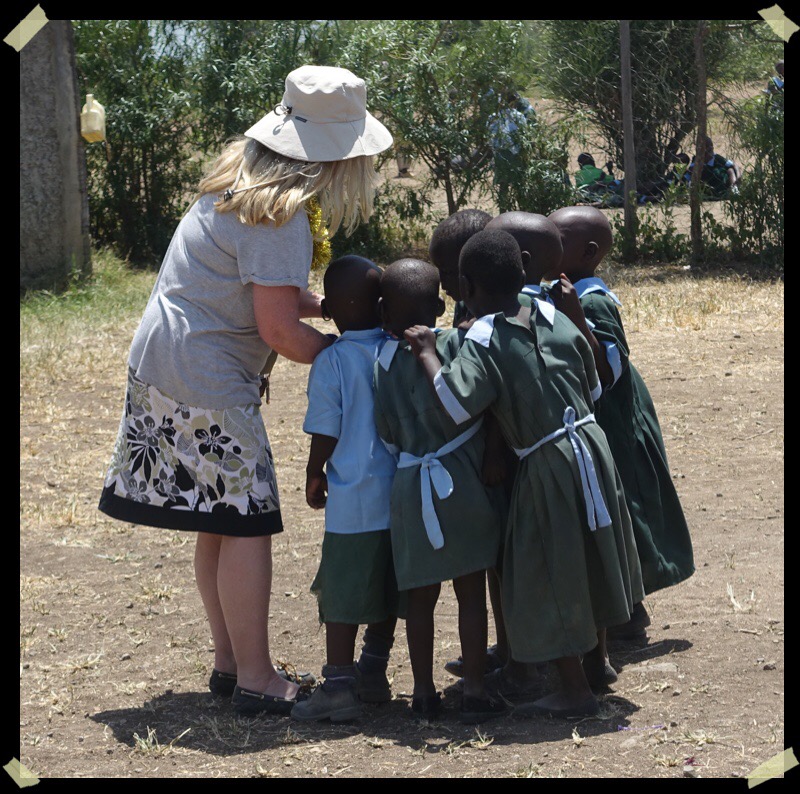
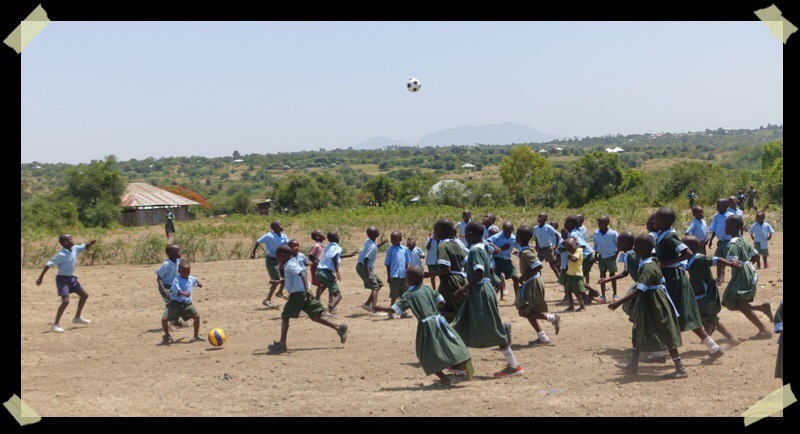
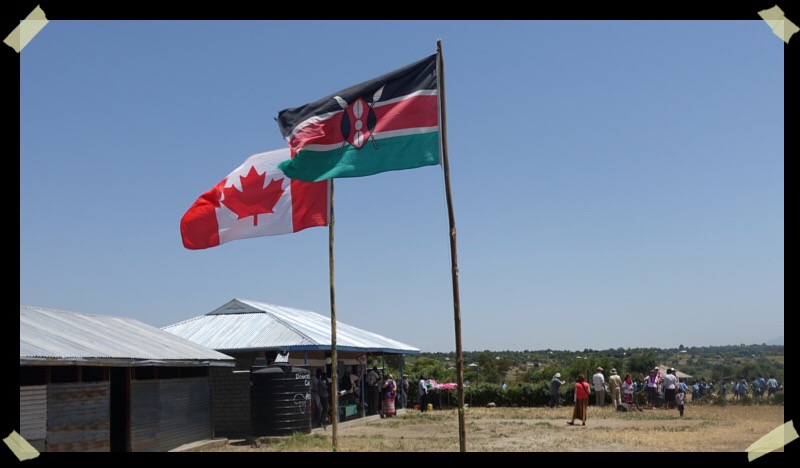
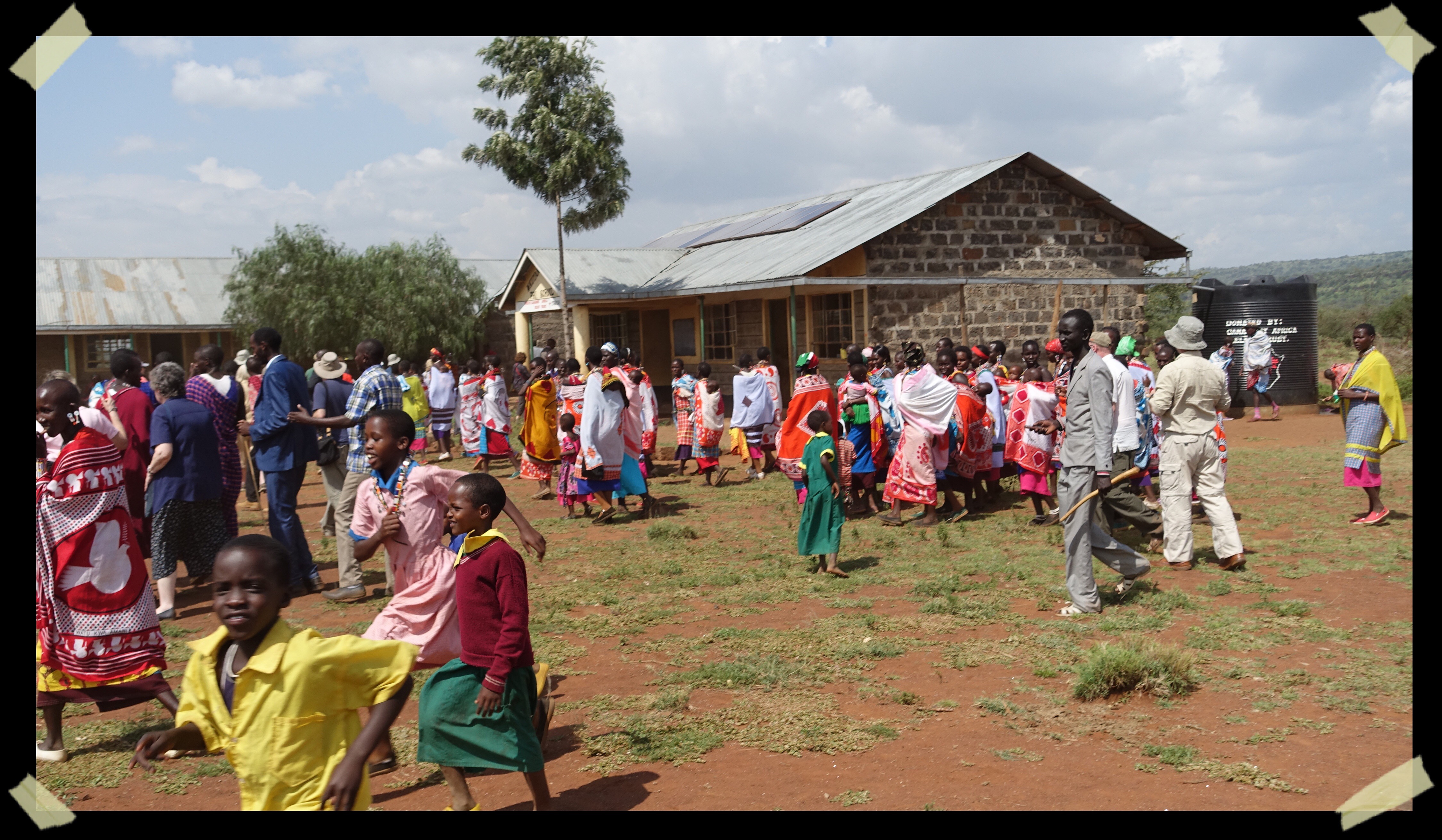
Near the town of Ramula in Siaya District of Kenya, CanAssist has been working to provide infrastructure improvements to two schools – St. Catherine Early Childhood Development Centre (150 students) and the Ramula Secondary School ( 100 students). We received rousing welcomes at both schools. Last year at this time the St Catherine School yard was an empty field. It has been amazing to see the growth.  For Ramula Secondary, we provided much needed water tanks that have been very much appreciated. 

St Catherine School is a 30 minute hike into the valley.


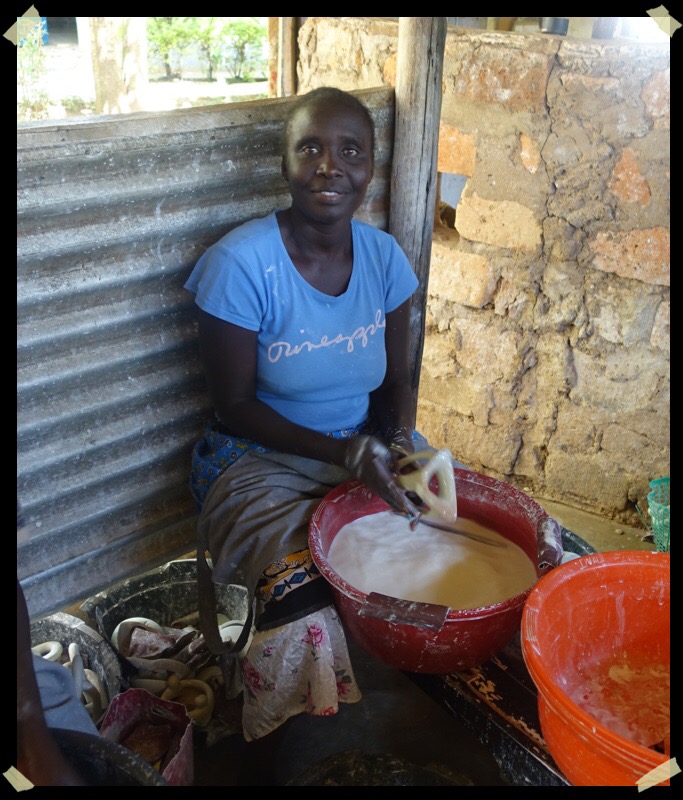
This is the “kitchen” at Ramula Secondary School where lunch is prepared for 100 students. CanAssist plans to soon upgrade this kitchen.


Safari 2016  Part 7. Kamin Oningo beach community – learning about fuel-saving cooking

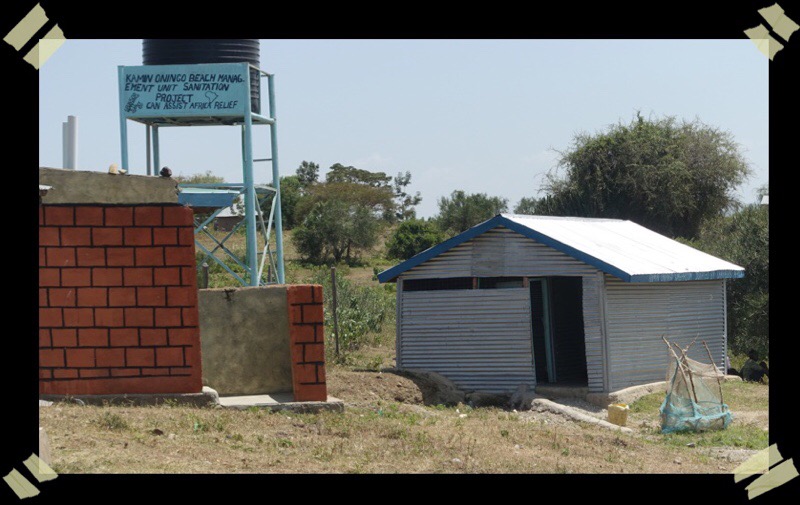
CanAssist has helped this fishing beach community to improve their sanitation with construction of latrines, a bathing building and hand washing station.  In conjunction with our visit to this village, Gabriella Zamojski has arranged to distribute some solar cookers and fuel saving stoves to some of the community who turned out in droves to see how these works and get a delicious, nutritious meal totally prepared using solar heat. 


Food was prepared in the morning, set out in the solar cookers amd by 1 full meals were ready to be eaten.


In addition to the solar cooking units for the community, Gabrella also facilitated the purchase of a fuel- efficient wood burning “rocket” stove for the S.P. Geddes school though CanAssist. The school reports that food cooks more quickly and with about 10% of the fuel compared to the open fire they were using before.

 Safari 2016 in Photos. Part 6. The Stewart Geddes School

I have been excited to introduce my family to the S.P. Geddes School in Osiri Villlage, Kenya and have them meet little S.P. who was named after my late father who generously supported the school through CanAssist as it was beginning. I also was delighted to introduce the school to Dad’s great granddaughter, Maddy. Here are some photos of the visit.

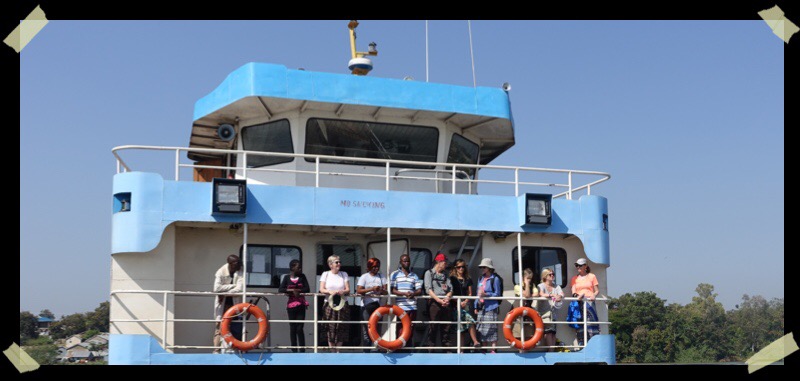
On the ferry from Mbita to Lwanda Kotieno


A musical greeting as we arrive at the S.P. Geddes school


i know Dad would be delighted that my brother Bob, his wife Lynne, his granddaughter Jenn and great granddaugher , Maddy were all able to join me in a visit to the school that bears his name.


Maddy and little. S.P. enjoying lunch ag the school. Asante Hugh Langley for the photo.

Safari 2016 in Photos. Part 5. Kisii Stone

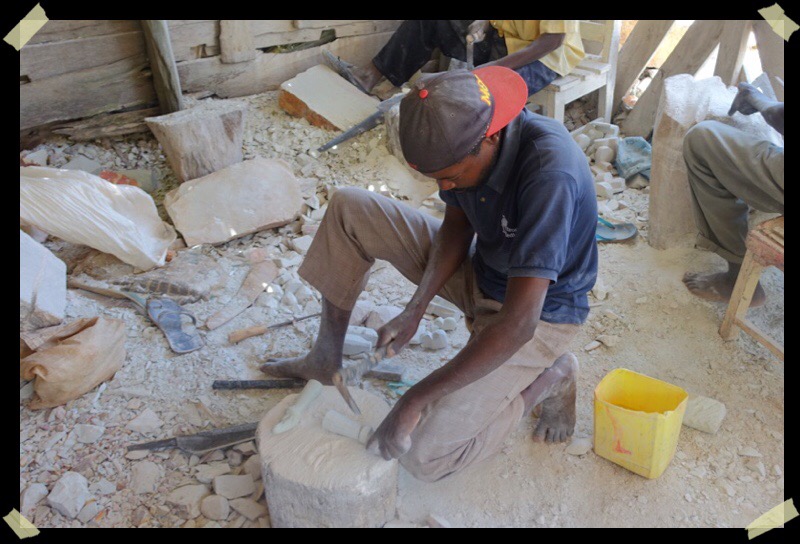
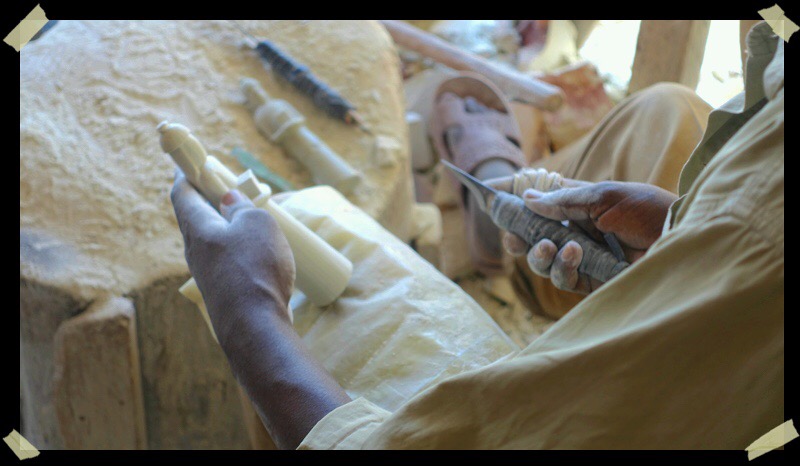
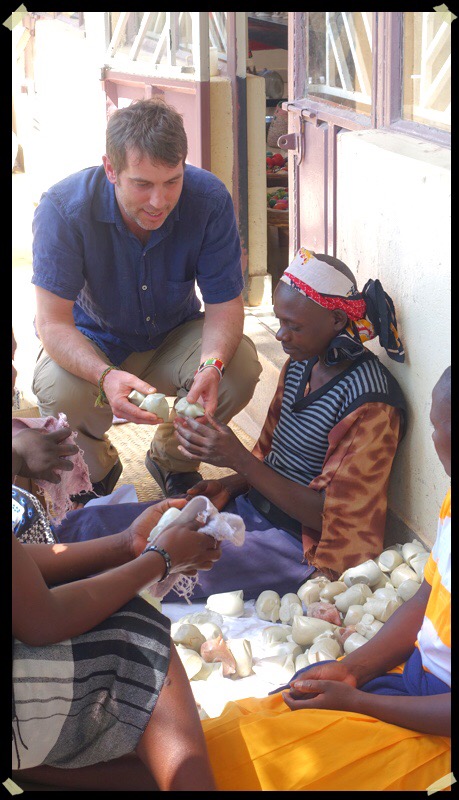
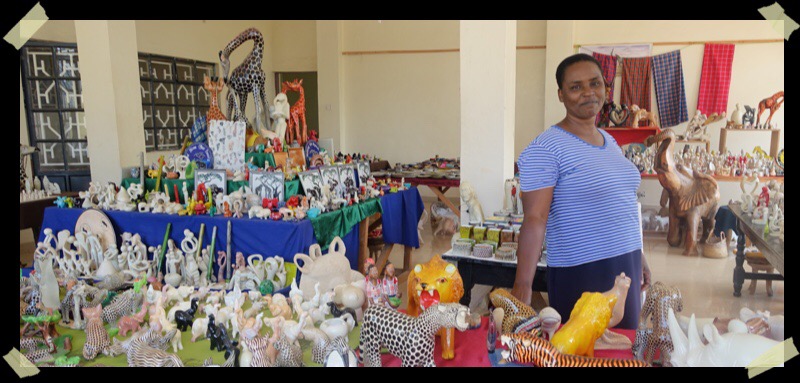
Anyone who has frequented the 10,000 villages stores is familiar with the wonderful soapstone carvings that come from Kisii Kenya, known as Kisii Stone.  We visited where these are made, saw the artisans who make all this stone and send it internationally and got a chance to purchase some for ourselves.  The  quarry has a unique stone that is now known all over the world. 


Safari 2016 in Photos –  4 Kericho Tea

The town of Kericho in the highlands of Kenya is famous for tea with tea plantations stretching in emerald green fields for as far as the eye can see.  We had a tour of the Kabiangs Tea Factory to follow production from the field to the finished product.  The tea is picked by hand and  air dried by fans for 16 hours. It is chopped finely through three phases. This causes some release of heat and the warmth (39 deg C) and more air caused a fermentation to take place over the next 90 minutes. The brown product is then heat dried again through three cycles and finally sifted to different sizes to remove fiber and provide three different products of different sizes.  It is tested for taste quality, bagged into large sacs and transported to Mombasa for sale on the international tea market.  4.5 Kilos of leaves make 1 kilo of tea. 


Fields of tea being hand picked


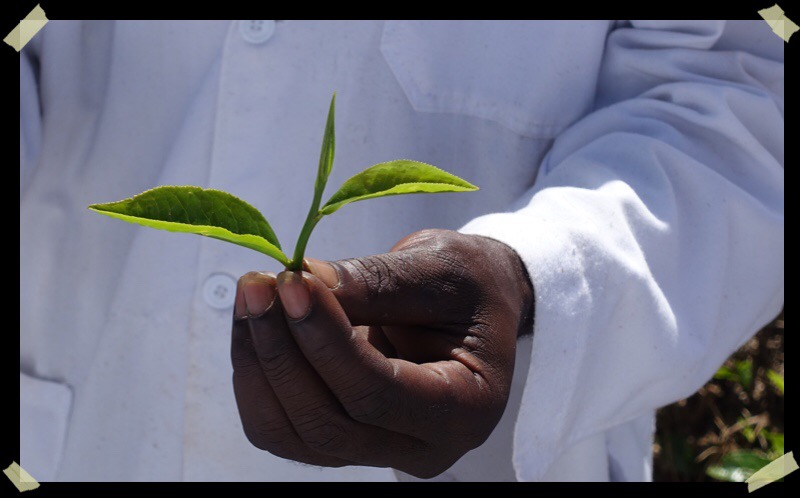
The bud and first two leaves are best for quality tea

After being finely chopped the tea becomes warm and naturally ferments.

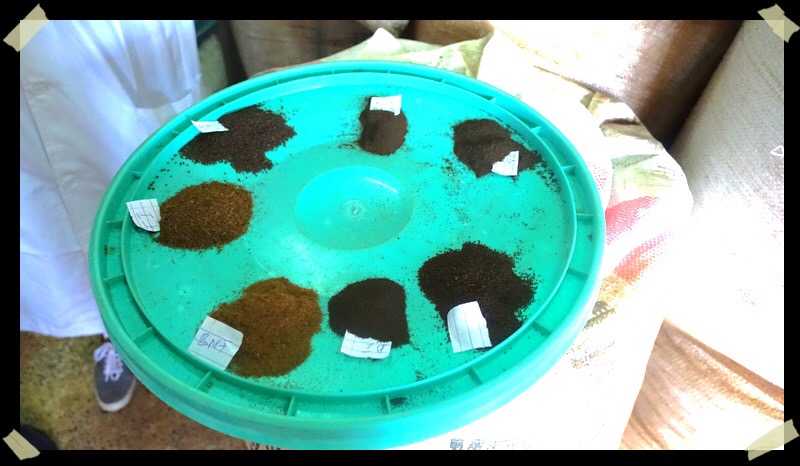
Different grades of tea according to the final size.

Along the road near Kericho

Safari 2016 in photos.  Part 2 Ngong Hills

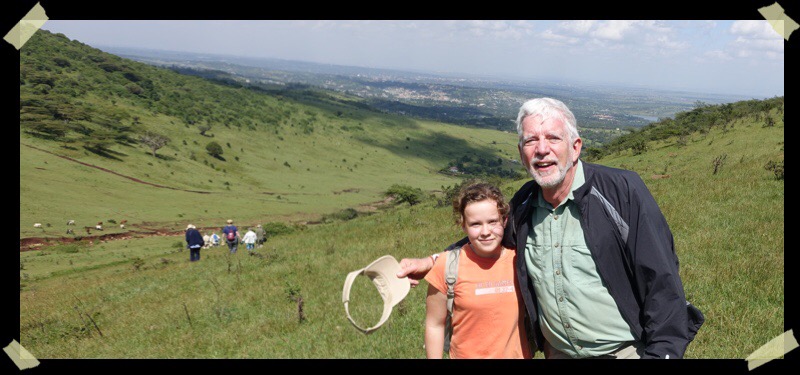
On our second day , some of the group went to a giraffe park and the Karen Blitzen museum while others went explored The Ngong Hills, including w Women’s Empowerment Centre CanAssist is constructing in association with Nancy Stevens, a hike along the ridge overlooking the Rift Valley and a visit to our longstanding friends, the extended Moiko family.

These women will benefit from the CanAssist/Kenya Help building that will house vocational training programmes to help them become more self sufficient.


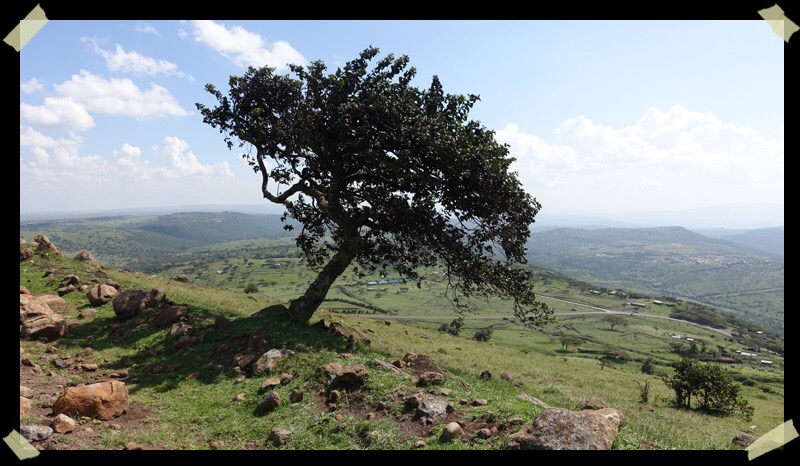
No visit is complete without a trip to Baridi Corner and this tree in particular. One of my favourite places in the world.


Young people are similar all over the world. a Moiko boy selfie on our hike down the hill.


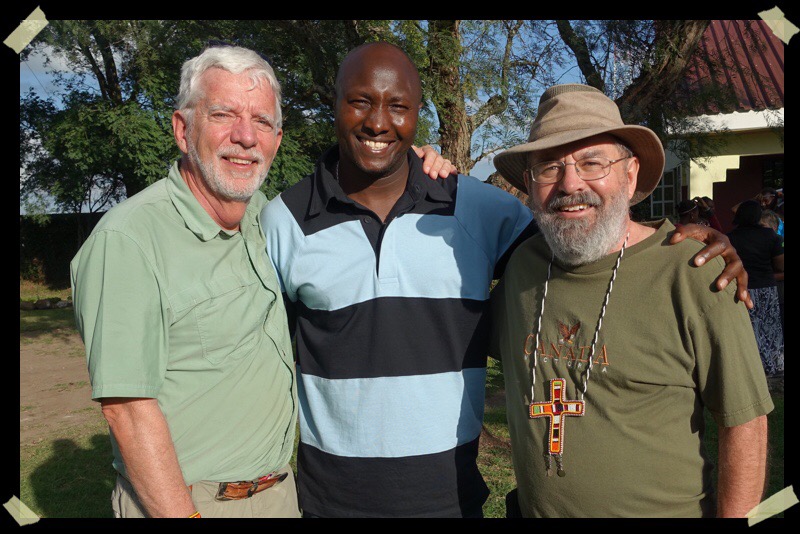
Happy to introduce my friends and family, including my brother, Bob, to the Moiko family and vice versa.


2016 East Africa Safari in photos.  Part 1. Nkuyan School.

I am presently on Safari in East Africa with a group of Canadian supporters of the CanAssist African Relief Trust. During our 18 days in Kenya and Uganda we will visit many communities and schools that have benefited from the funding of infrastructure projects through CanAssist and review plans for some that are upcoming in the next year.

One of our group, Nancy Grew, is also blogging as we go along.  If you would like to follow is as we travel her blogspot blog is at Grew’s News 3. You can access it here.

I will post some photos with brief captions as we move along. Karibuni.
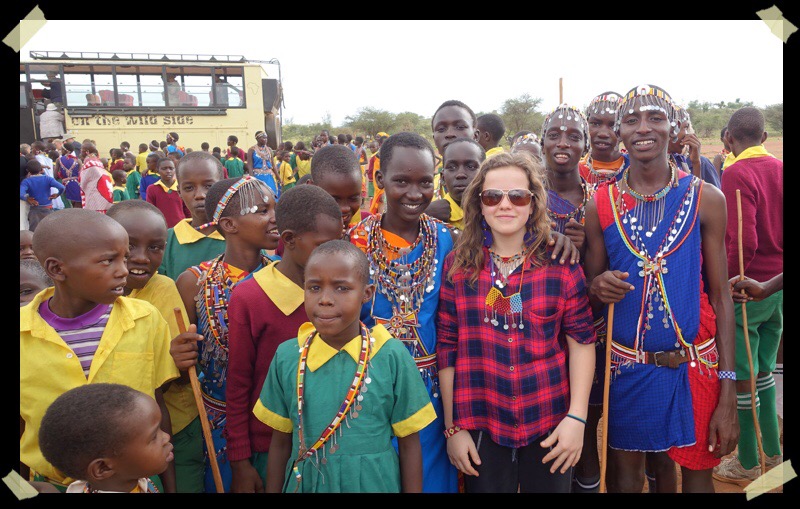
Our first day out was a long one to the very rural Adam Nkuyan School.  This was one of our first CanAssist projects and the existence of the school where there was barren land before has bought life to the community and is providing a chance for education for the students who live there.  Next year they will graduate their first class 8 students.  A real achievement.


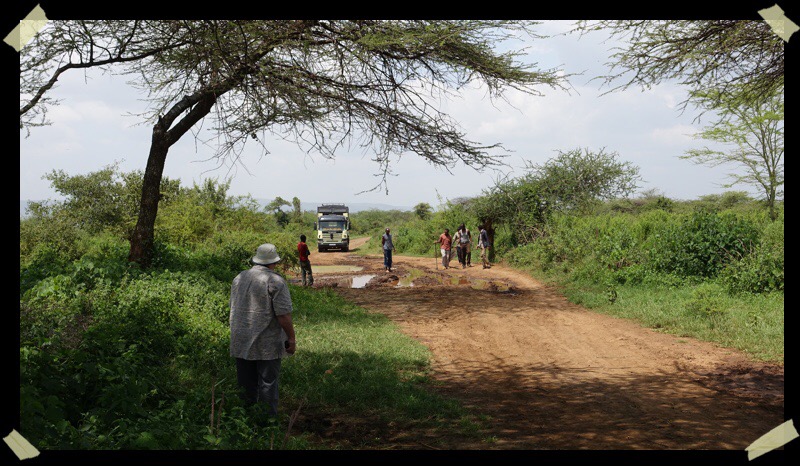
The long bumpy trip to Nkuyan School was made that much longer by a blowout!


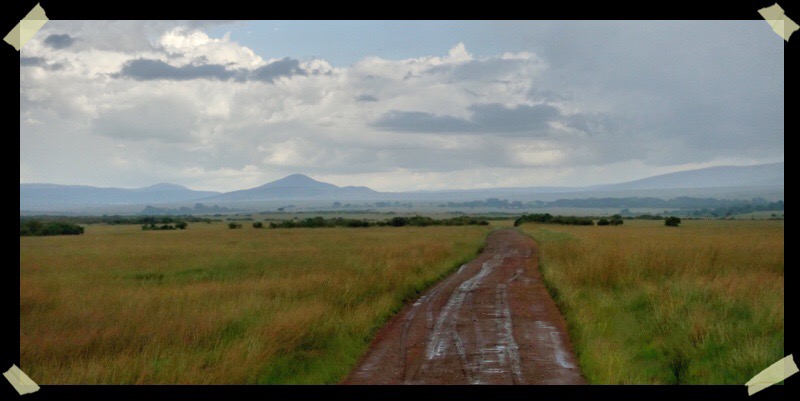
Recent rains made some of the roads a challenge for the truck.


We receved the usual hospital welcome from the Nkuyan community.


My granddaughter, Maddy, was popular with the Maasai boys!

Puzzled

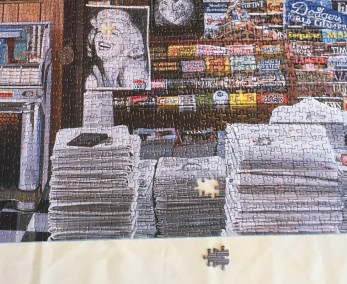
On a dreary, wet day, early in January, I opened a 1000-piece jigsaw puzzle, thinking that I would tackle it over the next several days. I was soon hooked on the challenge, settling on the common strategy of finding all the straight-edged bPuzzle 2.jpgorder pieces then filling in the centre. After the border was complete, the next step was to find recognizable pattern snippets that would go together to make part of the image. Occasionally, needing some help,  I would refer to the puzzle box to
get a clue.  Eventually I was down to the last hundred and fifty pieces and they all looked pretty much the same. Colour patterns now were very similar, so I had to switch tactics and rely on shapes and sizes to make them fit.  Most of the picture was visible but the last bit was much slower and, in the end, didn’t add that much more to the overall image. After about 15 scattered hours, over two days, I had the puzzle done.

There was one piece missing and  two of the other pieces fit together themselves but refused to squish into the space where they looked like they belonged.  Marilyn Monroe’s visage was missing her forehead. I crawled around on the floor under the table but the piece was not to be found.  I never did find it but in the end it really didn’t matter to me.  After a day of congratulating myself when I looked at the completed work, I tore it apart andIMG_3618 (1).jpg it went back into the box.
I had thought that I would put on some music while doing the puzzle but I did not. The only noise for those 15 hours, apart from my muttering to myself, was the tick tock of the 125-year-old clock that has been in our family since the late 1800’s.  Sometimes the rhythm reminded me of a tune that I would hum to myself. I was always surprised, when the clock struck the hour, that the time had gone by so quickly. One night I spend from 6pm until 1am non-stop working on the puzzle in silence. Those who know me will wonder at the silence part.

When it was all done, I reflected how this venture was like life itself.

The puzzle started as a lot of seemingly unrelated little parts but it gradually took shape into something that was recognizable and had a pattern that made sense.  The process had challenges and sometimes it seemed like it would not work out but eventually, if I persisted and stayed the course, I was able to find a piece that fit.  Finding one piece might lead to a cascade of success which soon returned to the usual plodding on another section of the puzzle.  In the end, there was a clear picture even though a couple of pieces would not fit in and one was missing. Overall it made sense even without those three missing units. After all, I had found links to 997 of the 1000 pieces, not a bad record.   Then, after I had a chance to rest and appreciate the picture for a short time, the whole thing was reduced to how it had started and went into a box.
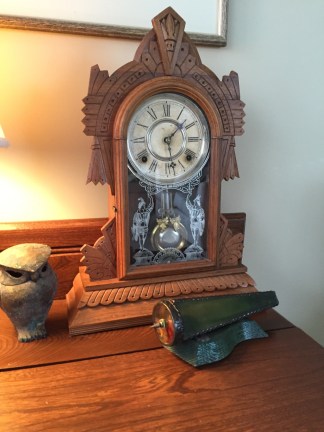
IMG_3633.jpgLike life, the end point was not the goal. It was the process that was important.  The ticking of the antique clock made me conscious of the passing of time as I tried to make sense of the numerous pieces. Because it was a family heirloom, I also think that, in the silence, it also was a connection with those who had gone before me and who had also contributed to my own life picture. When I was finished the puzzle, I looked at what I had accomplished and was quite satisfied with the effort but also content to have it fragment back into 1000 – or as I had discovered, 999 – unrecognizable pieces.

We are all given a different life picture to work on. We may reach places where we are stalled or have to put one area of our puzzle aside for a while until we find pieces that help it make sense somewhere else. Progress comes in bursts and the closer we get to the end, the slower the process becomes and each piece added may have less impact on the whole image we are creating – more like finishing touches. We acknowledge the effort that it took and hope that it makes some sense even if every piece does not fit. And then we must  be prepared to let it go. It is the process that provides the satisfaction, not the final picture that can, and will,  be quickly reduced back to unrecognizable fragments.

A variant of ashes to ashes?
Jigsaw header

Cholera, then and now.

Video

Kingston Ontario’s history includes a cholera epidemic that, between 1932 and 1934, killed ten percent of the city’s population. Skeleton Park LogoKingston residents are all familiar with the downtown McBurney Park ( known locally as Skeleton Park}, now home to an annual summer arts festival,  where many of the victims of this epidemic were buried 180 years ago.  Kingston’s popular home-town band, The Tragically Hip, even have a song that references the outbreak. The Hip Museum website has a great summary of the cholera epidemic that basically closed down all the stores in town with the exception of lumber outlets to make coffins.

img_8862Cholera was then, and remains now, a serious consequence of inadequate sanitation and clean water. It was not until John Snow traced an outbreak in London to a water pump on Broad Street that we understood that the disease was spread through water exposed to fecal contamination from other infected people.

In Canada today, 99 percent of the population has access to improved sanitation and clean water. Cholera is a disease of the past. But for communities in developing world countries, including those in East Africa, where, by comparison, only 60 percent of people have access to improved sanitation, it remains a serious threat.

Just last week I received an email from Dr. Karen Yeates, a Kingston nephrologist who is currently with her family in Tanzania. She writes:
“I just managed a cholera epidemic over Christmas at the little hospital I am doing some part time consulting at. I never thought I would see it in my lifetime as a physician…..its incredible that we have the ability to do everything we can in this world with technology and medicine but, the poor and disadvantaged in sub-Saharan Africa struggle with diseases of more than a century ago. We have had over 30 cases but no deaths thankfully. We traced it to lack of toilets and clean water in the three communities where it came from. They had stopped boiling water due to lack of ability to afford wood for their fires…its a choice of make food or boiling water but not enough wood for both. Inflation is high here right now due to the strong US dollar and everything has become more expensive for families here.
I was thinking about CAN-ASSIST and how many toilets you have built over the years….we can’t forget about these simple things…..:). 

Keep doing what you all do so well. “


The CanAssist African Relief Trust continues to work to improve water and sanitation for schools and communities in East Africa. This week we are starting a latrine project at a school on Ukerewe Island in Lake Victoria. In 2015 we installed clean water supply and toilets in ten different schools, clinics or lakeside villages.

There is little specific treatment for Cholera other than aggressive fluid and electrolyte replacement. Prevention through sanitation, protection of water supplies and hand-washing remains the key. This YouTube video is in Swahili and aimed at instructing African people about the importance of these prevention measures. It is simply presented and without knowing a word of the language it is easy to understand the message.