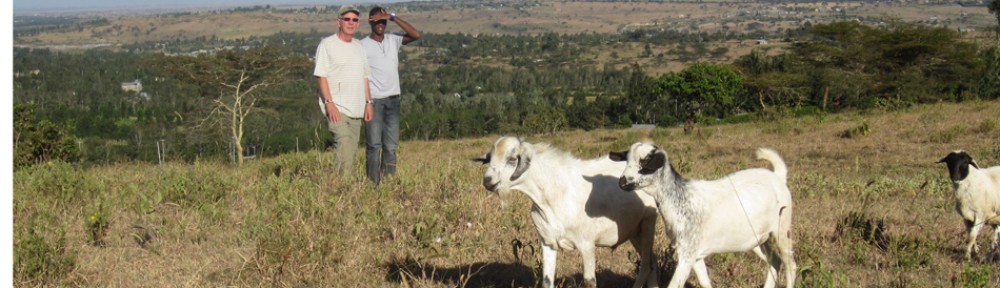
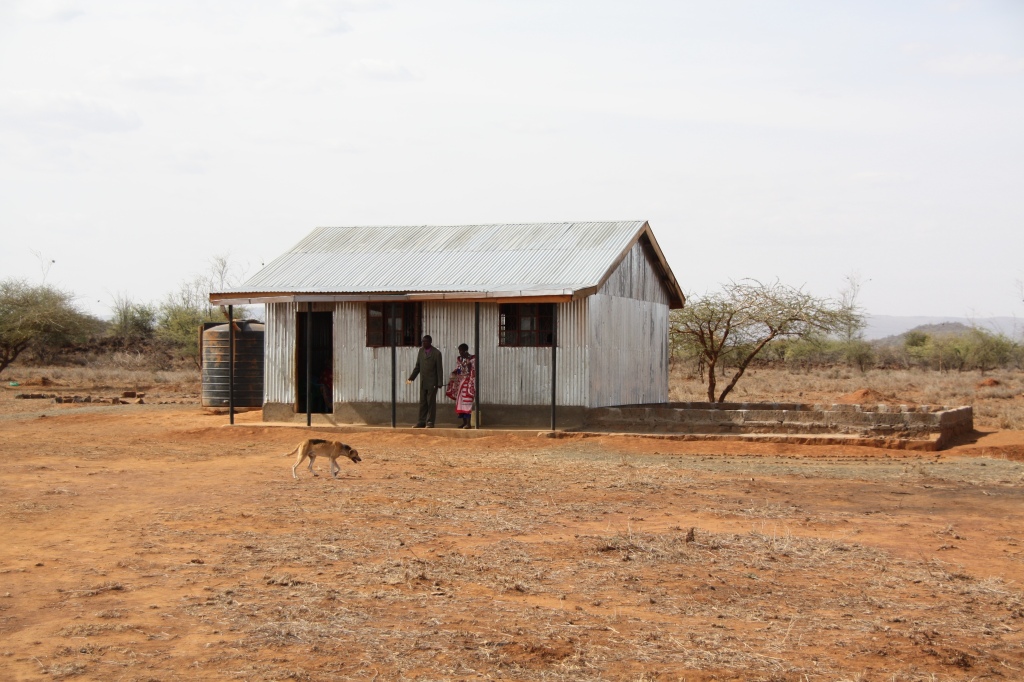
Driving to the Adam Nkuyan School deep in Maasai territory on the floor of the Rift Valley in Kenya has always been a bit of an adventure. Once, with a group of 20 CanAssist supporters in safari truck we ran out of gas, with no fuel available for miles. This time, my friend, Stephen drove me out to the school and once we got half an hour away from the main Magadi Road everything started to look the same. We took one (or maybe more) wrong turns and basically got lost in the middle of nowhere and with no phone service. We asked the few folks we saw for directions and eventually arrived at the school about 90 minutes late. On the bright side we did spot zebras and giraffes by the side of the “road”.
I had not been to the school for about 7 years and when I arrived I was very pleasantly surprised.
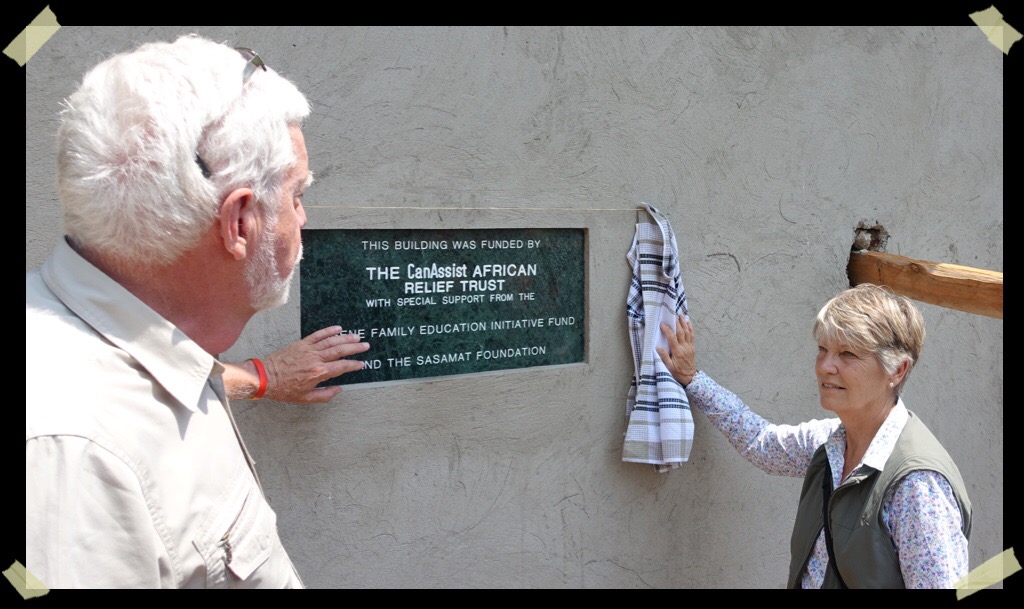
The Nkuyan School was CanAssist’s first project. We officially opened it in 2009. There might have been 30 students in the single tin classroom.
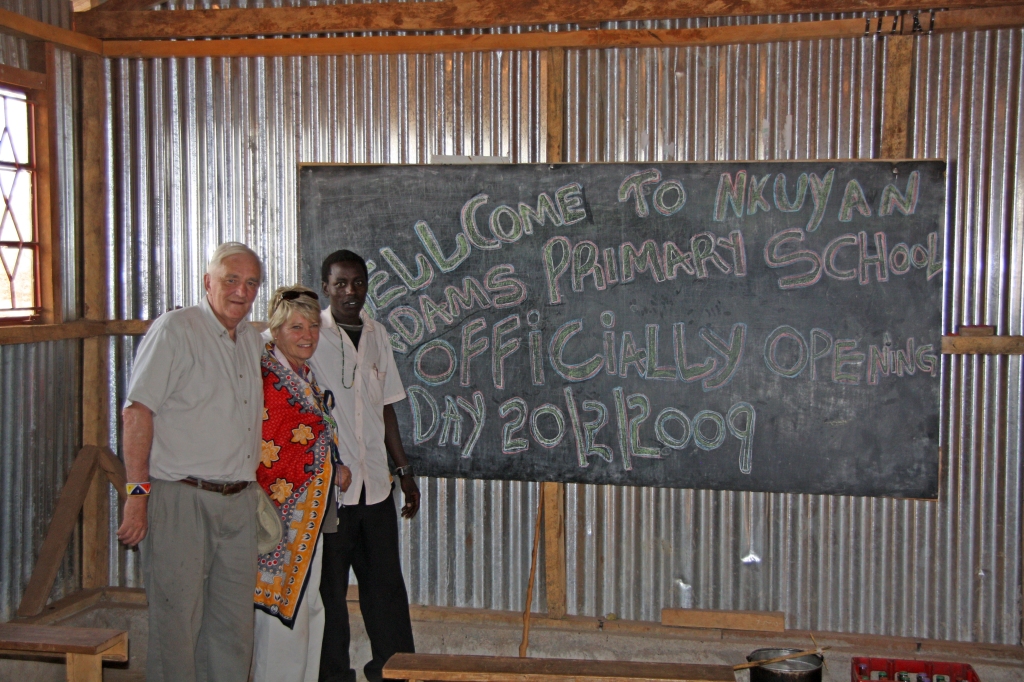
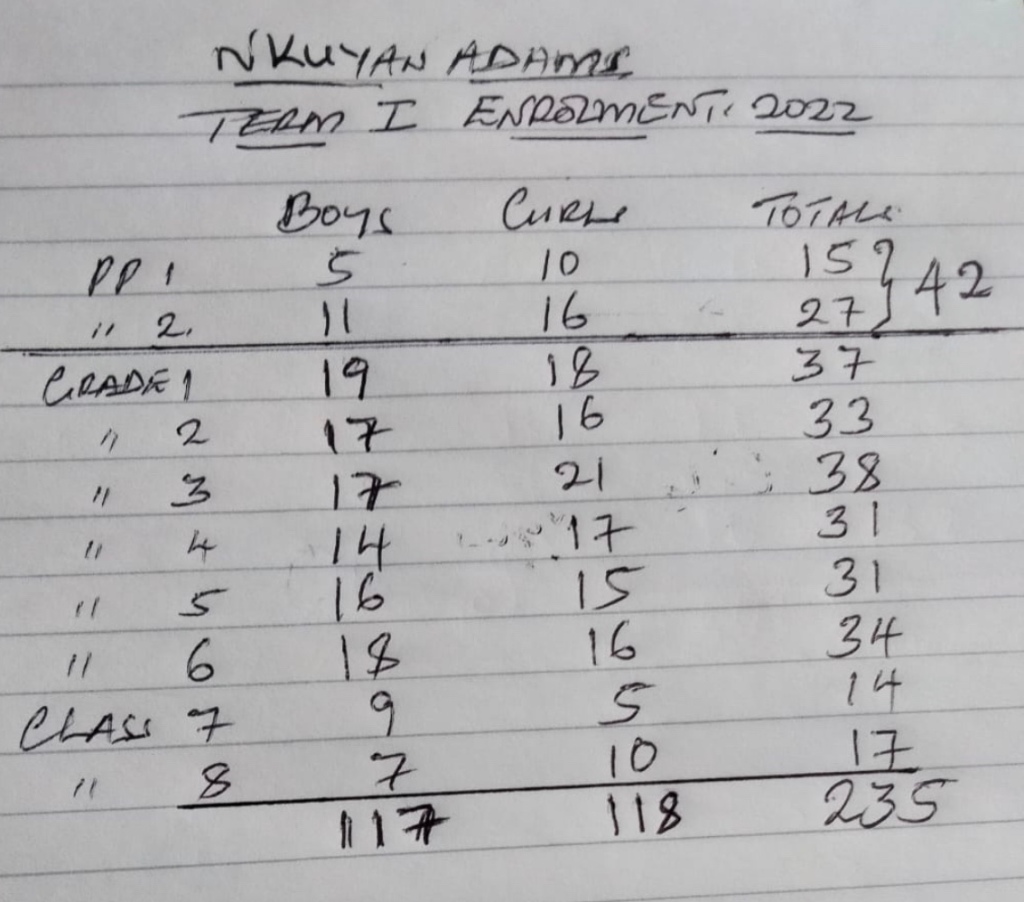
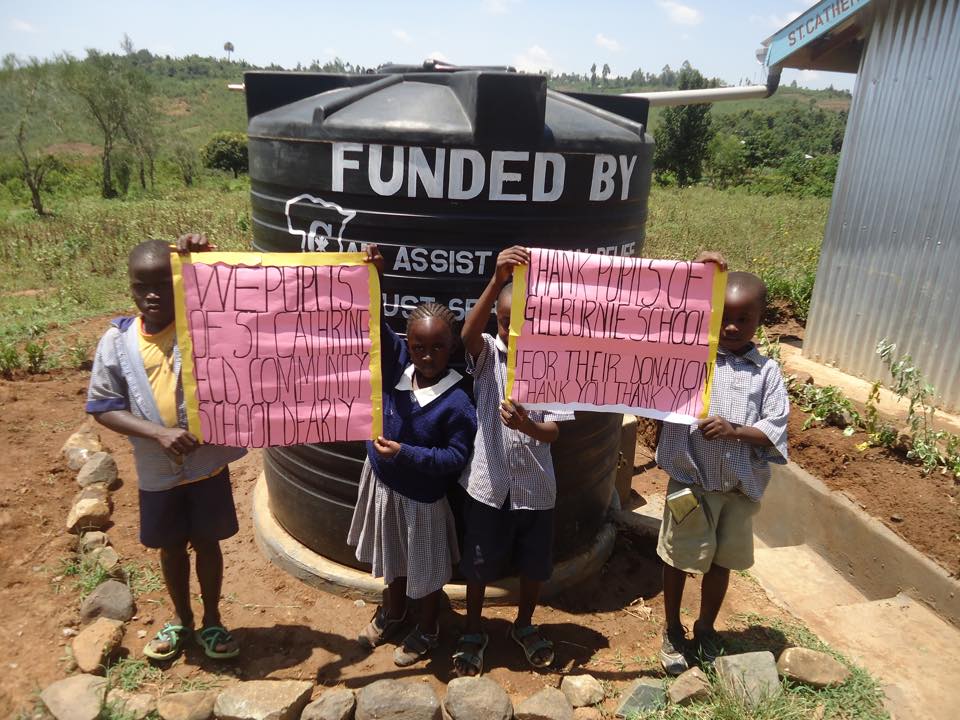
Gradually a couple of permanent classrooms were added as well as water tanks and latrines. Eventually the school became registered with the Government who ended up paying for 4 more classrooms. The school now has enrollment of 250 students and 11 teachers, four of them paid for by the government. There are another couple of tin structures for the very young kids and they have students from preschool age to class eight.
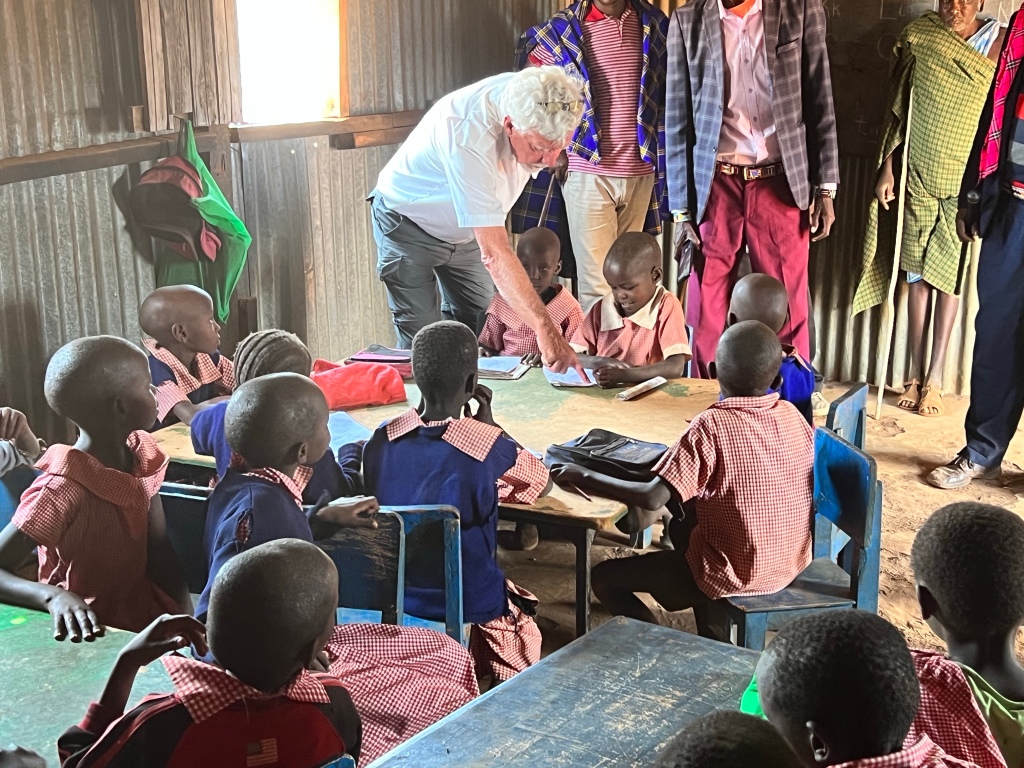
In the National exams last year for the Class 8 students they had the best marks of the 40 schools in their district. In addition, the enrollment at the school is equal numbers of boys and girls.
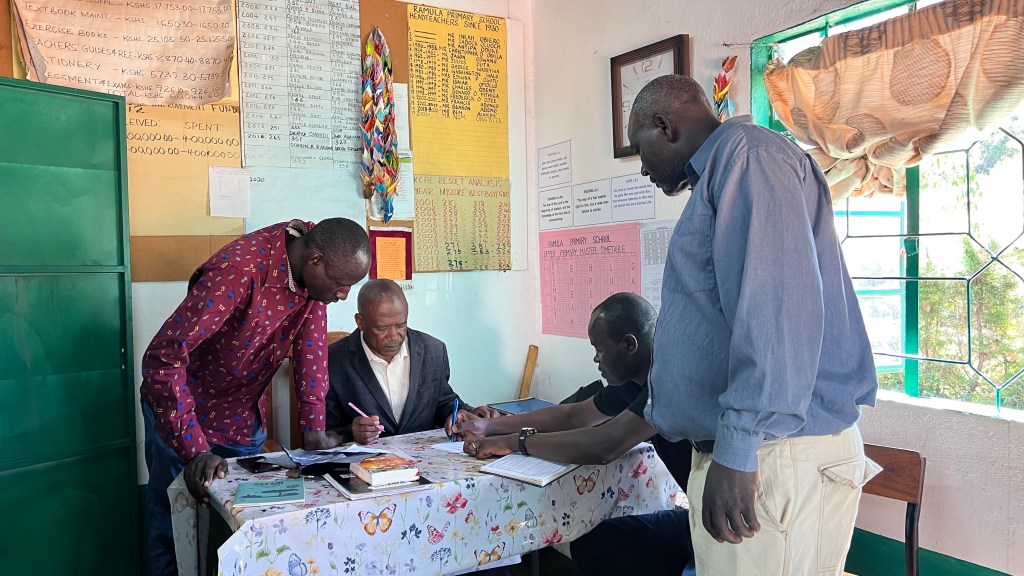
We were met by the Chairman of the School Board, the teachers led by the Deputy Head Teacher, a group of parents, including three that are on the parent’s committee. The whole community is involved and supportive and most grateful for this school in their very remote community. Without this school, children in this community might have to walk as far as 13 km to school each day which would mean many would go without their basic education.
The bottom line is that this school has grown incredibly, and has even received some government funding to help it grow. The community is taking care of the resources that have been given to them, is actively supporting the school and encouraging their children to acquire and education. The pupils are showing excellent academic performance. The help that CanAssist provided and continues to provide in partnership with two Kenyan NGO’s (MPIDO and MANDO) has kickstarted a school that is making a big difference for this remote Maasai community. This is the kind of success we dreamed about when we started the CanAssist African Relief Trust 15 years ago.
NOTE: This post has a video image. If you are reading the post on an email you must click on the title of the post to be taken to the WordPress site where the video can be streamed.



 Peter Singer puts forth the argument that we are morally obliged to help. If we see someone straining to survive and helping them would be of little significant consequence to our own well-being then we must. Most of us would not hesitate to wade into a shallow pool to save a drowning child, even if it meant getting our new leather shoes wet and dirty. Taken more broadly, giving up the cost of a night out at the movies to help vulnerable children in Africa follows the same moral responsibility. A life saved is a life saved, whether in a Canadian water park or a Ugandan village.
 First of all, CanAssist does not send goods; we send money. We don’t flood the East African market with materials purchased in Canada and shipped overseas at great cost.
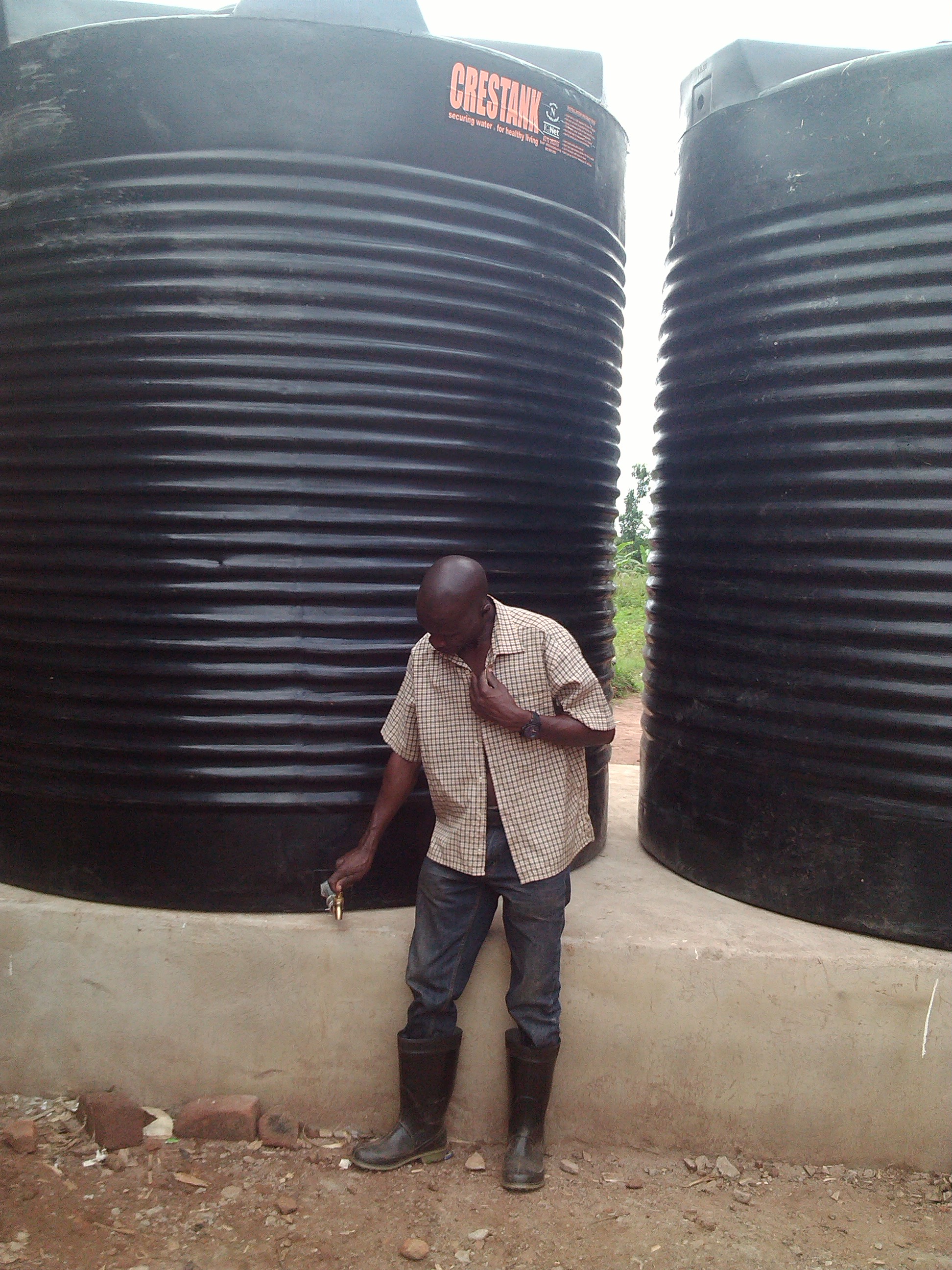
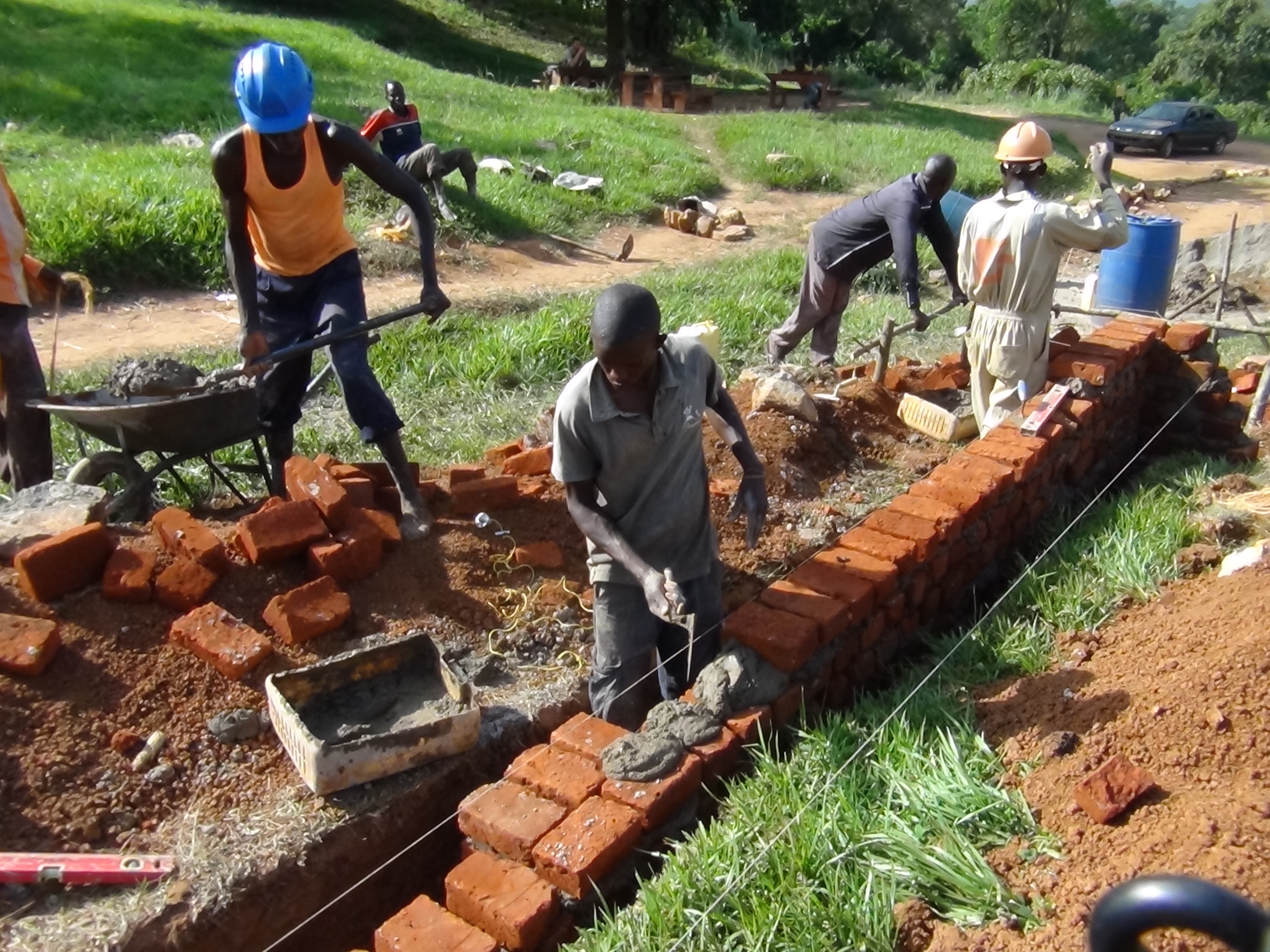 We don’t provide money for programming, staffing or other individual support. Once a donor starts paying for school fees for a young child, for example, the student becomes dependent on the benefactor’s help to finish secondary school, and beyond. It becomes difficult to stop this individual aid. And only one person benefits from this well-meaning generosity. CanAssist provides communities with funding for sanitation or clean water, or for classrooms and furnishings at rural schools. The materials are purchased locally and construction done by employing local workers, both men and women. If parents are healthy, better educated and have work available, they can earn the money to look after their children. CanAssist project funding, therefore, provides two benefits – temporary employment for local people and infrastructure improvement to the community, benefitting many rather than just one or two.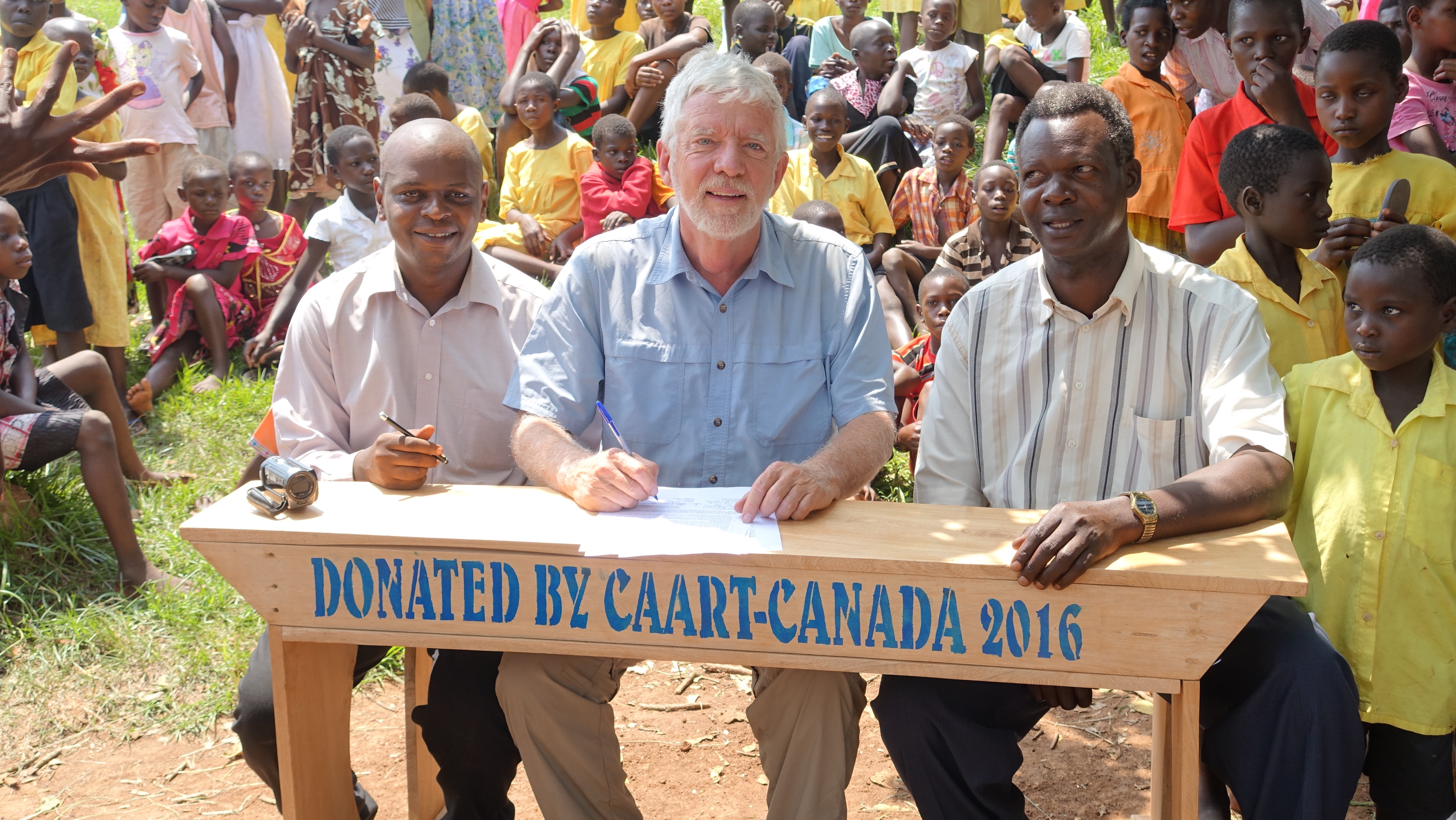












 johnageddes