November 30

At age 92, my Dad announced that he would like to go to Africa. He had never been there but he had developed a connection, in part, through the work that I do with the CanAssist African Relief Trust. Over the past few years he donated support to two small schools in Kenya and was honoured that one of the communities named their school after him – The S.P. Geddes Early Childhood Development Centre. This proved to be a long title that was challenging to fit onto the school gate. Something like naming a Kingston street The Tragically Hip Way.

The logistics of taking a 92 year old on a 30 hour plane trip and then negotiating rough roads and drop toilets meant that Dad never made it to Africa. He passed away quietly this autumn almost 95 years old, having lived a satisfying long life but he never made it to Africa.

Sometimes people in North America feel helpless and frustrated by the stream of difficult news from Africa. Research has shown that we are negatively affected by discouraging stories of war and poverty and AIDS and Ebola. Although our inner selves would very much like to help in some way, we shy away from taking any action if the challenges seem to be too difficult. We are much more likely to help one child than a whole school.

Large international charities know this. They may imply that your donation is going straight to the child whose photo is on their website although the small print will tell you that this child will be one of many that are helped by your donation to their general cause. Charities are well aware that helping the community is more effective but they also know they can garner more financial support if their marketing leads you to imagine your money is going straight to one vulnerable child.

At the CanAssist African Relief Trust we help communities. To pick one child from the many deserving and vulnerable children at a school and ignore the needs of the rest would be counterproductive and unfair. Instead we attempt to assist with general societal infrastructure needs by building latrines or supplying school desks and supplies, water tanks and classrooms. In the last several months alone, CanAssist projects have improved access to water and sanitation to about 3000 children.

This little guy, now about two and a half years old, was the first fellow to be named Stewart Geddes in honour of my dad.  They call him S.P.  just as my mom used to call Dad. I told Dad this a month before he died. He found it very amusing and touching.

This little guy, now about two and a half years old, was the first fellow to be named Stewart Geddes in honour of my dad. They call him S.P. just as my mom used to call Dad. I told Dad this a month before he died. He found it very amusing and touching.

My Dad agreed with this approach. He may have been surprised how his support was affecting so many individuals and how much they were aware if it. There are now three little African boys in different villages named Stewart Geddes. These boys were all recently born to people who never met Dad but who have seen the direct effect of his support to their schools. I recently receive this note.

“I am very happy to have my first son born on 3rd Nov. It is my greatest pleasure to name him after your late father Stewart Geddes. I arrived to to this decision to ensure his good work remains as a legacy to tell and to grow in our children here in Africa,Kenya,rural village of Nyatike specifically.”

Dad would have been touched by this recognition. It bears witness to the notion that one person really can make a difference to individual lives by supporting the community.

Through the work I have done in Africa, I have learned that we must not be discouraged by odds that seem overwhelming. Those of us who have visited African communities are motivated by the sense of hope and resilience and determination that overpowers any negativity. We know that by helping schools and clinics and women’s groups in Africa we are participating in improving what Jeffrey Sachs has referred to as the “human capital”.

I believe that if we support communities to become healthy and educated and self-sufficient Africans will find their own solutions to all of those big problems that seem insurmountable to the outsider.

On Giving Tuesday, December 2, or any time of year in fact, your family can make a difference. Find a charity that works in development work that interests you (there are several local groups working in Africa and around the globe) and share some of your good fortune with them.

My father would have turned 95 on November 30. I will honour his example by continuing to do what I can to help African men, women and children to have improved living conditions. I also hope others will not be disheartened but will see that every small deed of good will has a definite effect on someone’s life. Don’t despair. You can assist.


This is the text of an article that will appear in the Kingston Whig Standard on December 1, 2014.

Interstellar – not that stellar for me.

I wondered, as I watched the movie Interstellar, how award-winning actors like Matthew McConaughey, Anne Hathaway, Matt Damon and Michael Caine could deliver such corny dialogue with straight faces. The movie was certainly an epic. Big. And long. Full of loud noise that virtually shook the theater, expansive visuals and swelling musical accompaniment to enhance the drama.

The movie tried too hard to be cerebral. The monologues on themes of time and love and parenthood and saving the world were just too implausible for me to believe. Some of the technical language and explanations didn’t ring true for me either. Maybe I’m just not a fan of this genre of film, whatever that might be.

imageIt didn’t help that my movie admission came with a large popcorn and a gallon of root beer which, after nearly 3 hours in the theater caused my bladder to be the size of a basketball. Was all the talk about relativity of time and different dimensions to help me understand that the two hour and 48 minute running time was only feeling like four years? And I really shouldn’t have been yawning when they were making that umpteenth docking attempt with all that noise and music or rolling my eyes at some of the dialogue or plot twists.

I would find it difficult to recommend this movie although I am sure that there are people who enjoy science fiction and space who would find it enjoyable. If you go, it might be best to choose the 3-D version to see because the visuals certainly are stunning and would be even more so in the 3-D format. The musical organ references to 2001 A Space Odyssey did make me smile.

I would give the movie three stars out of five.

I loved 2001 A Space Odyssey when it came out in 1968. It was ground-breaking. And this music gave me goosebumps. Still does when cranked up loud.

Just a little more time …

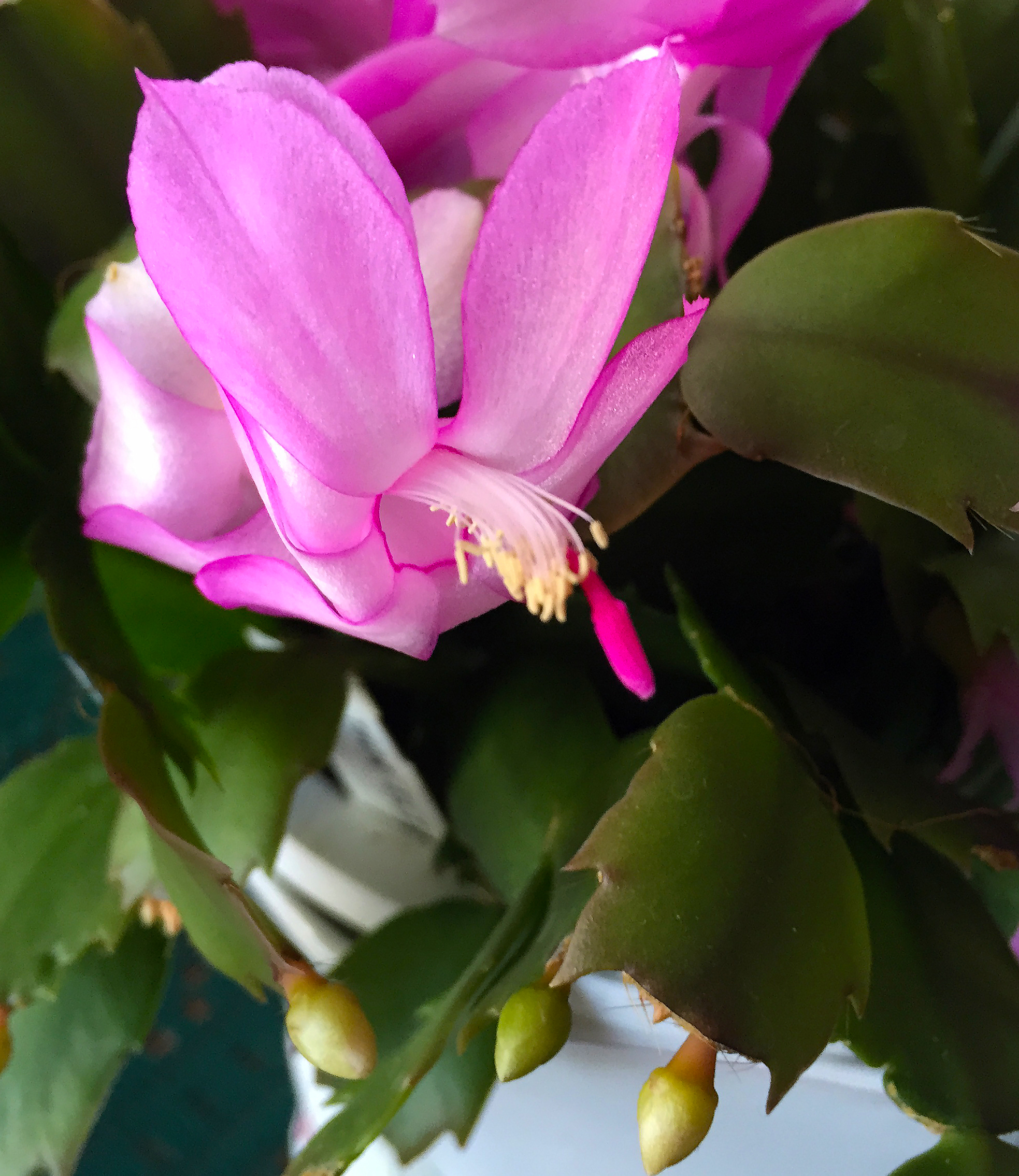
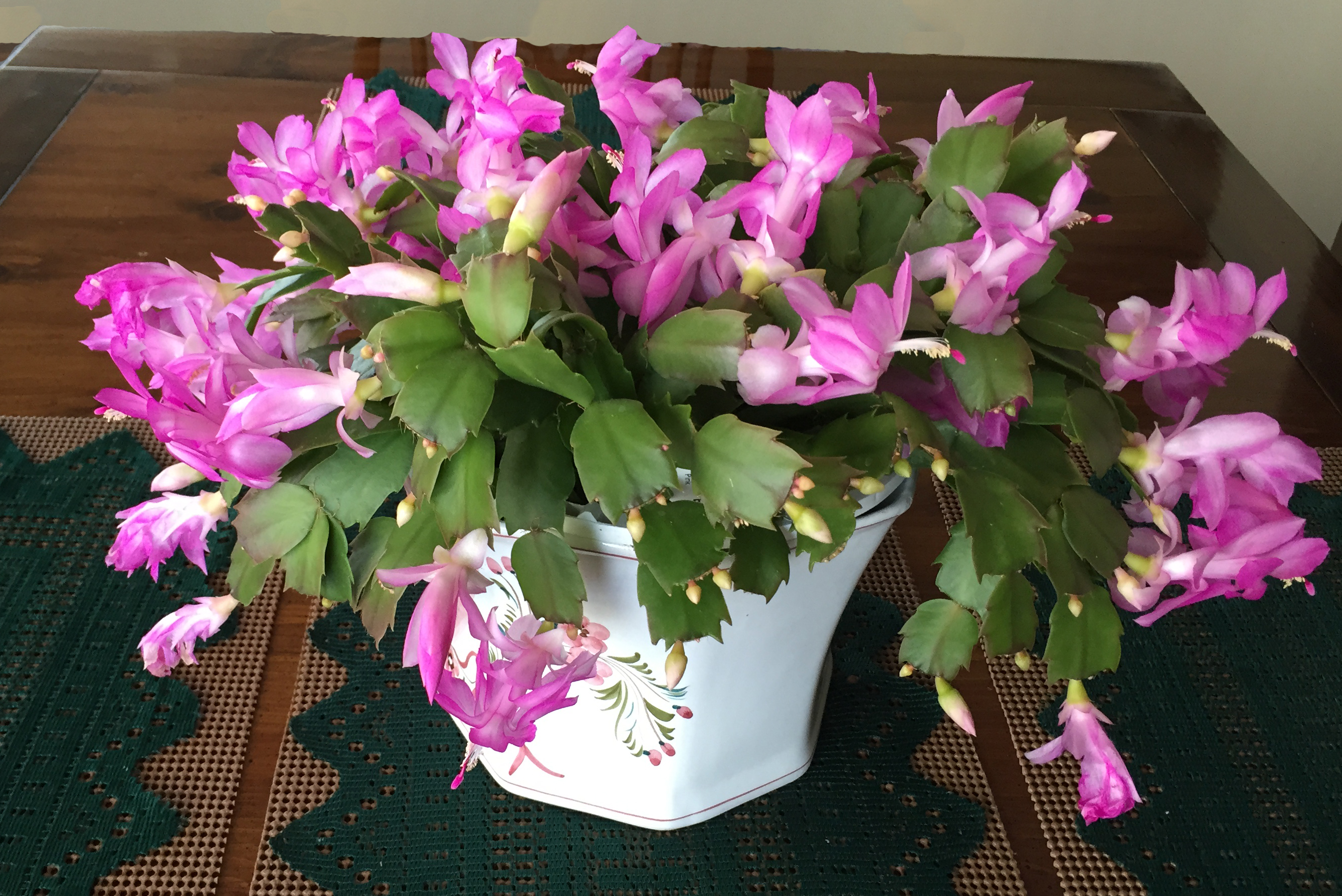
I had a Christmas cactus for over 30 years.  It grew woody and eventually just gave up the ghost when I moved it from its happy place in my house to my apartment.  Last year I thought I would replace it and bought a small pink plant while doing my grocery shopping one day in November.

Cactus 1

This new plant didn’t like the move to my apartment either. It wilted, the buds dropped off and it looked … sickly.  Many of its green stalks became yellowed and wilted and fell off.  I nursed it along and barely kept it alive.  Many times I thought of tossing it but for some reason … it was alive after all …  I kept it.

Cact 2

I moved it to a spot closer to the window in late September. It perked up. Buds started to form.  This week it has rewarded me for hanging in with a fantastic, full display of vibrant pink flowers.  I look at it as the plant’s way of thanking me for not giving  up on it.

This plant has reminded me of a lesson I always try to remember. As long as there is a hint of hope we should not throw in the towel.  Never Surrender.

“Never Surrender”   Corey Hart  1985

Just a little more time Is all we’re asking for

‘Cause just a little more time
Could open closing doors
Just a little uncertainty
Can bring you down And nobody wants to know you now
And nobody wants to show you how

So if you’re lost and on your own
You can never surrender
And if your path won’t lead you home
You can never surrender

And when the night is cold and dark
You can see, you can see light
Cause no one can take away your right
To fight and to never surrender

Lest…

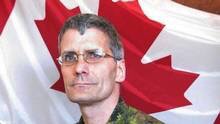
Capt. Matthew Dawe.  Killed in Afghanistan in 2007.

Capt. Matthew Dawe. Killed in Afghanistan in 2007.

I did not know Capt. Matthew Dawe. I do not know his family. But the death of this Kingston soldier in Afghanistan in 2007 touched me, just as the recent deaths of Corporal Nathan Cirillo and Warrant Officer Patrice Vincent did last month. The collective outpouring of grief we felt as Canadians reminded me of the debt we have to people who provided support and protection and care to our society. This includes members of the Forces but also firefighters and policemen and nurses and …

Several friends on Facebook are posting a photo of Matthew Dawe, both to remember him and his family but also as a representative of all those other people, alive and dead, we need to remember and acknowledge.

In July 2007, I wrote an article for the Kingston Whig Standard about this event. Here are some updated excerpts.

When I go to an NHL hockey game I’m always astounded and delighted when the whole arena erupts simultaneously with a response to a near-goal or a spectacular play. It feels like all twenty thousand people are experiencing the same emotion or reaction at exactly the same instant and are expressing it as a whole rather than individually. I never get tired of that experience. It momentarily bonds the entire crowd and is what makes seeing the game live so much more exciting than watching it on television, no matter how big the screen.

This past week, I experienced a similar feeling of oneness with a crowd but the link was found in solemn silence and not a cheer.

I’m not in any way a “military” person and I have absolutely no connection with the family of Captain Matthew Dawe or his family; however, I felt an intense draw to attend his funeral service.

I read with interest and concern the reports from Afghanistan and elsewhere of the lives of Canadian soldiers lost in a conflicts that are complex but ones to which our Canadian military presence has been committed. I had not had the opportunity to show my respect and gratitude to any of these fallen individuals or their families. So the death of this young Kingston man with strong local connections drew me to participate in the grief that accompanies such a tragedy.

Several hundred people from all walks of life gathered for the funeral as a brass ensemble played brief muted selections prior to the ceremony and images of an ordinary young man and his family appeared on large screens at the front of the hall. Between the selections, despite the large crowd, there was an absolute and intense silence. Like the cheers at a hockey game, this sober silence, a spontaneous and collective reverence, had a dramatic and unifying effect.

No doubt we were all thinking the same thing. How difficult it must be for the family to experience this loss. How sad it seems that there is such hatred and tension throughout the world. Is it really worth it? Is anything being accomplished or is the whole exercise futile?

How many similar ceremonies have been held for many young Canadian soldiers? Slowly my thoughts moved to a wider perspective to include the deaths of thousands of U.S. soldiers killed in Iraq or, every bit as tragic, to the thousands of military and civilian families who have suffered painful losses as a result of wars around the world, including Kurds and Palestinians and Somalis.

Canada’s role as a stabilization force and facilitator of reconstruction in states like Bosnia, Afghanistan and Iraq is an important one. We have trained and skilled military personnel who, like it or not, we must share with the rest of the world. Repeatedly we hear how young soldiers are anxious to serve in these areas. It is their profession and they are convinced that they can make a contribution. We have to believe them. From a distance we are overwhelmed and perhaps biased by images of slain youth. They, however, can see first hand the positive effect that they are having and that is what motivates them.

The Dawe family gave us a great gift, not only in their contribution to Canada’s military force (Matthew was not the only soldier in the family) but also in allowing us to participate in some small way. Their dignified, yet personal response to this tragedy and their generous invitation to the public to share in this time of mourning allowed us to express the sadness that we feel as a result of losses we know are occurring and also to reflect on the forces that have brought this conflict about and our country’s role and responsibility to attempt to bring about a some resolution.

The spontaneous, respectful, dead silence of that arena said more than loud cheers or protests could. The service of our Canadian Forces personnel touches us all in one way or another. Collectively we pay a price but we must not lose sight of the reason that our troops are caught up in these conflicts or focus only on the losses and not on the gains that happen as a result of their work.

Warrant Officer Patrice Vincent

Warrant Officer Patrice Vincent

Corporal Nathan Cirillo

Corporal Nathan Cirillo

CanAssist Newsletter

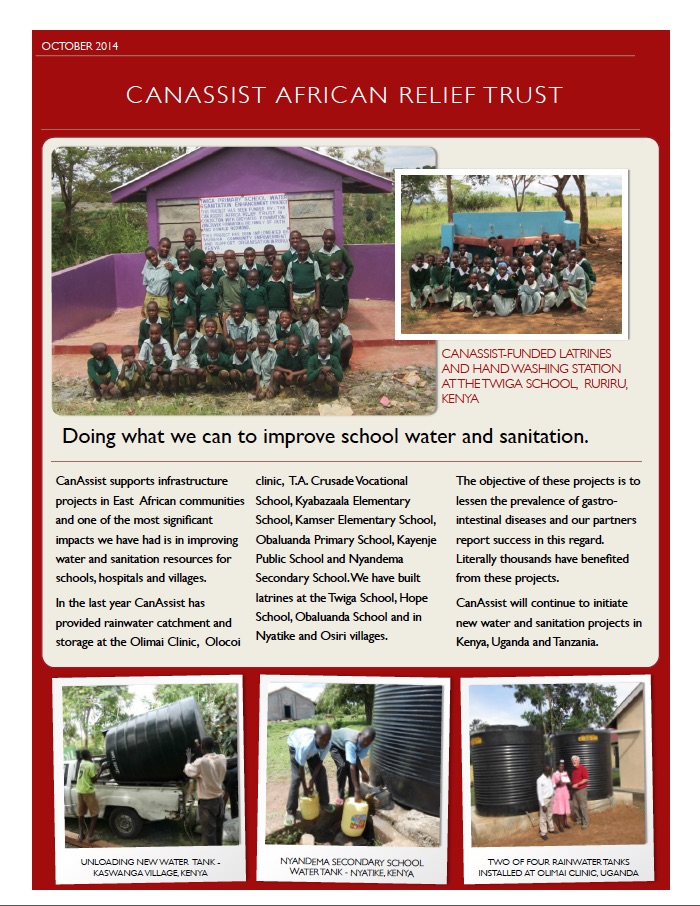
I am delighted to share the most recent newsletter update from the CanAssist African Relief Trust.

We are proud of the work that we do to improve infrastructure in East African Communities  Improvements to water and sanitation is high on our list of priorities.

Newsletter JPEG

We received this photo of students at the Wambusa School in Nyanza Province, Kenya, celebrating arrival of a water storage tank for the school.  In addition, CanAssist is funding new latrines for the school, benefitting about 300 students.

We received this photo of students at the Wambusa School in Nyanza Province, Kenya, celebrating arrival of a water storage tank for the school. In addition, CanAssist is funding new latrines for the school, benefitting about 300 students.

A few moments of respite after a harrowing week

It’s been an emotional week in Canada.  if you are like me you have shed some tears and emerged feeling proud to be Canadian and a sense of unity for the country that is palpable and, I hope, lasting.  I invite you to take three minutes to sit back, put this full screen, turn up your audio and enjoy these tranquil photos of wonderful Canadian autumn that I have compiled this week. May we all find peace.

The day after

Today, in Ottawa, it seems that the government is planning to carry on as normal.  This, I think, is an appropriate response to the attempt at intimidation by a fanatic.  Terrorists want to inject fear and disrupt.  By going back to work (after gathering outdoors at the War Memorial to sing O Canada and remember the slain soldier), our Members of Parliament have put actions to their declarations that “We will not be intimidated.”

I am proud of their response. This is what it is to be Canadian.

I do hope that, in the upcoming weeks, there is positive focus on this breach of security in Ottawa.  The easy thing (as with the Ebola crisis)  is to look back and blame and pose all sorts of questions that are much more evident in hindsight than when a problem is developing.  We need to learn from the past but also be calm, patient and determined and avoid name-calling and partisan mud-slinging.

Yesterday was a traumatic day for Canada.  It was reassuring to see a swift, professional and thorough response to the crisis and CBC news coverage was responsible and not hysterical.

I am glad to be Canadian.

What’s next?

Whenever I have international visitors I am proud to take them to Ottawa to see our nation’s capital and, in particular, to roam around Parliament Hill. They are always astounded that ordinary citizens can get so close to our government offices and feel ownership for this part of our culture.

There are usually RCMP security personnel stationed around the hill but they are often inconspicuous and never intrusive or threatening.

This morning, about an hour a go now, a soldier who was stationed at the War Memorial was shot. A couple of days ago, another soldier was killed in a “terrorist” attack by a fanatical Canadian jehadist. That attacker was killed and ISIS is praising him as a hero. What exactly is happening right now on Parliament Hill is not clear.

Canada has recently entered the “war” against ISIS by contributing planes to the international campaign in Iraq. Is today’s event in Ottawa a consequence of that involvement or just an act of violence by an individual copycat.

These two events will likely bring about changes in security. I mourn the loss of our collective innocence. I also know that my home town of Kingston with its Royal Military College and Armed Forces Base will be on some terrorist’s “list”. That thought is sobering.

It was really only a matter of time. What’s next?

Where is this heading?

I am worried about Ebola. It is rapidly spinning out of control.

Photo from internet

Photo from internet

I can’t imagine what it would be like to be a four-year old African child whose mother is dying of Ebola and I can not hug her or comfort her as she is dragged off by people looking like space travellers. I can not imagine what it is like to be a health care worker in a facility where there is no clean water supply, limited resources and few beds and knowing that just touching someone who is infected to provide care for them or make them more comfortable is risking my own life.

It annoys me somewhat when I see the panicked response of the U.S. or Spain when they get one case that is treated in health care systems that have funding many, many times that of the West African countries that are struggling to manage it. When the outbreak affects thousands in Liberia, far away, the response is muted. When one person in North America is treated with it, the response is a cascade of protective efforts, likely costing billions in the long run. I am not saying this is wrong, just imbalanced and so self-absorbed.

It frustrates me to know that the international community has dragged their feet in responding to this outbreak … until it becomes obvious that, with international travel, it is only a matter of time that the disease reaches us. It worries me that other African countries will soon be at risk and that their health care systems will do their best, but are woefully inadequate to cope with the anticipated exponential spread of this virus.   It troubles me to know that economies in many African countries, already struggling with poverty, will be decimated. Tourism is a major source of income. What traveller is going to pick an African vacation for their family with all this negative press and uncertainty?

When I graduated from medical school in 1974 there was no AIDS. Well, there were a few cases, scattered somewhere, but we didn’t know about it. Now millions have been infected and died of AIDS and although we have medications to manage it, we do not have a cure, nor effective immunization against it. Will Ebola be the next AIDS? Or worse?

What can we do about it? What can I do about it? So far the Canadian government has allocated about 5-6 million dollars to this crisis. They have also just approved an air bombing campaign in Iraq of undetermined cost but with estimates of 100 million dollars or more.   It costs close to $17,000 per hour to operate a CF-18 and each JDAM-equipped bomb that is dropped costs about $25,000. Can we get our priorities straight? Or at least balance them? How do we influence these decisions?

I have worked for the past five years to help to provide infrastructure improvements for schools, clinics and communities in East Africa through the CanAssist African Relief Trust. Will this be at all helpful if Ebola spreads eastward in Africa? I would like to think it will help. Education about spread of the disease and protection from it is essential to avoid infection and schools are a resource to help with that. CanAssist has supported clinics in several communities and has provided improved water and sanitation to communities and schools. Hopefully this will help if the need arises. Without adequate sanitation or access to clean water, how can anyone avoid contamination? CanAssist’s work involves only a few communities – we have limited resources despite a never-ending need. But hopefully, by preparing some communities a bit with infrastructure to help manage any possible outbreak (of Ebola or any other health threat) we can, in fact, save a few lives.

I plan to return to East Africa early in 2015. In addition to continuing to monitor and support new and existing projects through CanAssist (at no cost to our donors, by the way) I will be thinking about helping to provide some medical information about Ebola to the communities that I visit in preparation for what I fervently hope does not happen there. I have often felt that if Africa was educated about HIV/AIDS early on that this scourge would not have taken hold the way it did. Maybe with some warning and information, countries neighbouring those currently affected by Ebola can prepare to prevent it from engulfing in their communities. Not a panicked, emergency response but a practical preparation for a possible threat. It is worth a try.

“If I am only for myself, then what am I? And, if not now, when?” Rabbi Hillel, 50 BC

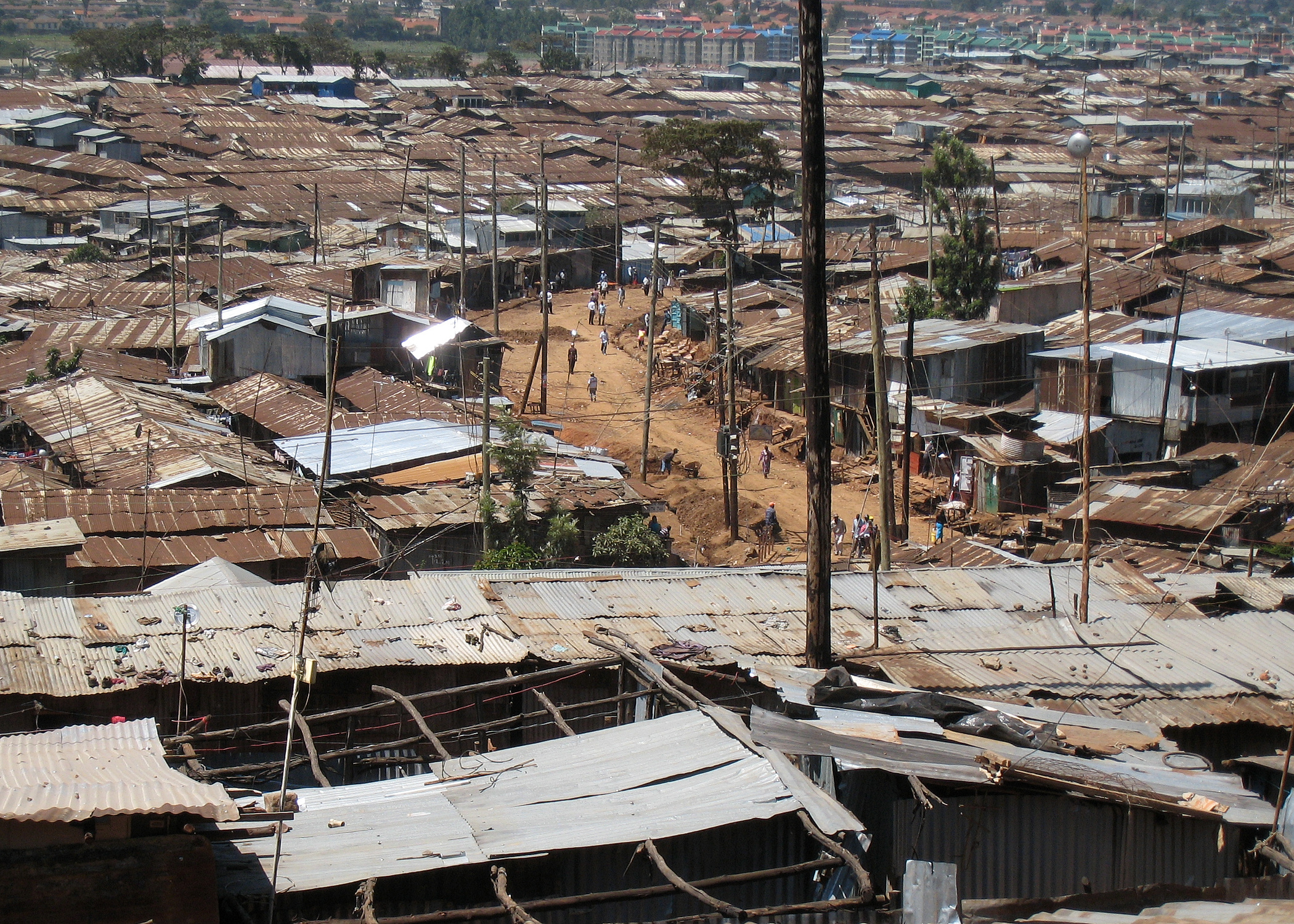
Slums in Africa house millions of people with little access to health facilities, clean water or sanitation. How would you contain it if an Ebola strikes here?

Slums in Africa house millions of people with little access to health facilities, clean water or sanitation. How would you contain it if  Ebola strikes here?

“August” is over

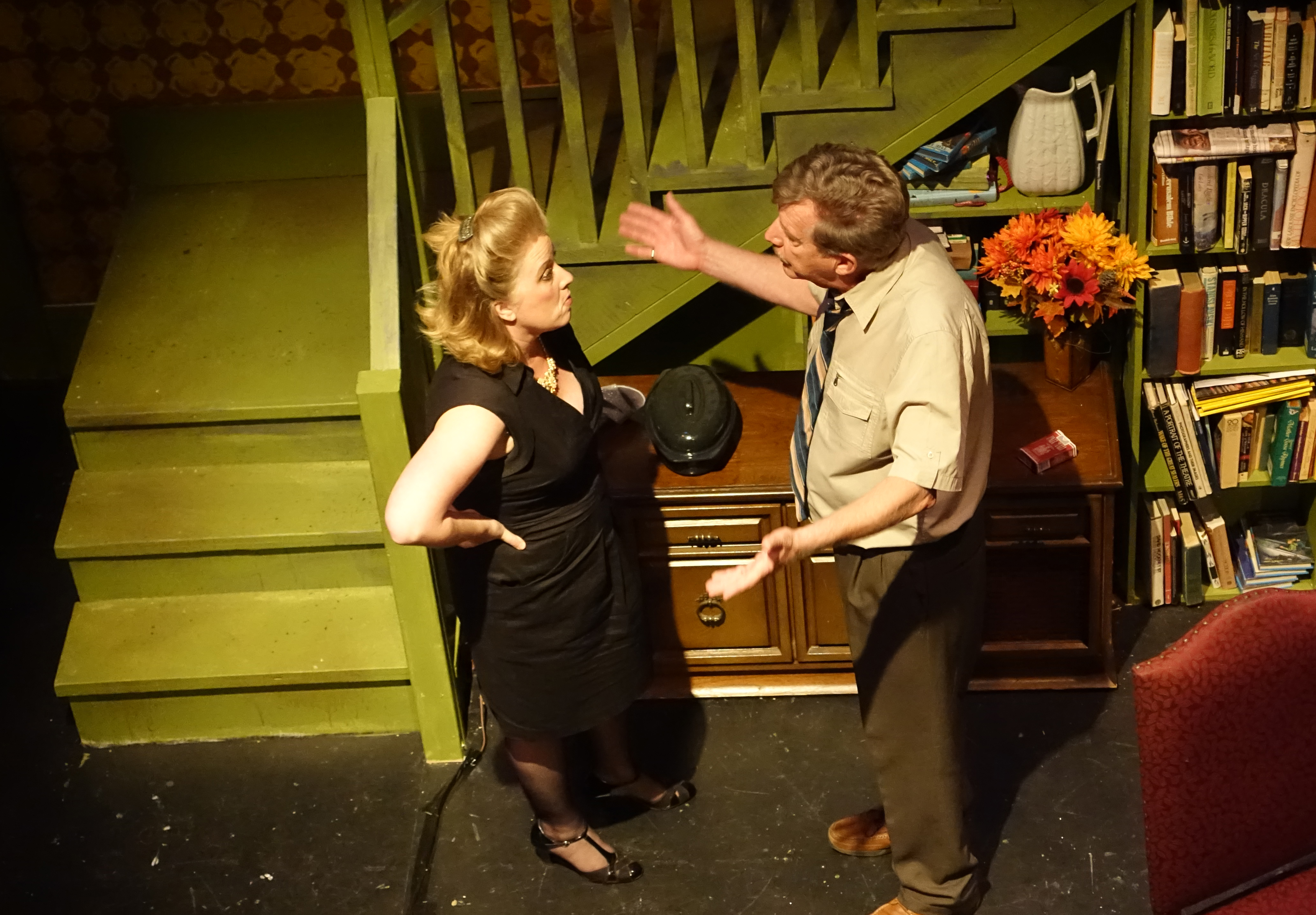
The stage has been cleared. Set dismantled. Moustache shaved off.  Kings Town Players production of August:Osage County is over.

What a great run we have had.  This is the best production that I have been in.  The play is very well written and keeps the audience engaged throughout. It is intense and emotional and funny and relatable.

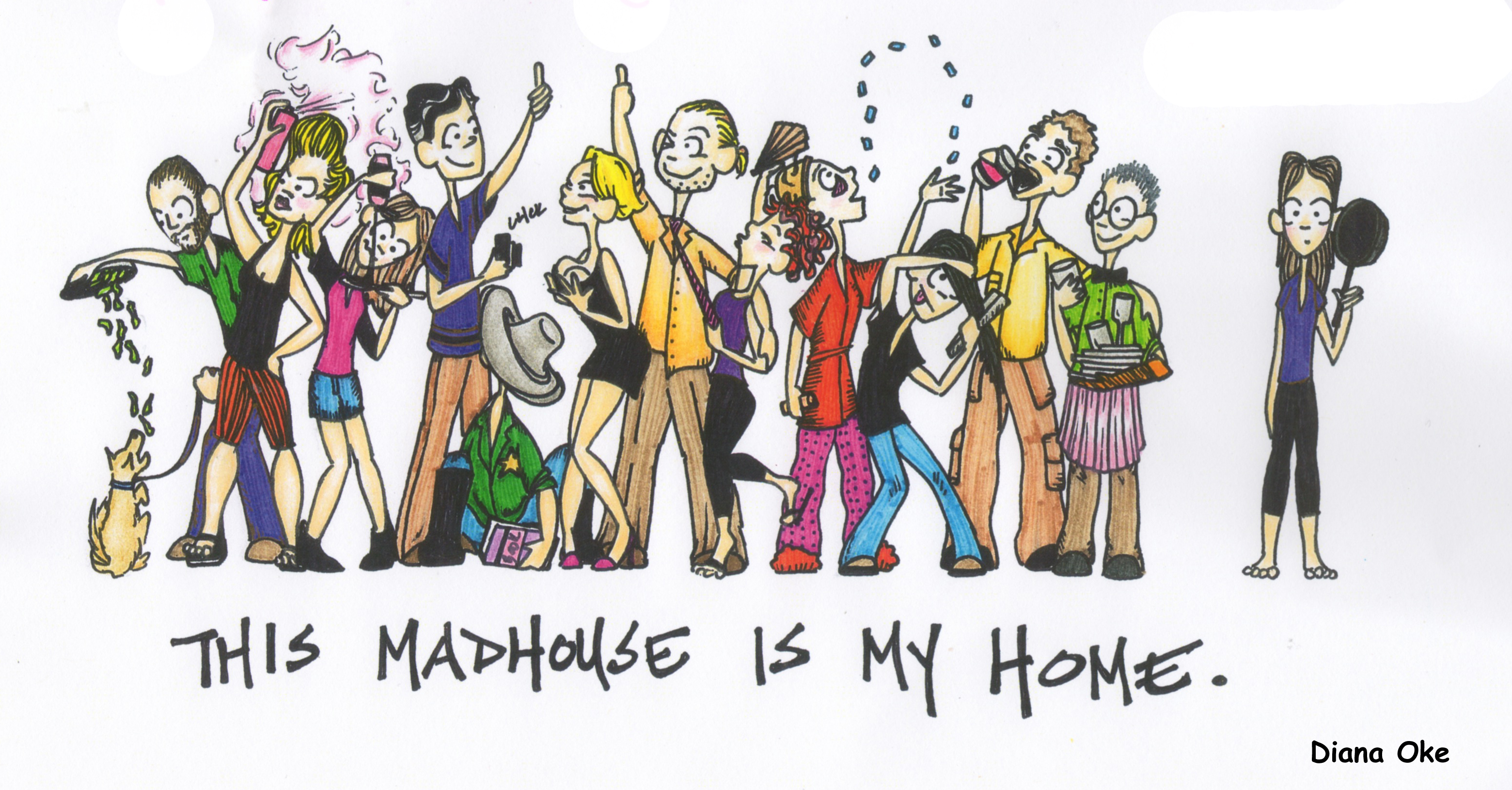
I was going to say that the cast and crew have worked like family to put this production together. But given the dysfunction in the play’s family, that may not be an apt analogy. We have worked like good friends. A real ensemble of cast and crew.

Dinner's readyTheatre is a team effort. For it to work, we need to trust and rely on all the other members of the team to do their part and sometimes rescue us if we goof up, forget a line or are in the wrong place at the wrong time.  We all pulled together to mount a show we are all proud of.

I dont understand this meannessOne of the sad and wonderful things about live theatre is that every production, every performance, in fact, is unique. And once it is done, it is done.  Unlike a movie that you can watch over and over again, the theatre play exists only for the couple of hours that it is presented and then it vanishes.  It has been a pleasure and a privilege to work with my K.T. P. friends to bring this magic to life in August:Osage County.

AOC 2014

Kings Town Players - August:Osage County September, 2014

Kings Town Players – August:Osage County                 September, 2014