Several thousand words …

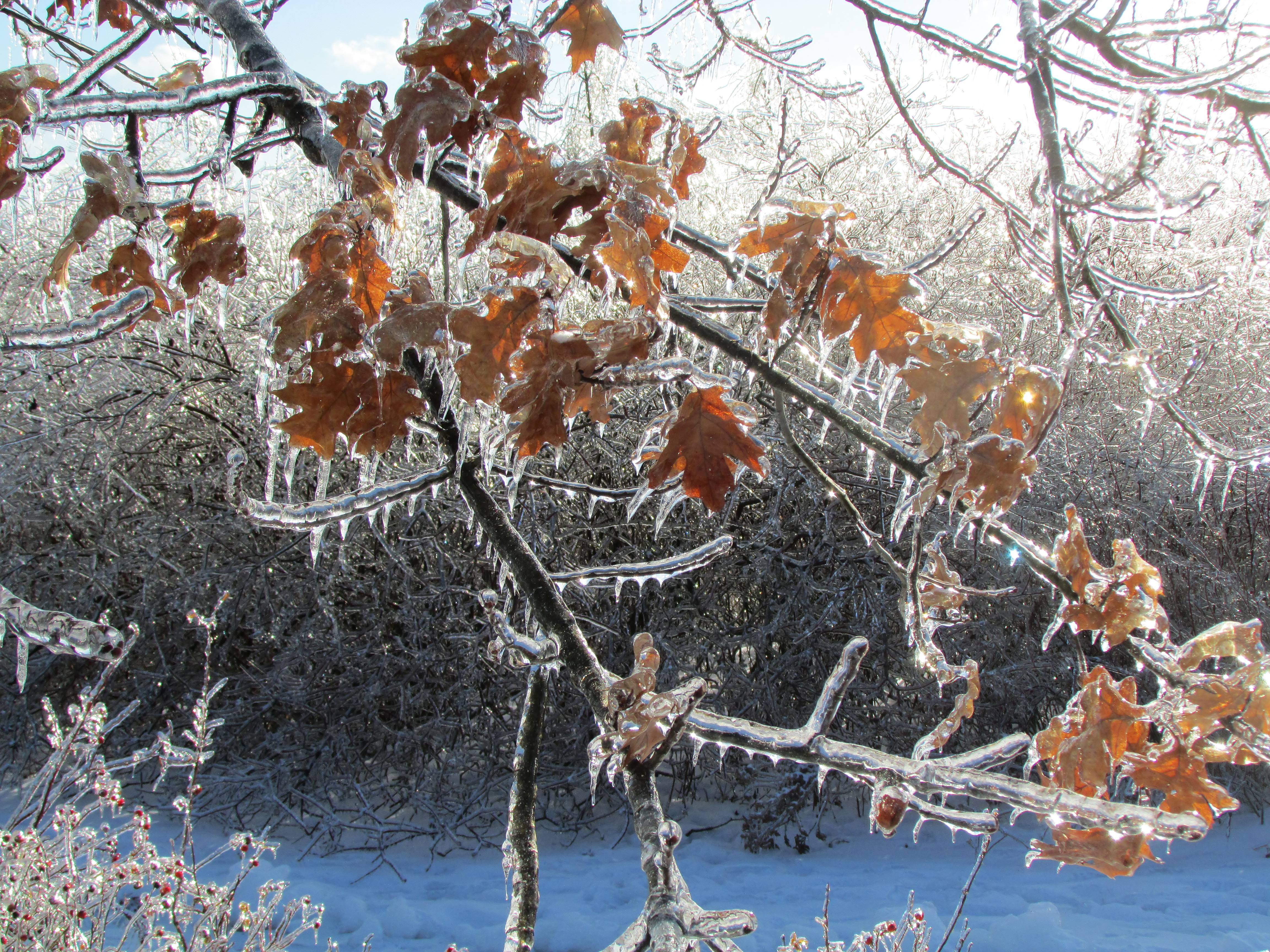
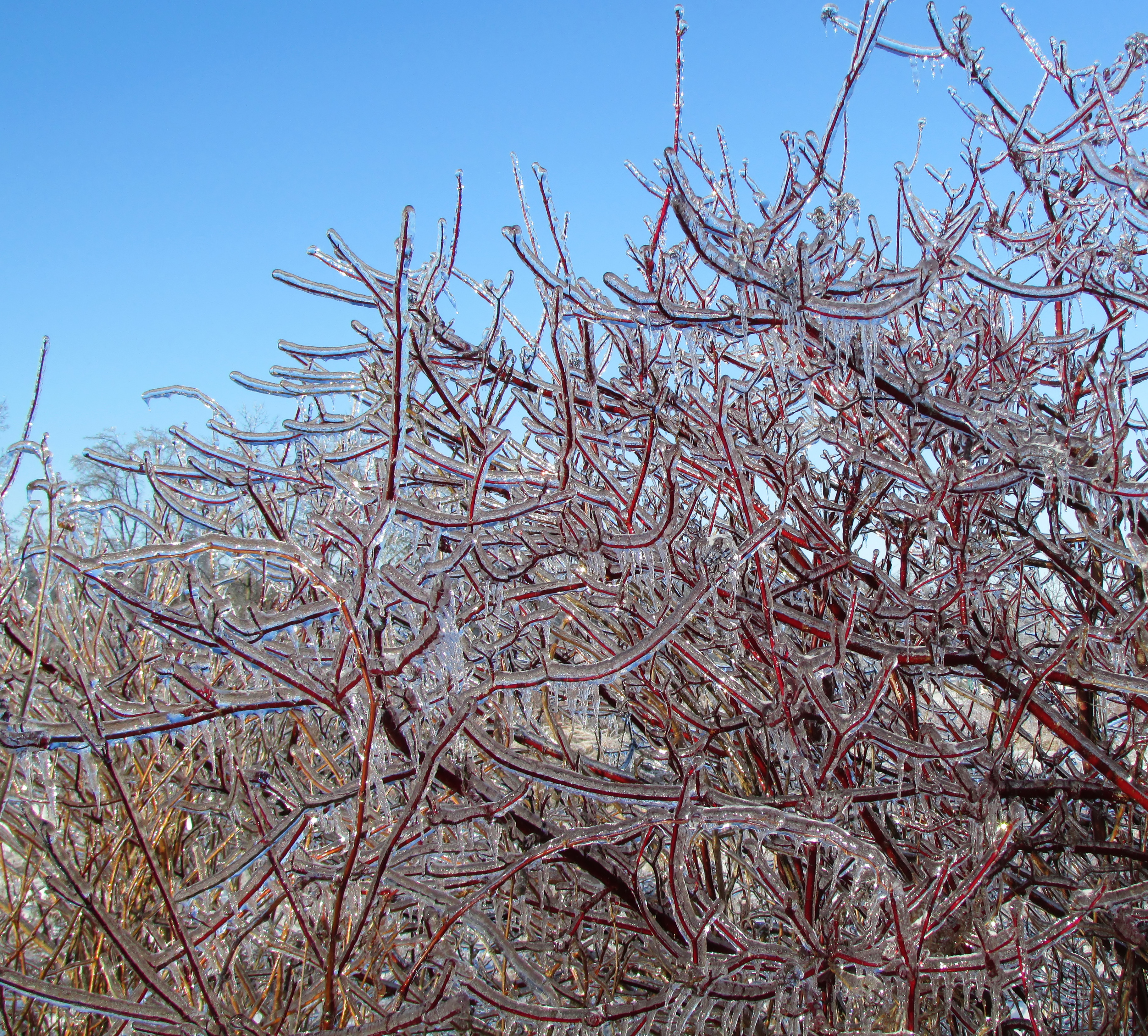
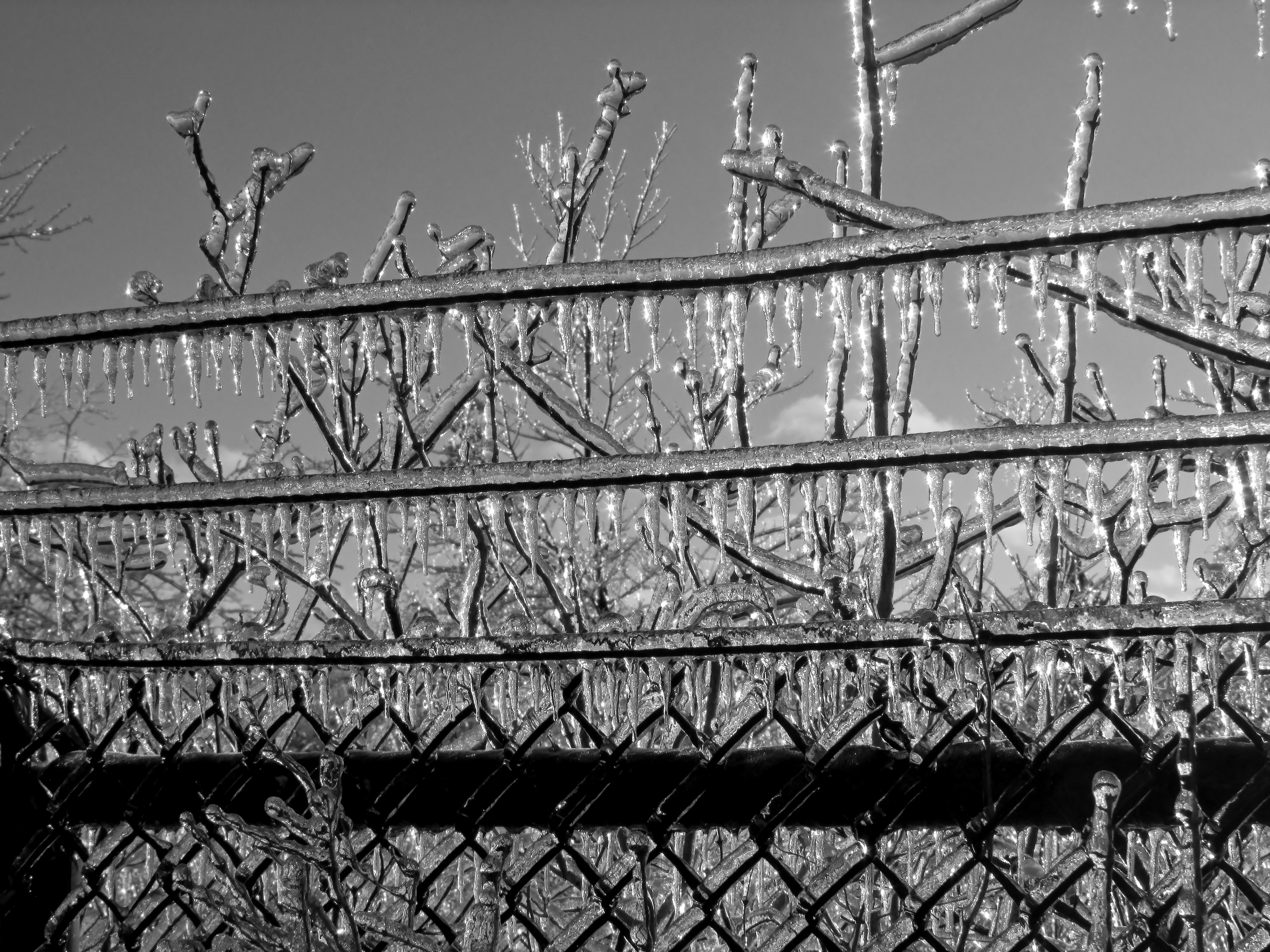
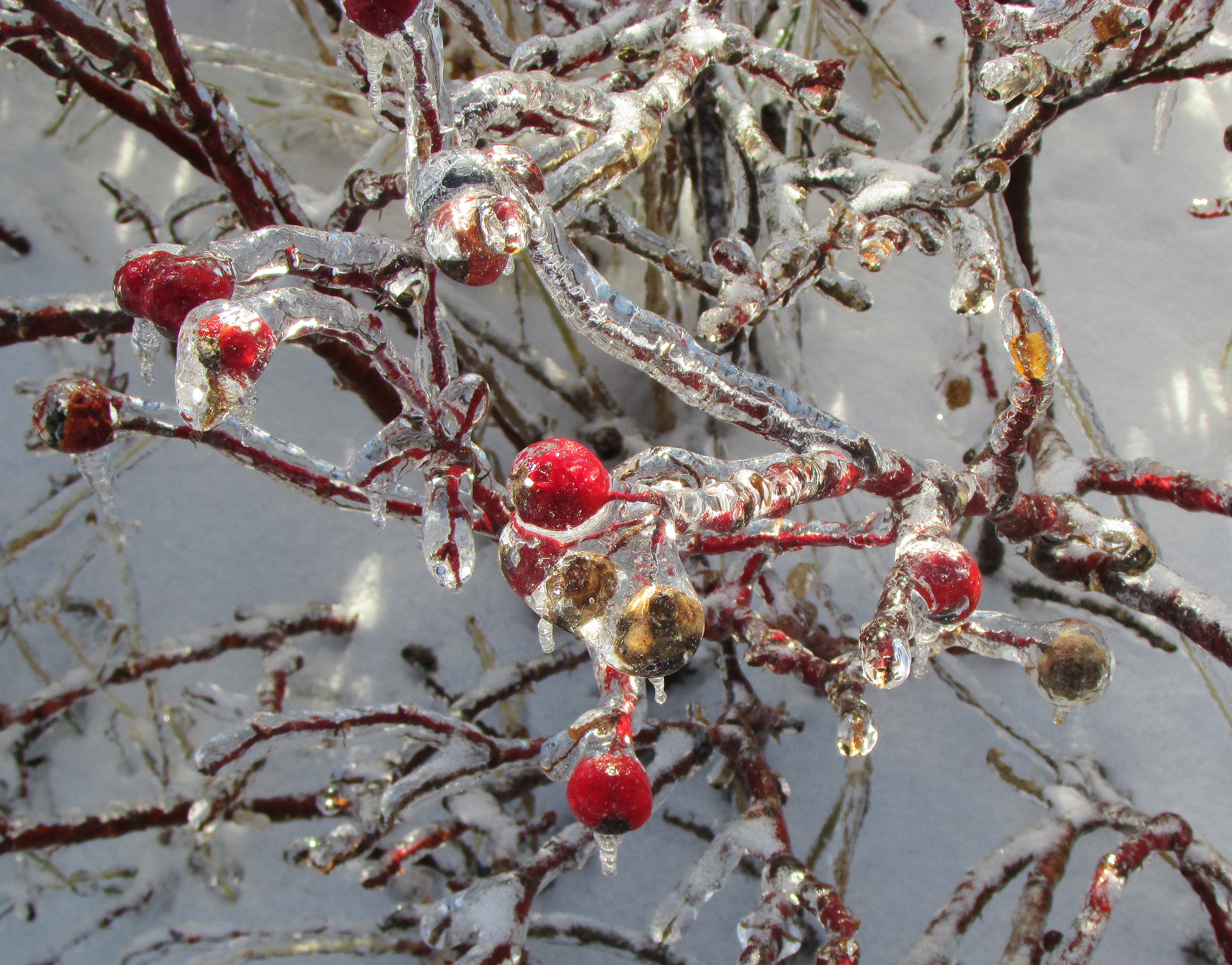
A picture can be worth 1000 words, apparently.  This week the combination of freezing rain followed by minus 15 degree temperatures coated the trees with ice that has stayed for a few days, even in the bright sunshine.  The result was a spectacular glitter. I will let the photos speak for themselves.

Ice and Berries F

Ellie Snow

Leaves and ice F

Icy Branches

Ice on fence BW F

Ice and berries2

Ice and Sun F

Merry Christmas.

We CAN be good…

I have been curiously surprised that every time I watch the rescue video of that crane operator stuck out on the boom above a raging fire in Kingston I choke up.

Maybe I am just getting soft in my old age. But there is something very gripping and touching about one human being rescuing another from probable death. It is all the more remarkable that the rescuers were helping a total stranger. (Although the fellow dangling below the helicopter seems to have gotten most of the attention! there was a virtual squadron of Emergency and rescue people involved in making this happen.)  I know it is their “job” but they seem to have done their “job” without questioning the risk to themselves. We owe these people a huge thank you for keeping us safe.

What touches me most is the reassurance that we humans can respond without question when we see one of our own in mortal danger or in need. We are constantly bombarded with news reports about mankind fighting and cheating, manipulating and hurting each other . With this incident, we are reminded that at the core we can be good. I am grateful for that reminder this week. It is an unexpected gift to be reassured that we can and will look after each other.

Anyone using the internet has seen the touching photos and videos of animals braving danger to rescue one of their own. The African Buffalo that save one of their young from lions and a crocodile are dramatic and heart-warming. For me, the heroic aerial rescue that happened right here in my home town is as spectacular.

imagesPhotos from Kingston Whig Standard, CKWS TV and YouTube.

Balls…Christmas ones.

Some stories get told over and over again at Christmas. Frosty the Snowman, Night Before Christmas,  The Wise Men and Shepherds. This is one I like to remember and particularly this year.

One of the Christmas traditions for Canadian families involves putting up the tree.

Flashback to 1957.

Our family has recently moved into a new house on Victoria Street in London, Ontario. It is time to put up the Christmas tree. My Dad is delegated to get a tree and bring it home for the family to adorn on a wintry Saturday afternoon.

Dad drags the tree into the living room, leaving a trail of sticky pine needles through the kitchen and over the dining room carpet. The tree, of course, is much bigger inside than it appeared on the lot. The top spire is bent up against the ceiling. Dad heads back out to the garage to cut it shorter. Unfortunately cutting off the lower 18 inches also removes many of the fine spreading branches that made the tree look so “full”.

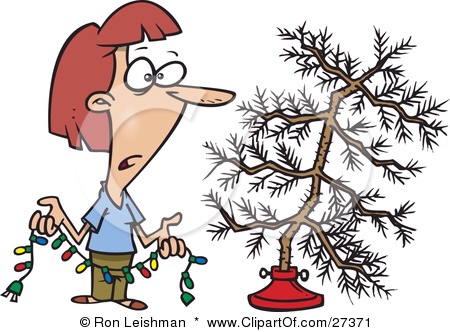
imageBack inside the next chore is to screw on the little red and green metal stand so the tree will stand up straight. But how can a tree with such a crook in the stem ever stand straight? Mom is not impressed with his choice of tree and keeps making disparaging comments while dad is lying on the floor trying to screw on the stand so the tree doesn’t fall forward every time it is stood up. My brother and I, about age 5 and 10 at the time, are meanwhile sorting through the Christmas ornaments, piling them into ones we like best and ones we don’t. One or two of them shatter when we drop them, emitting a most satisfying “pop” as they do and exploding little red and silver shards into the carpet. It was always disappointing to break one of those ornaments but there was also something quite intriguing about the shiny bits that resulted. And that funny little spring plug thing in the top of the ball suddenly was exposed and less mysterious.

Dad, in the meantime, is trying to figure out how to tie the tree to the curtain rod to keep it from falling over. Mom is busy cleaning up needles and sap and broken glass and asking why Dad got that tree in the first place. Tippy the cat is curiously watching and is soon choking on a tinsel ribbon until she throws up.

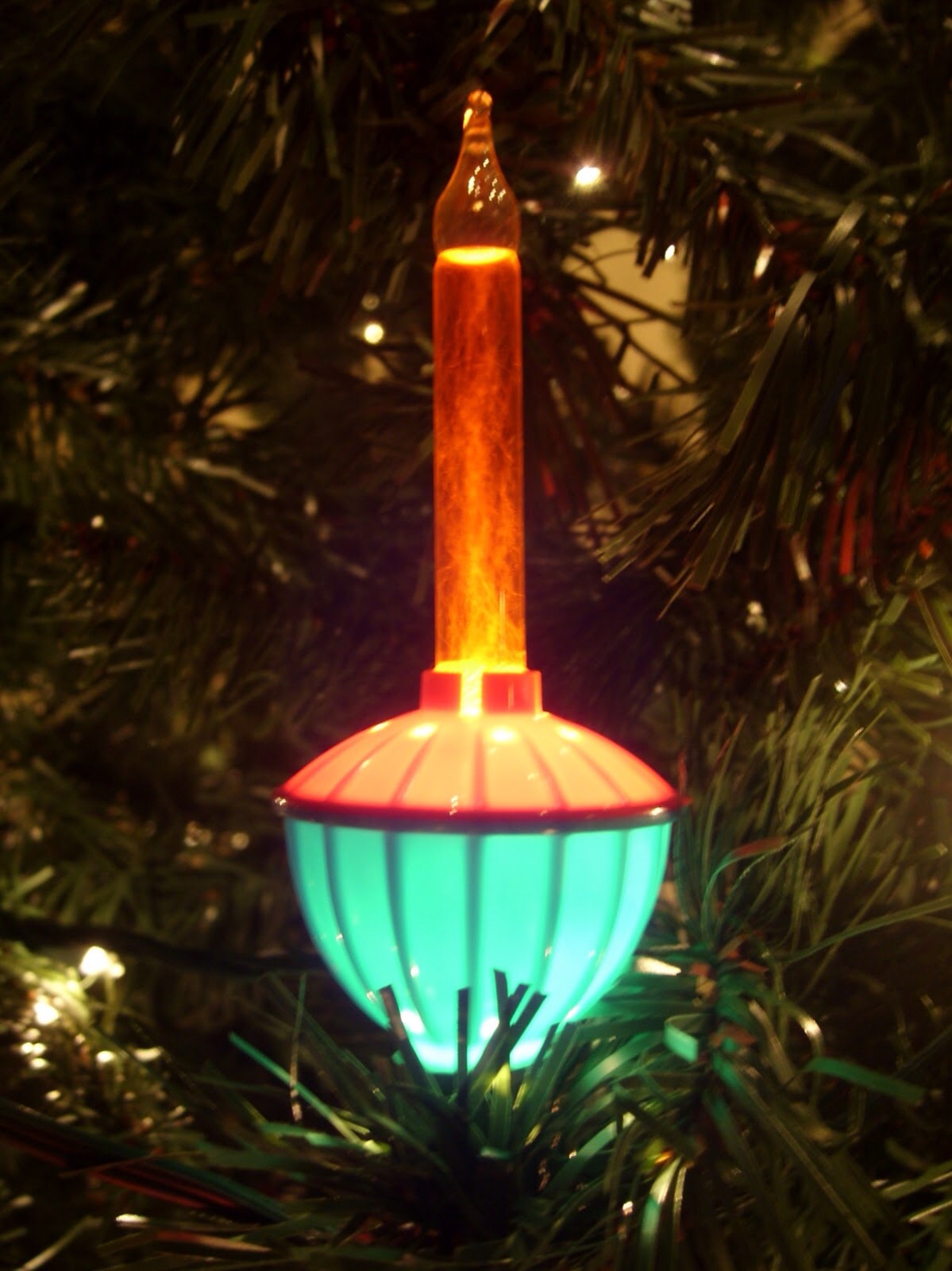
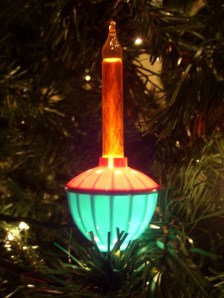
We start to put the lights on the tree. Back then the lights were little screw-in bulbs, the paint on many if them chipped off and some burned out. This made positioning them aesthetically a problem. There were also a couple of special bulbs that had to be prominently displayed. imageThey had a little reservoir of fluid that was somehow heated by the bulb and sent bubbles up a pencil-like tube. Next the balls, the handmade ornaments from school and lastly the tinsel. There was always a debate about how much tinsel looked best. Throwing the light silver strands toward the tree to see where they will land was always something I enjoyed.
As the last touches are made, Mom, clearly not happy with the crooked stem, the piece of twine holding the tree up or those “bare spots”, comments how the tie-up to the curtain rod spoils the whole thing. It looks, to her, that the tree, as flawed as it is, will stand on its own. Dad, becoming ever more exasperated by the editorial comments coming from the rest of us, takes some scissors and says “Well, let’s see.” He cuts the twine. The whole tree falls forward in a heap. Mom, hands on her hips sighs and says what a poor choice this tree was.

Dad picks up the tree, carries it decorations and all to the front door, goes out onto the front porch and pitches it onto the front lawn. I rarely heard my dad curse but as he throws the tree he blurts out “Balls!” Then he adds “Christmas ones!”

Bob and I are standing in the doorway crying. Mom is fussing about what the neighbours will think. The cat is hiding in the corner. Dad is red-faced and likely now wondering how he will get out of this antic and save face. A picture of this taken from the street would have made the perfect Christmas card.

I actually don’t remember what happened next. When you are ten years old you don’t pay much attention to how these little family squabbles resolve. As long as they do. And somehow the tree ended up back in the living room and in the dark, with the lights twinkling and tinsel shimmering, the twine was not obvious, nor was the crook in the stem. The bare spots were filled with little packages and garland.

This, too, would have made a perfect Christmas card.

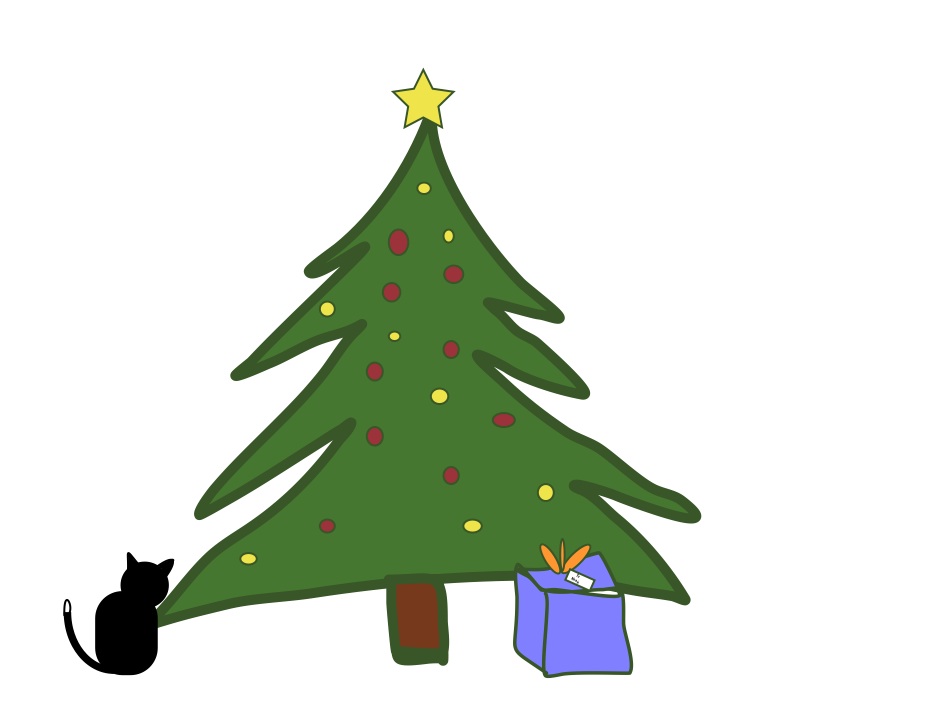
imageWell, at least until Santa decided that Tippy deserved a Christmas treat as well and tucked a wrapped catnip mouse on the tree for Christmas morning.

I will let you imagine the rest.
Grandma Vardon’s Shortbread

Grandma Vardon was born in 1902.  She was so much fun.

My grandparents Vardon as I remember them on the porch of their house at 504 Grosvenor St.  1958

My grandparents Vardon as I remember them on the porch of their house in London at              504 Grosvenor St.  1958

When she was younger she played the piano in silent movies.  There is a story about the movie house catching fire during a showing and Grandma played the piano as patrons filed out until she gradually was overcome by smoke and fell off the piano stool.  In her later years she took up the accordion which she would tote to family gatherings and serenade us with Tennessee Waltz or any number of polkas.

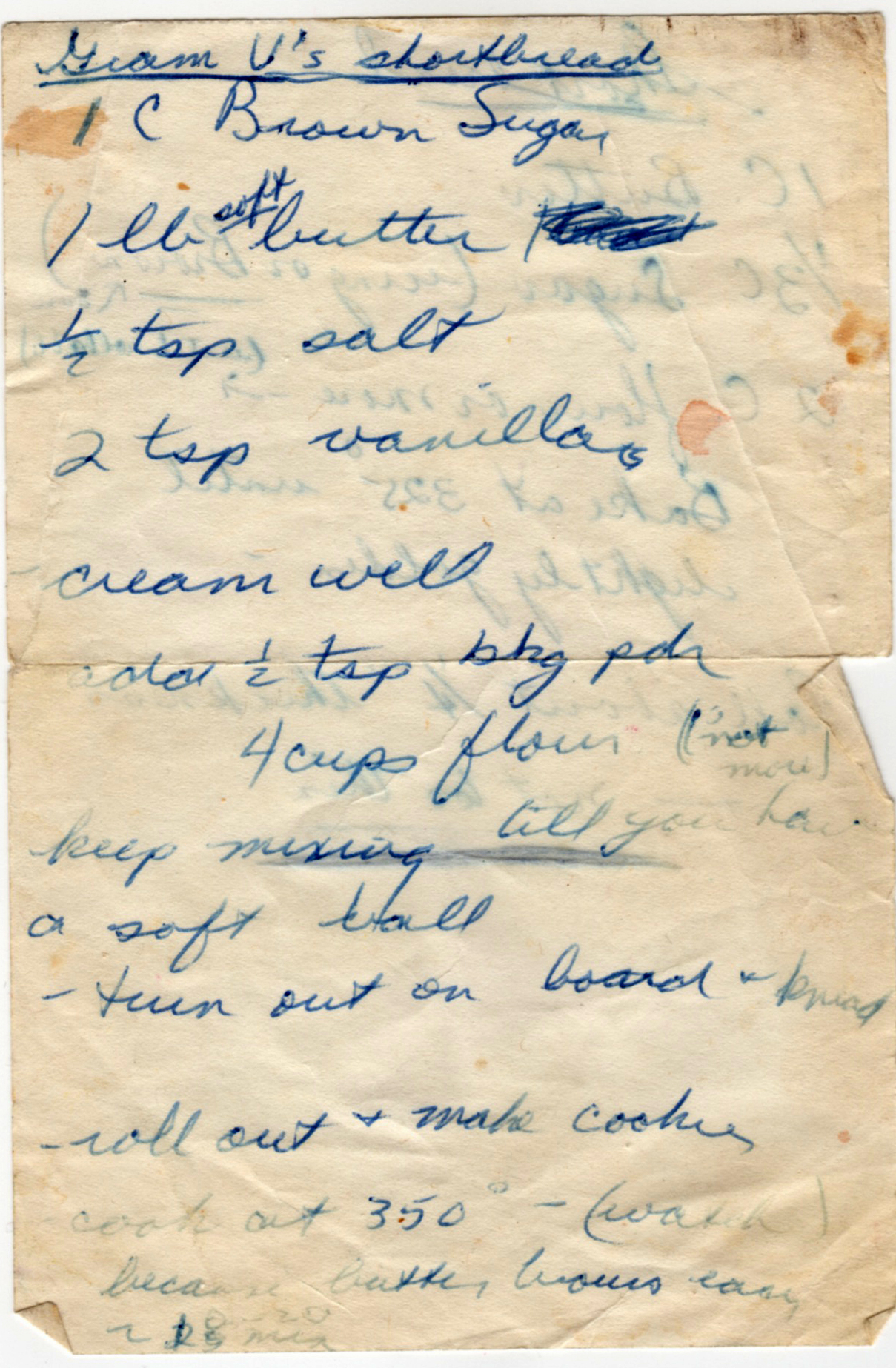
I always waited at Christmas for her shortbread and have a recipe that I scribbled down as she told it to me in about 1970.  I am happy to share it with you and you can share it too. But if you do, please call it Grandma Vardon’s Shortbread.

It is so simple, but so good. And even better after it has aged a few days. I am going to make some this weekend and take them this Christmas to give to her great-great grandchildren!

Grandma Vardon’s Shortbread.Grandma Vardon's Shortbread

1 cup Brown Sugar

1 lb softened Butter

1/2 tsp salt

2 tsp Vanilla extract

Cream well with a wooden spoon.

Add 1/2 tsp Baking Powder

and 4 cups of flour (not more)

Keep mixing until you have a soft ball. Turn out on a board and knead. Roll out flat and cut out cookies.

Cook at 325 degrees for 18-20 minutes, watching closely as they brown quickly and it is easy to burn them.

We used to make these in circles and bells and Christmas trees and decorate them with sugar sprinkles or one of those little silver sugar balls.

This is a great way to remember my long-gone Grandma Vardon (1902-1973) at Christmas. It seems like yesterday.


cookies

Graduation Day photos from Kenya

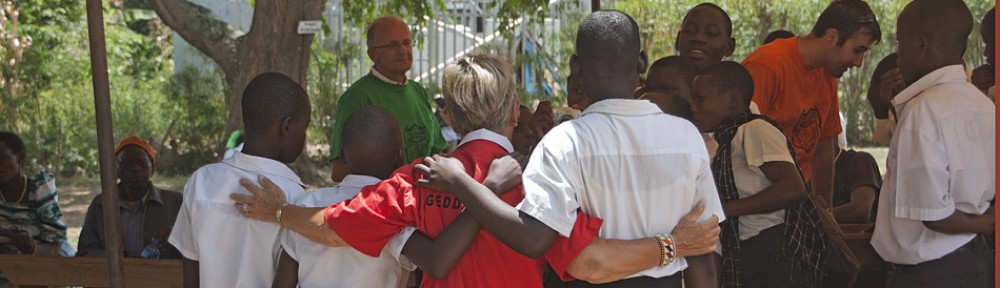
My day was brightened considerably yesterday morning when I received a sheaf of photos from Kenya showing the children at the SP Geddes Early Childhood Development Centre celebrating graduation of some of their students. I am not sure who is more proud, the kids or their parents. In the past month I have had greetings and announcements from a few of our CanAssist-supported schools in Kenya as they celebrate the end of their school year both with standard exams and graduation gatherings.

The  Canadian Flag flies proudly in the SP Geddes School compound.

The Canadian Flag flies along side the Kenyan one in the SP Geddes School compound.

The photos remind me of 64 years ago when I graduated from the nursery class at the New St James Church in London, Ontario. Always the organizer, I was the first one through the little white gate at the front of the choir loft and held it for the other “graduates”.

In the past two years, this little school has had many improvements funded by the CanAssist African Relief Trust and particularly by my father whose name is now both in the school and a little fellow in the community who, I see from the photos, is growing.

imageThis community has felt very isolated in terms of “development”. They are proud that their young kids are now able to get some early education which will make them more ready to enter the public school system when they are old enough to walk the several kilometers to the government school. Marking their graduation allows the children to feel pride and accomplishment as well and encourages them to continue.

I thank Meshack Andiwo for sending these delightful photos and send the congratulations of Stewart Geddes, CanAssist and all our Canadian supporters to the beaming graduates, not only of this school but also from Hope School in Mbita and Kanyala Little Stars on Rusinga Island who have held similar celebrations in the pars few weeks.

Little Stewart Geddes is growing.

Little Stewart Geddes is growing.

Improving access to Health Care in East Africa

Sometimes in East Africa, health care is not readily available due to the distance to a Clinic or Hospital.  People lack means of transport Ambulances are few or non-existent. Very few people have cars and “roads” are often bumpy overgrown pathways.  This results in people waiting until they are very ill before they look for competent care and by that time it is even more difficult to transport the sick person to a clinic. Many die en route to finding a qualified health care provider.

CanAssist has helped with construction of clinic buildings and provision of hospital equipment, sanitation and water for clinics in

  • Olimai, Uganda,
  • Mbita, Kenya,
  • Gembe East, Kenya
  • and Nyatike District, Kenya.

One of CanAssist’s first projects in 2008 was to complete a laundry facility for a hospital in Tanzania.

In 2012/2013, CanAssist has helped the Kared Fod Women’s Group in Nyatike District of Kenya to build a clinic/dispensary.  A nurse and two community health workers have been supported by grants from the Stephen Lewis Foundation but they had no building from which to work.  CanAssist constructed a clinic building with examining rooms, a small lab and pharmacy in 2012. In 2013 CanAssist put rainwater catchment and latrines in the clinic which opened to serve the public late in October.

A girl named Rose…

This is the text of an article that I wrote for the Kingston Whig Standard – November 29, 2013.

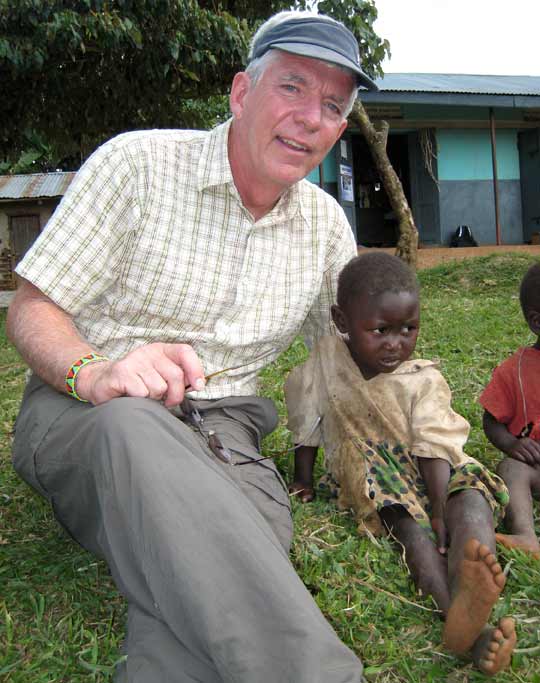
First encounter with Rose in 2006

First encounter with Rose in 2006

Over the past several years, I have documented my travels in East Africa in the Kingston Whig Standard. Those who have followed this journalistic safari will know that it has led me to be actively involved with the CanAssist African Relief Trust, a Kingston-based registered charity that funds infrastructure projects in Kenya, Uganda and Tanzania.

You may also recall me telling about a little girl named Rose that really started this all for me. Let me recap.

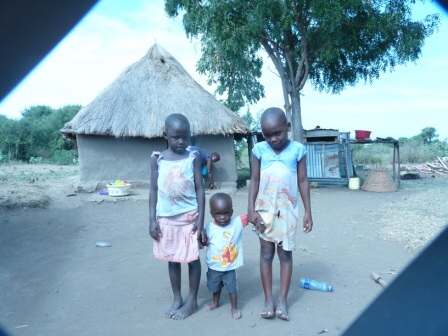
Sitting by the roadside with Rose in  2007In 2006, I was traveling with some McGill students in Uganda and we chanced upon a little waif sitting by the side of the road in a small rural trading centre called Ibura. The child looked sad and unkempt and she had a large open sore that was swarming with flies on her left leg.

The students were dismayed and wondered “What can we do for this child?” In short, there was not much that we could do. I dressed the wound on her leg and we assured ourselves that there was, indeed, some family that were in the village. But we felt uncomfortable heading back to our field station for lunch, knowing that this child and many others like her, were struggling to survive.

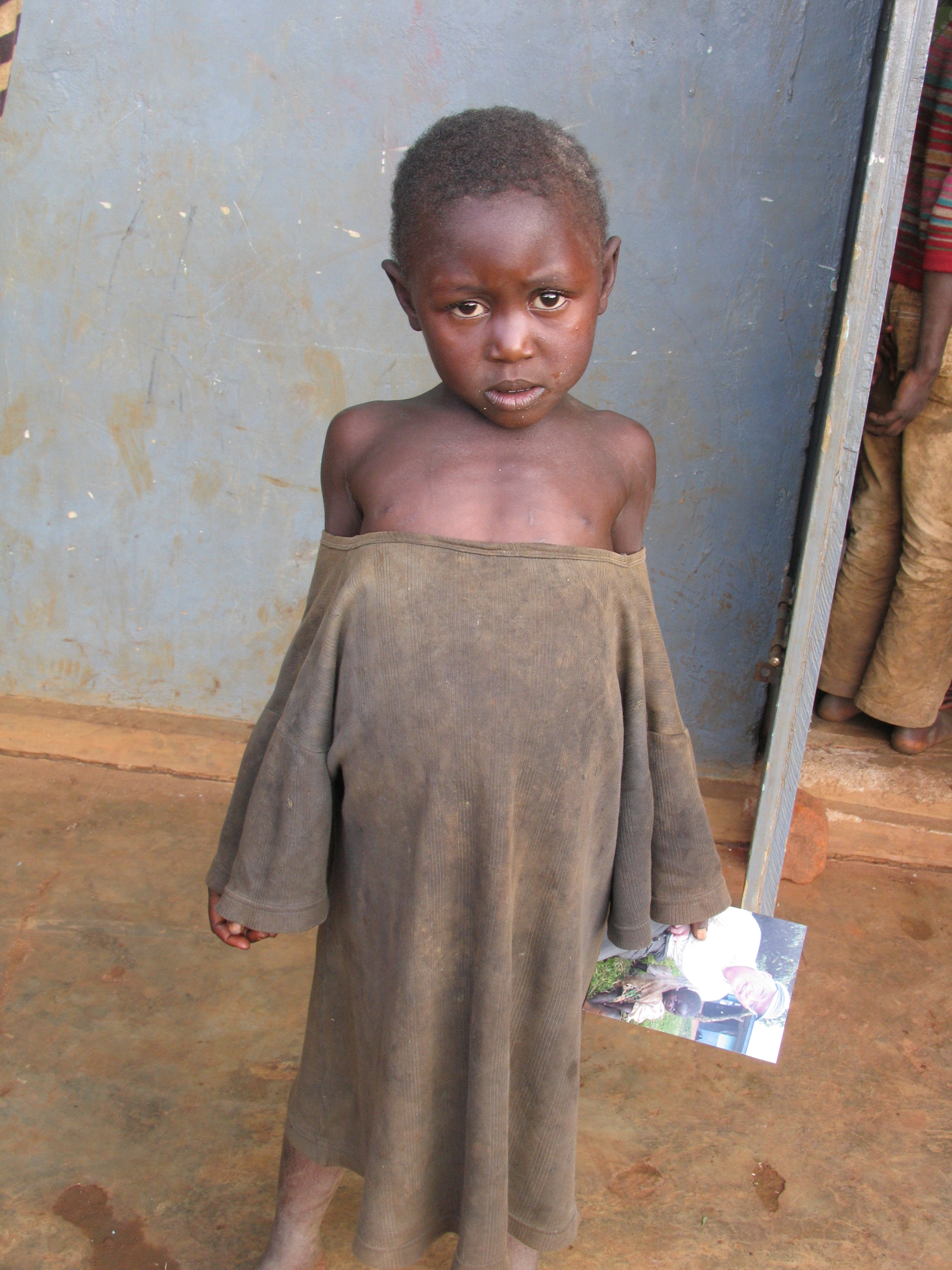
In 2008, Rose did not look well.  I had brought her a photo from the year before. She needed care, not photos.  In April 2008 we started the CanAssist African Relief Trust.

In 2008, Rose did not look well. I had brought her a photo from the year before. She needed care, not photos. In April 2008 we started the CanAssist African Relief Trust.

Unicef statistics in 2006 indicated that more than 11% of children born in Uganda would die before their fifth birthday. Would this child, obviously unwell and having minimal care be one of them?

The reality is that there are thousands, if not millions, of children in Sub Saharan Africa who live in vulnerable situations. Poverty and the scourge of HIV that overwhelmed the continent at the end of the last century left many children orphaned and bereft.

It would be relatively simple to pick one of these children to support with money for school, food and security. But which one do you pick? When you are in a town like Ibura, you need only look around to realize that there are many, many children who could use your assistance.

My solution was to establish the CanAssist African Relief Trust. CanAssist funds sustainable, tangible infrastructure projects in vulnerable communities. We respond to requests for support from community leaders of all sorts and since our inception in 2008 we have provided over $300,000 directly to East Africa to fund construction of wells, latrines, classrooms, community gardens, income generating supplies, school desks and solar systems. As a registered charity we are able to provide income tax receipts for donations and we have received support from Canadians in Kingston and across Canada to help us do this work.

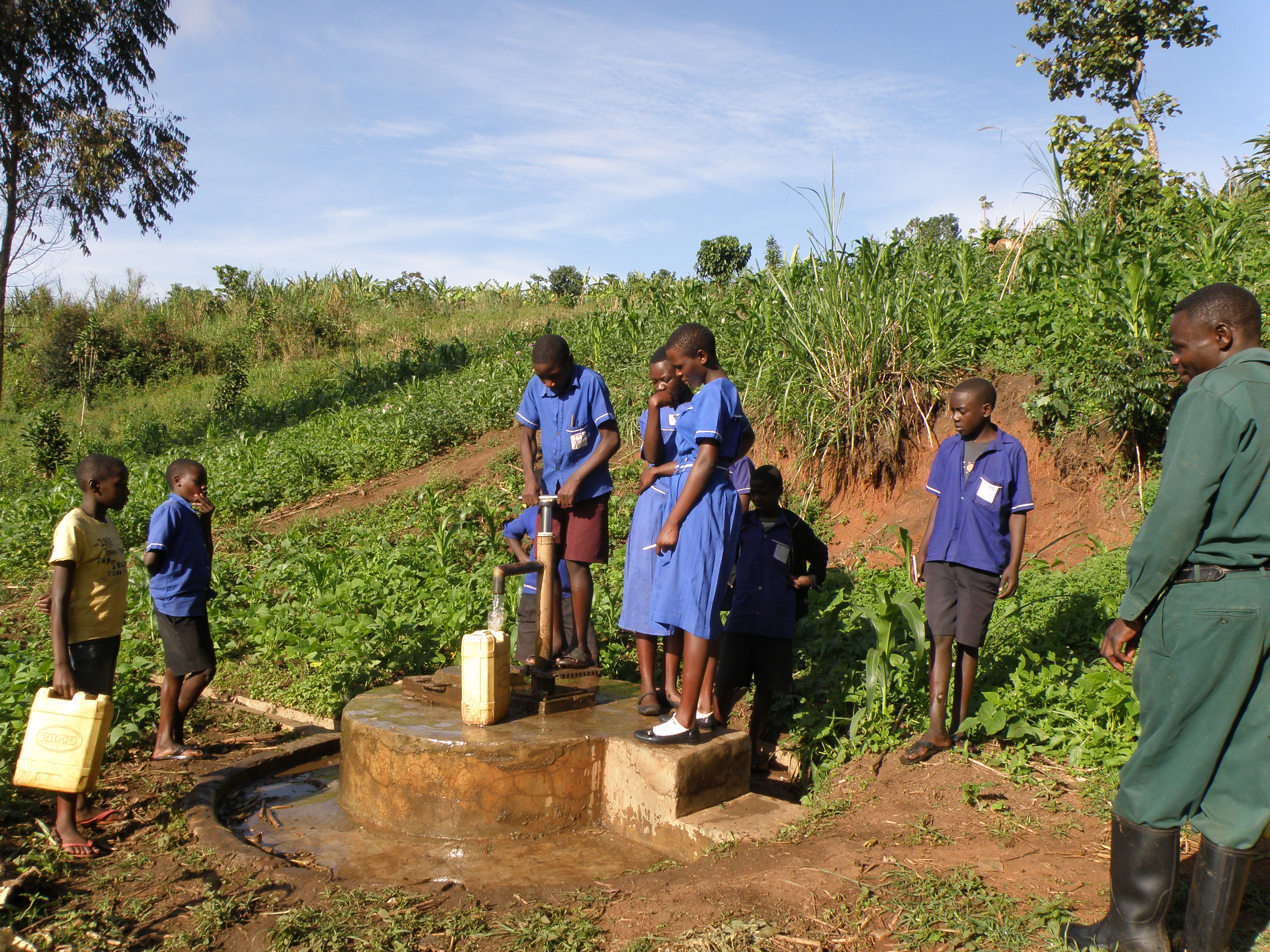
Now what does this have to do with little Rose? Well, in addition to helping other communities, CanAssist has helped to equip a health facility near her village and provided a motorbike for the community nurse to do outreach health education, treatment and immunization. Just last month CanAssist supporters provided money to repair a well in Ibura that will now provide clean water to the community and particularly to the elementary school close by.

And what became of Rose?

Rose in 2013. A survivor.

Rose in 2013. A survivor.

I have returned to this community five times since that initial visit and each time I don’t rest until I have found this child. Sometimes it has been a challenge but eventually with some help from other community children I locate her. In 2009, both her parents died of AIDS. This likely explained why she and her siblings always seemed so unkempt and neglected. She eventually has become under the care of grandparents – the frequent story that grandmothers are being left to care for their many grandchildren as the middle generation has been decimated by HIV/ AIDS.

Eventually, each time, I have found her. The most recent “visit” – which is only a few moments each time – was in September. She is now 11 years old and attending the school where CanAssist has just repaired the well.

Rose would likely be surprised to know how much that chance meeting on the road several years ago has influenced my life since then. I am glad to know that she now looks healthy, receives some care from the local clinic if necessary, attends school and now has access to clean water. But I am also happy to know that, through the gifts from CanAssist donors to her village, other children and adults benefit as well – our Canadian community helping a vulnerable community in Africa.

There are promising predictions that Africa will start to grow economically and eventually become self-sufficient and productive. In the last ten years as I have visited East Africa I have seen encouraging growth and improvements and been impressed by the capability of community leaders to work to solve problems. In the meantime, however, there are millions who still need some help to get to this first step on the ladder of wellness.

The CanAssist-refurbished wel in Ibura now supplies clean water to Rose' school.

The CanAssist-refurbished well in Ibura now supplies clean water to Rose’ school.

An opportunity for better nutrition …

In addition to providing desks and chairs and hospital equipment and classrooms in East Africa, the CanAssist African Relief Trust has also helped establish gardens like this one at the Kanyala Little Stars School in Mbita, Kenya.  The garden’s help to provide a steady source of nutritious food and a modest income-generating activity which helps other expenses.

CanAssist has most recently funded development of a garden like the Little Stars one for a patient support group a the Tom Mboya Hospital in Rusinga Island, Kenya.

Mama Benta of Kanyala Little Stars explains the benefits of this support to African families and groups.

Helping educate African children…

One of the mandates for the CanAssist African Relief Trust is to improve education opportunities for children in East Africa by providing infrastructure that will achieve this.

One of the schools funded by CanAssist is the Oltaraja Elementary School in a remote Maasai community in the Rift Valley, Kenya.   CanAssist has built one classroom there and in 2014 will build another.  Children who would otherwise have had to walk several kilometres to a school (or not go at all) will have the opportunity to get some Primary education closer to home.

Helping Women in Kenya

In the week leading up to Giving Tuesday, CanAssist is happy to show some examples of infrastructure support work done by the CanAssist African Relief Trust in East Africa in the past several months with some short YouTube videos.  Please share them with your Facebook friends.  And on Giving Tuesday, December 3 (or any time, for that matter) please keep the CanAssist African Relief Trust in mind. Your support keeps us moving ahead and helping communities in Africa.

Today we highlight work that CanAssist has done in Nyatike District to help women and girls in that community be safer and more productive.

donateNow2b1